
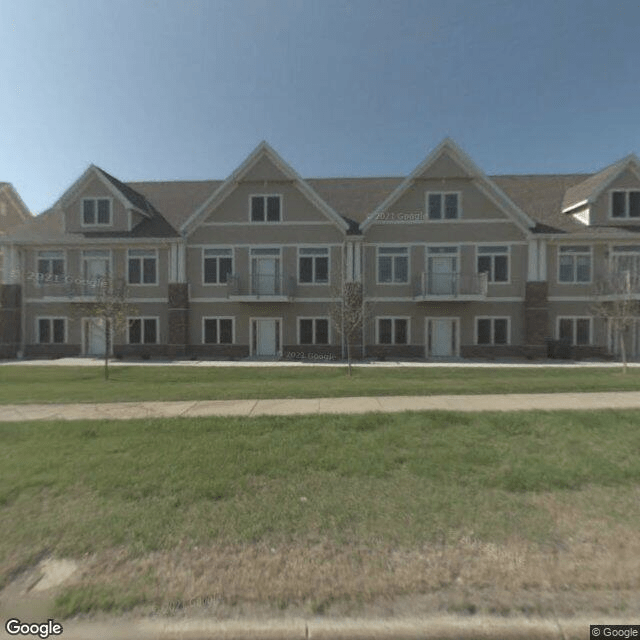
1705 Southcross Dr W, Apple Valley, MN 55306
To contact a resident: (651) 402-6300
For more information about senior living options: (866) 208-4318
Overall Review of Home Helpers - Apple Valley
Cons
 Their clients are unmonitored, leading to disruptive and intrusive visits to customers.
- Their clients have allegedly appeared at a nearby business across the highway, knocking on customers' cars and claiming to be employed by the business.
- The staff reportedly arrive about 30 minutes later, indicating chronic delays.
- The cold weather and residents not dressing appropriately add to the negative impression.
Review
Home Helpers - Apple Valley is best suited for families seeking practical, at-home support rather than a full-time residential setting. This agency serves seniors who can remain in their own homes or with family, needing consistent companionship, daily living assistance, and help coordinating errands or medications. It works well for households that want a caregiver-led approach with flexible scheduling and the ability to tailor visits to specific routines. The model favors those who prioritize staying connected to familiar surroundings and personal routines, while still receiving targeted help from trained aides.
The strongest positives emerge when the care plan is clear and the caregiver team is well matched to the client’s needs. When assignments align with a client’s daily rhythms, many families experience dependable one-on-one attention, responsiveness to evolving tasks, and relief from caregiving burdens. The ability to customize visit frequency, duration, and the types of support, ranging from activity engagement to basic in-home care, can translate into meaningful improvements in daily quality of life, reduced caregiver stress, and a smoother transition during health changes. These advantages hinge on consistent staffing, transparent communication, and proactive care management.
However, real-world risks from the reviews cannot be dismissed. A troubling account describes clients wandering away from the home environment and venturing into public spaces, triggering safety and liability concerns for both residents and neighboring businesses. Reports of delayed staff responses, roughly a half-hour wait, compound the risk, especially in cold weather when appropriate attire and protective measures matter. These instances point to gaps in supervision, outing management, and promptness of assistance. They also raise questions about the rigor of on-site monitoring, the clarity of care plans, and the escalation process if a situation requires immediate attention.
In assessing whether the pros can offset these cons, the critical factor is the program’s operational backbone. A well-structured agency will offset supervision gaps with robust caregiver training, clear supervision hierarchies, and strict adherence to wandering-prevention protocols. Strong leadership, routine check-ins by a supervising clinician, and a reliable on-call system can mitigate safety risks and improve responsiveness. When families see evidence of proactive risk assessments, well-documented care plans, and transparent incident reporting, the otherwise troubling signals become manageable rather than prohibitive. Absent those safeguards, the positives risk being outweighed by ongoing safety and reliability concerns.
For families weighing alternatives, consider whether a traditional assisted living setting or a larger, established in-home provider with documented safety records better fits the priority of predictable supervision. If 24/7 on-site oversight, protected common areas, and structured activity schedules are essential, a campus-style option may be more appropriate. If choosing in-home care, prioritize agencies with clear wandering policies, real-time caregiver communication, and strong reference checks. In all cases, request a detailed care plan, verify caregiver qualifications, and insist on a robust incident-tracking process before committing.
To move forward confidently, demand concrete assurances: a written care plan with specific routines and safety measures, a defined supervision structure including who is responsible for monitoring and how quickly responses occur, and references that speak to incident handling and consistency of staffing. Arrange a trial period to observe daily operations, ask for caregiver introductions prior to start, and review policies on weather-related safety and outdoor outings. If these assurances fail to materialize, it is prudent to explore alternatives that deliver stronger safeguards, even if that means adjusting expectations around cost or location. The right choice will balance compassionate, personalized care with uncompromising safety and dependable reliability.
 Minneapolis-St Paul International (11 miles away)
 Anytime dining
 Homelike setting with 24/7 care and comprehensive amenities



 Home Health Care Demystified: A Comprehensive Guide for Families and Caregivers
 Seniors and Modern Transportation: Exploring Uber, Lyft, and Other Ride-Hailing Options
 Comprehensive Guide to Qualifying for Home Health Care Services