
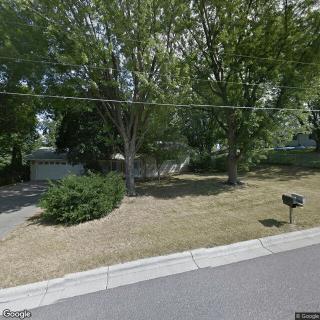
13220 Humboldt Avenue South, Burnsville, MN 55337
For more information about senior living options: (866) 208-4318
Overall Review of 2 Caring Hands I
Pros
 The family was very thankful that their loved one was at Two Caring Hands in Lakeville, MN.
- Everyone was very nice.
- They made it a home setting.
- They treated loved ones like family.
- Three showers per week were provided as requested.
- All requests were met.
Cons
 The staff are mostly relatives or do not speak enough English to have conversations.
- The house frequently ran out of food.
- A resident pulled a knife on an employee and started a small fire, and that resident remains in care at a different house.
- An employee injured the mother by attempting a lift alone, breaking her wheelchair and a shelf of dolls.
- The night staff were overheard yelling at and demeaning a resident.
- The RN did not acknowledge the mother's pain, and she ended up in the hospital with sepsis.
- A morbidly obese resident required a hoyer lift with only one staff, leading to several falls and a cover-up by the owners.
- A resident died after receiving the wrong medication.
Review
Two Caring Hands I is best suited for families seeking a small, home-like assisted-living option in Burnsville where a loved one can receive daily living support in a tightly run, intimate setting. It may feel attractive to those who prioritize a cozy, family-style atmosphere and closer, more direct contact with the people running the home. Yet this is a facility that carries a high bar for clinical oversight, consistency, and safety, and it is not a fit for residents who require steady medical supervision, rigorous staff training, and transparent, timely communication with administration.
Families should consider alternatives if the priority is robust clinical care, predictable staffing, and strong governance. Any resident with complex medical needs, regular medication management, or a history suggesting risk of neglect should look elsewhere. Language accessibility and reliable responsiveness are also nonnegotiables for many families, and this home’s communications have been described as irregular and difficult to reach. In short, for a medically fragile senior or one who requires dependable nighttime staffing and immediate escalation to professionals, more established licensed facilities are a safer, more accountable choice.
On the plus side, some reviewers note a home-like atmosphere and a willingness to accommodate reasonable requests, such as personal scheduling or routine adjustments. A sense of “being cared for” in a small setting can be meaningful for families seeking intimate daily contact and a family-style dynamic. However, these perceived strengths are overwhelmed by consistent, serious concerns brought up by multiple reviewers: chronic understaffing and insufficient clinical supervision, language barriers that impede clear care planning, and reports of injuries and improper medication practices. In a review landscape this stark, the warmth of a private home does not compensate for the core risks.
The most troubling red flags center on safety, care quality, and governance. Incidents described include management-controlled responses to dangerous events, a resident threatening staff, a small fire, and hospitalizations after infections or potential neglect. Allegations of overmedication, delayed or inappropriate care, and a pattern of poor communication with families recur across reviews. Staff turnover, limited real-time access to a licensed clinician, and stories of delays in obtaining medical records point to a fragile care framework. Night staffing concerns, allegations that staff sleep on site or are indisposed during overnight hours, further compound safety worries for anyone weighing this option.
With these factors in view, the decision framework becomes clear. If choosing to pursue this community, insist on measurable safeguards: a defined, on-site supervisor with authority, a predictable RN or licensed clinician schedule, transparent medication administration policies, and access to full medical records and incident reports. Validate staffing ratios with a current, licensed administrator and request a guided, in-person audit of the premises and care routines. Ask for written emergency protocols, escalation pathways, and a clear plan for transfers to hospital care if needed. If these assurances cannot be obtained, or if the tone of communication remains delayed or opaque, that signals a misalignment with safety and reliability priorities.
Ultimately, Two Caring Hands I should not be the default choice for families prioritizing safety, accountability, and consistent clinical oversight. It may still be appropriate for a resident with very limited medical needs who values a quiet, home-like environment and where families can actively participate in daily care decisions with transparent, responsive supervision. For anyone with complex health requirements, a history of hospitalizations, or strong concerns about neglect or medication risk, exploration of larger, licensed assisted-living communities or skilled-nursing alternative options is strongly advised. The goal remains clear: secure a setting where care quality, safety, and clear communication are non-negotiable, not contingent on intimate familiarity or informal arrangements.
 6 resident community capacity
 Assisted Living
 Cable or satellite TV
 Dining room
 Fully furnished
 Garden
 Housekeeping services
 Move-in coordination
 Outdoor space
 Telephone
 Wi-Fi/high-speed internet available
 Minneapolis-St Paul International (9 miles away)
 24-hour supervision
 Activities of daily living assistance
 Assistance with bathing
 Assistance with dressing
 Assistance with transfers
 Diabetes diet
 Meal preparation and service
 Medication management
 Special dietary restrictions
 Transportation arrangement (medical)
 Transportation to doctors appointments




 Comprehensive Supportive Living Arrangements for Adults with Disabilities
 Funding and Affording Assisted Living: A Thorough Overview
 Assisted Living Expenses and Long-Term Care Insurance: A Comprehensive Exploration