For more information about senior living options: (866) 208-4318
2.3 from 65 reviews
5 stars
19
4 stars
2
3 stars
0
2 stars
3
1 stars
41
Overall Review of St Francis Home
common15 reviews mention this
Staff are often described as caring
Many residents describe nurses and clinicians as polite, respectful, and patient.
Across multiple visits mentioned in the reviews, residents and families highlight nurses and doctors who were kind, patient, and respectful, including for higher-acuity situations. Some reviews also point to particular staff members being thoughtful and comforting. A few comments add that the staff felt responsive to anxiety during care.
caveat2 reviews mention this
Nursing home care can fall short
Some residents report problems with nursing home care standards.
At least a couple of reviews describe nursing home experiences that did not meet expectations, including staff being described as rude and not being around when help was needed. Another review specifically warns about errors in home nursing tasks related to pill management, even after repeated time to correct issues.
caveat7 reviews mention this
Delays and follow-up gaps appear
Some reviews describe long waits or missed follow-through during care.
Several reviews mention situations where patients waited a long time for attention, discharge-related steps, or medications. Others describe gaps like not getting lab follow-up after sending a swab or not receiving expected medications after admission. A few accounts also describe being sent home or treated without the level of attention they expected for their symptoms.
caveat4 reviews mention this
Pricing concerns show up repeatedly
Some residents criticize billing and out-of-pocket costs.
A recurring concern in the reviews is cost, including bills described as far higher than expected for short stays or specific services. Some reviewers also describe issues with charges and reimbursements, including overcharging and delays in getting money back. Several families frame the expense as a reason to seek care elsewhere.
How we summarize
Counts show how many written reviews mention each theme; a review can touch several themes, and only frequently mentioned themes are displayed.
Features
Housing
80 resident community capacity
Types of Care
Assisted Living
Skilled Nursing Facility
Amenities
Activities on-site
Air-conditioning
Beauty salon
Cable or satellite TV
Computer center
Devotional services off-site
Dining room
Fitness room
Fully furnished
Gaming room
Garden
Housekeeping services
Indoor common areas
Kitchenette
Move-in coordination
Outdoor space
Private bathrooms
Restaurant-style dining
Small library
Telephone
Wellness center
Wi-Fi/high-speed internet available
Transportation
Community operated transportation
Transportation arrangement
Transportation arrangement (non-medical)
Transportation to doctors appointments
Care Services
12-16 hour nursing
24-hour call system
24-hour supervision
Activities of daily living assistance
Ambulatory care
Assistance with bathing
Assistance with dressing
Assistance with transfers
Diabetes diet
Diabetic care
Meal preparation and service
Medication management
Mental wellness program
Special dietary restrictions
Dining
Diabetes diet
Meals provided
Special dietary restrictions
Activities
Activities on-site
Community-sponsored activities
Concierge services
Devotional activities offsite
Fitness programs
Planned day trips
Resident-run activities
Scheduled daily activities
Nearby Places of Interest
Located in Breckenridge, Minnesota, this area offers a variety of amenities and services that cater to the needs of seniors. Within close proximity, you will find healthcare facilities such as CHI St. Francis Health Orthopedic & Spine Clinic and Home Health Care Of Saint Francis Medical Center, as well as pharmacies like Snyder Drug and Thrifty White Pharmacy. Places of worship like Inspiration Lutheran Brethren Church and United Methodist Church provide spiritual support, while cafes such as Hills 210 Cafe and Subs offer a cozy spot for socializing. For recreation, parks like Chahinkapa Park and Jefferson Park are ideal for leisurely strolls. Transportation options are also convenient with Twin Town Taxi and U-Haul available nearby. Overall, this area provides a tranquil setting with essential services for seniors looking to retire in a welcoming community.
Physicians
CHI St. Francis Health - Orthopedic & Spine Clinic (0 miles)
CHI St. Francis Health Primary Care & Walk-in Clinic (0 miles)
Sanford Clinic (2 miles)
Sanford Health Wahpeton Eye Center & Optical (2 miles)
Carissa Guler, OD - Wahpeton Eye Doctor (2.1 miles)
Sheyenne Hearing Service (2.2 miles)
Innovis Health (2.4 miles)
Places of Worship
Inspiration Lutheran Brethren Church (0.5 miles)
Grace Lutheran Church (0.6 miles)
United Methodist Church (0.9 miles)
Calvary Apostolic Church (1 miles)
Wahpeton United Pentecostal Church (1 miles)
Allen L Church (1.3 miles)
Wahpeton Seventh-Day Adventist Church (1.4 miles)
Transportation
Red River (0.9 miles)
Red River Valley & Western (1.9 miles)
Twin Town Taxi (2 miles)
Red River Valley & Western Railroad Section (2.2 miles)
U-Haul (2.4 miles)
Fergus Falls Airport (20.9 miles)
Canadian Pacific Railway (21.1 miles)
Cafes
Hills 210 Cafe and Subs (1.2 miles)
Antoinette's On The River (2 miles)
Dakota Coffee Co. (2.2 miles)
Caribou Coffee (2.5 miles)
Pam's Cafe (19.6 miles)
Hot Cakes Cafe & Lodging (21.8 miles)
Hospitals
Home Health Care Of Saint Francis Medical Center (1.4 miles)
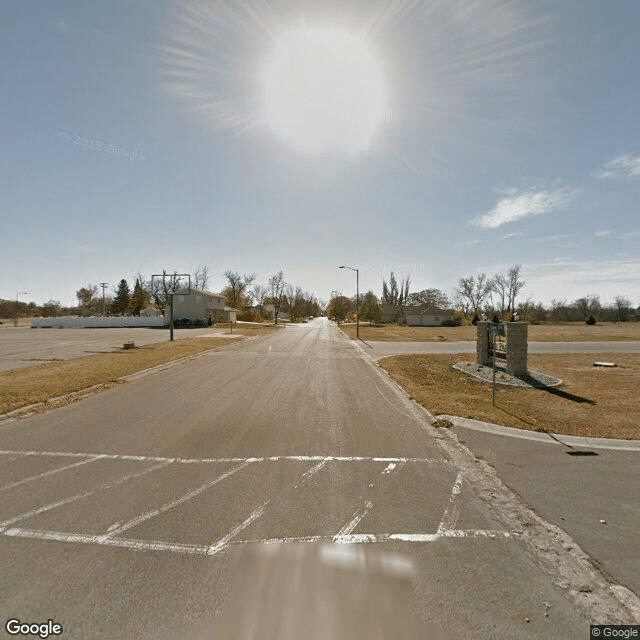
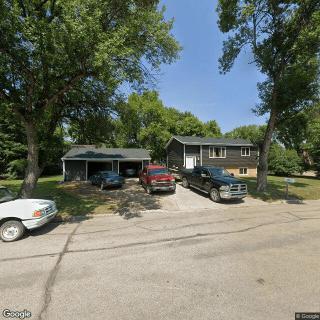
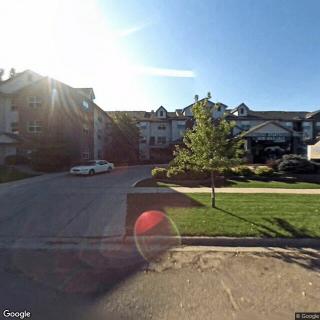
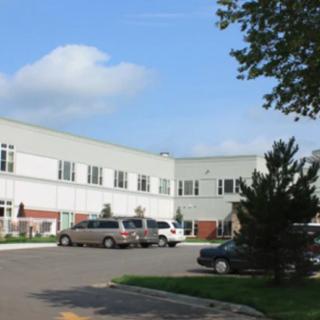
St Francis Home is located at 2400 Street Francis Drive, Breckenridge, MN 56520 in Wilkin County, Minnesota
Nearby Communities
Twin Town Villa
Breckenridge, MN
4.5 from 19 reviews
Personalized care (including diabetic care) with easy access to nearby amenities.
Chi Health At Home I
Breckenridge, MN
2.6 from 5 reviews
24/7 supervision with personalized care, dietary accommodations, and on-site dining plus social activities.
Pioneercare Memory Cottage
Breckenridge, MN
5 from 1 review
Specialized memory care programming with 24-hour supervision and comprehensive support.
St Catherines Living Center
Wahpeton, ND
Comprehensive on-site amenities (salon, dining, fitness, library) with 24/7 care.
Siena Court
Wahpeton, ND
3.5 from 2 reviews
Fully furnished apartments with meals, activities, and 24/7 supervision.
Leach Home
Wahpeton, ND
4.6 from 10 reviews
Comprehensive assisted living with diabetic care and on-site activities, plus convenient access to nearby healthcare, parks, worship places, and dining options.
Rainbow Court & Southside Apts
Wahpeton, ND
1.8 from 4 reviews
Independent/assisted living with diabetic care and meals provided.
The Mill Street Residence
Fergus Falls, MN
4.4 from 7 reviews
Multilevel care (AL, memory care, SNF) with extensive on-site amenities and activities.
Pioneer Home
Fergus Falls, MN
3.1 from 19 reviews
Compassionate staff that treats residents like family and provides meaningful spiritual support.
Vibrant Senior Living emphasizes active senior living communities that promote independence and engagement through diverse amenities and activities, fostering wellness and social interaction among older adults. These communities range from independent to assisted living, with a focus on personal growth, family involvement, financial planning, and leveraging technology to enhance residents' experiences.
Transitioning from assisted living to memory care is driven by an individual's cognitive decline and specific needs, requiring careful evaluation of indicators like increased confusion and wandering. The process involves consulting medical professionals, researching suitable communities, considering financial and legal aspects, and ensuring effective communication for personalized care plans.
Assisted living provides moderate support for seniors seeking independence, while memory care offers specialized support for individuals with dementia or cognitive impairments through structured routines and trained staff. Key differences include care approaches, environment security measures, staff training levels, activity types, and cost considerations.
Get PricingAsk A QuestionSchedule A TourContact Senior Advisor
By clicking submit, you agree to our Partner's Terms of Use. You
also consent to receive calls and texts, which may be autodialed, from our Partner. Your consent is not a condition to
using our Partner's service. Please visit our Partner's Privacy Policy for information about their privacy practices.

 80 resident community capacity
 Assisted Living
 Skilled Nursing Facility
 Activities on-site
 Air-conditioning
 Beauty salon
 Cable or satellite TV
 Computer center
 Devotional services off-site
 Dining room
 Fitness room
 Fully furnished
 Gaming room
 Garden
 Housekeeping services
 Indoor common areas
 Kitchenette
 Move-in coordination
 Outdoor space
 Private bathrooms
 Restaurant-style dining
 Small library
 Telephone
 Wellness center
 Wi-Fi/high-speed internet available
 Community operated transportation
 12-16 hour nursing
 24-hour call system
 Ambulatory care
 Assistance with bathing
 Assistance with dressing
 Assistance with transfers
 Diabetes diet
 Diabetic care
 Medication management
 Mental wellness program
 Special dietary restrictions
 Concierge services
 Planned day trips
 Personalized care (including diabetic care) with easy access to nearby amenities.

 Vibrant Senior Living: A Comprehensive Guide for Active Older Adults
 When to Transition from Assisted Living to Memory Care: Key Indicators, Steps, and Finding the Right Community
 Assisted Living and Memory Care: Understanding Their Core Differences