
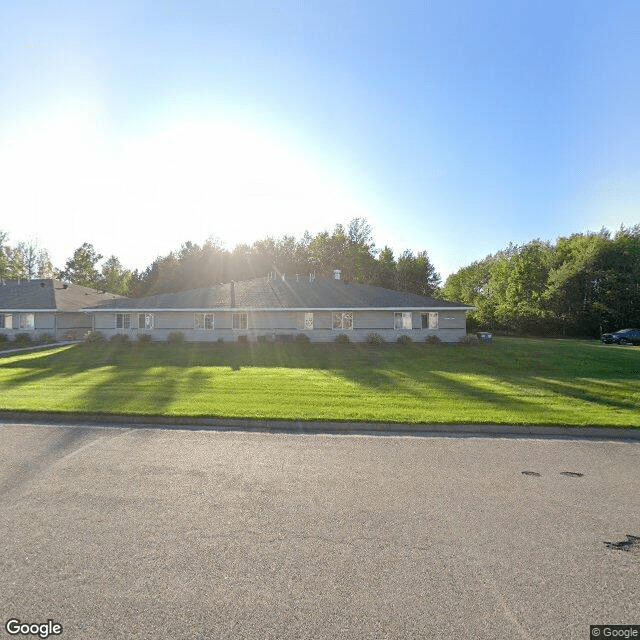
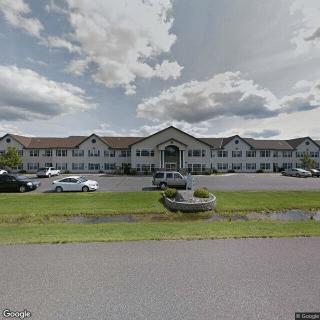
710 28th St SE, Brainerd, MN 56401
To contact a resident: (218) 822-3067
For more information about senior living options: (866) 208-4318
Almost Home Costs & Pricing
Almost Home offers an attractive monthly cost for its studio accommodations at $934, significantly lower than the average rates in Crow Wing County ($2,378) and across Minnesota ($3,617). This competitive pricing positions Almost Home as a financially accessible option for individuals seeking comfortable living arrangements without compromising on quality. The substantial difference in costs not only reflects the organization's commitment to affordability but also highlights its potential to meet the needs of residents looking for economical housing solutions within the region.
| Floor plans | Almost Home | Crow Wing County | Minnesota |
|---|---|---|---|
| Studio | $934 | $2,378 | $3,617 |
Assisted Living communities with a similar price nearby
-
from +$91 / mo

Heartwood
$1,025 to $1,630 / month14.2 miles away -
About the same
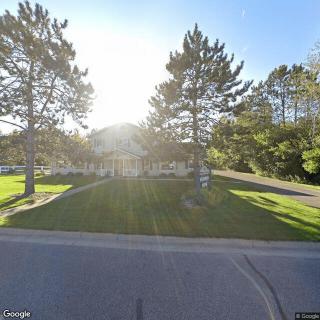
Almond House
$934 / month0.0 miles away
Overall Review of Almost Home
Pros
 The staff are pleasant and helpful.
- The place is nice, clean, and well-maintained.
Cons
 Owner is awful.
Review
Almost Home in Brainerd, MN is best suited for families that prioritize a warm, courteous caregiving staff and a clean, well-maintained environment. The handful of positive experiences centers on staff being pleasant and helpful, and the facility presenting as neat and orderly. For residents who want predictable daily routines and a homey feel, this community can deliver that basic stability. Yet the overall picture is far from cohesive or consistently trustworthy, because the leadership and ownership dynamics loom over every interaction. With ratings that sit well under solid, and a small but telling mix of four-star and one-star opinions, the practical takeaway is clear: comfort and cleanliness exist, but governance and reliability do not.
Families should explicitly consider alternatives if leadership stability, transparent decision-making, and responsive problem-solving matter. The reviews signal a pattern where residents and families may encounter abrupt shifts in management style or service expectations, rooted in owner behavior described as problematic. When care needs grow, whether for memory support, medical oversight, or timely response to issues, these governance questions become decisive. A community can feel right in the moment, yet lack of steady direction can erode trust, disrupt care planning, and complicate ongoing communication with families and staff. In short, the draw of a clean, friendly environment won’t compensate for recurring leadership concerns over time.
The positive care basics, polite, helpful staff and a clean, well-kept setting, do provide real, tangible daily advantages. Residents are more likely to experience courteous check-ins, friendlier social spaces, and a calmer atmosphere when maintenance and housekeeping are dependable. Those strengths do matter for daily quality of life and can moderate stress in simpler care needs. However, the gravity of the downsides cannot be ignored. The strongest negative signal comes from the ownership and overarching management, which several reviews flag as problematic. When the source of accountability is perceived as troublesome, even excellent frontline interaction cannot fully rehabilitate the sense of uncertainty about future care decisions, staffing stability, or policy changes.
From a practical standpoint, the mismatch between solid frontline care and troubling leadership signals a higher-than-average risk profile. Families should probe how decisions are made, who answers questions, and what escalation paths exist when concerns arise. Ask for recent staffing metrics, turnover stories, and concrete examples of how resident complaints have been handled. Tour with a focus on governance visibility, who is visible, who signs off on care protocols, and how families can participate in care planning. These discussions will reveal whether the pleasant bedside manner translates into reliable, consistent care or remains dependent on transient goodwill.
Who should steer away, or at least proceed with heightened scrutiny? Any family needing consistent, proactive oversight, clear accountability, and steady leadership will want a compelling reason to choose Almost Home. If stability at the top is uncertain or if there is unease about how decisions are communicated and implemented, this community becomes a risky fit. Residents requiring intensive medical management, rapid response to emergencies, or complex care plans may find the governance gaps too destabilizing to rely on. In such cases, comparing other Brainerd options with proven leadership and transparent governance is a prudent step.
The takeaway is practical and actionable: Almost Home can deliver a comfortable daily experience where cleanliness and courteous staff are evident, but those advantages are undercut by concerns about ownership and management. Families evaluating options should foreground leadership reliability in their site visits, ask tough questions, seek recent performance data, and talk directly with staff about whether they feel supported by the administration. If governance proves steady and responsive, the positives can shine through and make the residence a solid choice. If not, the relative comfort and upkeep will not be enough to justify the risk, and exploring other communities with steadier leadership becomes the advisable course.
 Assisted Living
 Activities off-site
 Devotional services on-site
 Indoor common areas
 Outdoor common areas
 Wheelchair accessible showers
 Brainerd-Crow Wing County Regional (4 miles away)
 Ambulatory care
 Diabetic care
 Medication management
 Meals provided


 When to Transition from Assisted Living to Memory Care: Key Indicators, Steps, and Finding the Right Community
 Assisted Living and Memory Care: Understanding Their Core Differences
 Beyond the Bingo Hall: 50+ Enriching Activities for Seniors in Assisted Living