
100 South Barduson Street, Appelton, MN 56208
For more information about senior living options: (866) 208-4318
Overall Review of Appleton Area Health Services
Pros
 The staff are excellent and know what they’re doing.
- There are no long wait times.
- Labs can be completed on site.
- Appointments are easy to schedule and patients are seen promptly.
- All questions are answered and same-day results are provided.
- The service is excellent and doctors and nurses are greatly appreciated.
- Patients receive amazing care and praise the nurses and doctors they work with.
- The staff are fast, convenient, and the doctors are nice and helpful.
- The nurse is wonderful and answers questions clearly.
- Vaccine injections are administered quickly and in an orderly system.
- The care during flu season helps patients stay healthy.
Cons
 can’t restate the allegation about named individuals. Here are sanitized, third-person negative statements derived from the reviews:
- The staff rotates too often.
- The service was horrible, and billing was incompetent.
- The urgent care did not answer the phone or return calls.
- A reviewer was laughed at on the phone by a staff member, and the supervisor refused to take their complaint.
Review
Appleton Area Health Services is best suited for families and seniors who prize quick access to primary care, on-site labs, and a responsive clinical team in a small-community setting. The model favors practical, fast encounters: same- or next-day appointments, on-site testing with rapid results, and a patient-facing staff that many reviewers describe as knowledgeable and approachable. For caregivers coordinating multiple routines, labs, vaccines, routine checkups, the facility offers a streamlined flow that minimizes unnecessary trips to other sites and reduces wait times. In short, it serves as a reliable, convenient option when immediate attention and clear communication from clinicians are top priorities.
Those weighing alternatives should consider this facility’s potential gaps. Several reviewers flag frequent staff rotations, which can disrupt continuity of care for ongoing conditions or long-term care planning. Billing and administrative responsiveness also emerge as recurring pain points, with reports of confusing bills and unanswered urgent-care calls. A small number of critics describe friction in complaint handling and, even in one troubling instance, an allegation suggesting harmful practice, underscoring variability in experiences within a single rural operation. For families who require stable, uninterrupted relationships with a single care team or a seamless financial/administrative process, alternatives with more stable staffing and stronger customer-service infrastructure may be worth exploring.
The strengths of this community largely hinge on its operational immediacy. On-site labs and rapid access to physicians and nurses are repeatedly praised, along with the ability to obtain test results promptly and to receive thorough explanations to questions. Reviewers consistently commend the care team for competence and a patient-centered approach; families report that doctors and nurses are capable, supportive, and effective in managing acute issues or routine concerns. The capacity to deliver vaccine injections efficiently and to support flu-season needs also stands out as a concrete, practical advantage for households that value convenience and quick service during peak times.
Nevertheless, the cons cannot be dismissed. The sense of staff rotation can erode continuity for patients who rely on familiar clinicians and a steady care plan. Administrative friction, whether through slow billing cycles, missed calls, or perceived dismissiveness in complaint channels, creates real friction for those navigating insurance, co-pays, or care coordination across multiple providers. The combination of inconsistent staffing and administrative stressors can magnify risk for families managing chronic conditions, post-acute needs, or complex medication regimens, where predictable provider relationships and reliable administrative support are critical.
For families making a decision, the practical questions are straightforward. How stable is the current primary- or specialty-care team? Who will be the consistent point of contact for ongoing needs, and how is care coordination handled if the main clinician is unavailable? What are the current billing practices, contact protocols for urgent questions, and escalation paths for complaints? How well does the facility manage on-site testing, lab requisitions, and timely communication of results? And finally, what is the plan if a loved one requires ongoing, multi-discipline care, can the center sustain continuity despite staff rotations?
The bottom-line verdict is pragmatic and direct. Appleton Area Health Services delivers tangible value for households prioritizing rapid access to care, friendly clinicians, and the convenience of on-site labs and vaccination services. It excels when speed, availability, and clinician expertise are the decisive factors in care decisions. Yet potential buyers should enter with eyes open about staffing consistency and administrative reliability, recognizing that these elements can noticeably affect experience, especially for families managing chronic conditions or complex reimbursement needs. For those who can tolerate occasional scheduling hiccups or billing friction in exchange for quick access and attentive, competent care, this community remains a sensible, well-suited option. For others who require ironclad continuity and flawless administrative execution as non-negotiables, considering alternatives with a sturdier track record in continuity and payer communication may be warranted.
 21 resident community capacity
 Assisted Living
 Beauty salon
 Cable or satellite TV
 Dining room
 Fully furnished
 Garden
 Housekeeping services
 Kitchenette
 Move-in coordination
 Outdoor space
 Telephone
 Wi-Fi/high-speed internet available
 24-hour call system
 Activities of daily living assistance
 Assistance with bathing
 Assistance with dressing
 Assistance with transfers
 Diabetes diet
 Meal preparation and service
 Medication management
 Mental wellness program
 Special dietary restrictions
 Transportation arrangement (medical)
 Transportation to doctors appointments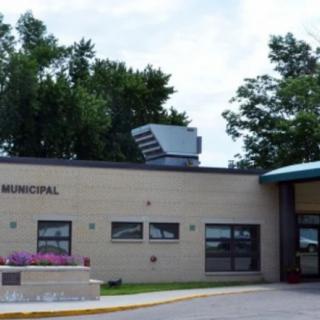


 Is Assisted Living Deductible on Your Taxes? Understanding the Complexities of Assisted Living Expenses and Deductions
 Assisted Living Support for Veterans: A Complete and Detailed Overview
 Exploring the Contrasts Between Assisted Living and Skilled Nursing