
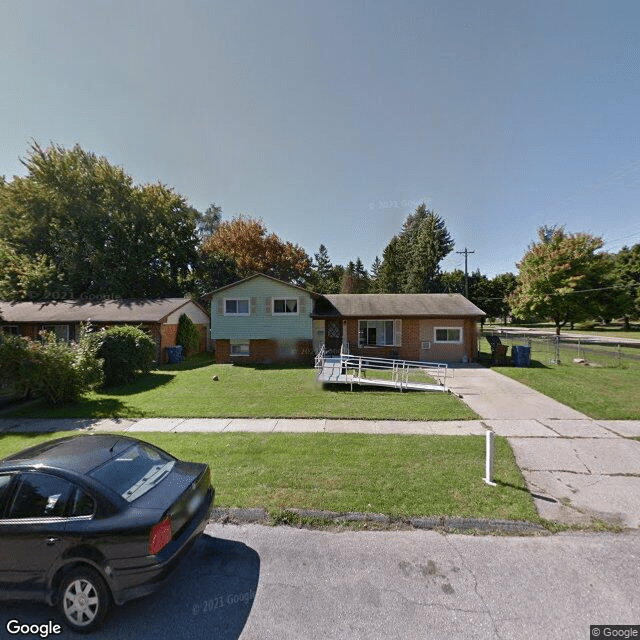
8602 Heather Drive, Ypsilanti, MI 48198
For more information about senior living options: (866) 208-4318
Hopes Living Services Costs & Pricing
Hopes Living Services offers competitive pricing for its housing options, particularly in comparison to Washtenaw County and the broader state of Michigan. For a one-bedroom unit, Hopes Living Services charges $2,800 per month, which is significantly lower than both the county average of $3,868 and the state average of $3,384. Similarly, their private room option is also priced at $2,800, undercutting the county's average of $3,385 and the state's typical rate of $3,675. This pricing strategy not only enhances accessibility for residents but also reflects Hopes Living Services' commitment to providing quality living arrangements without imposing excessive financial burdens.
| Floor plans | Hopes Living Services | Washtenaw County | Michigan |
|---|---|---|---|
| 1 Bedroom | $2,800 | $3,868 | $3,384 |
| Private | $2,800 | $3,385 | $3,674 |
Memory care communities with a similar price nearby
-
from +$200 / mo

Hutcheson Manor
$3,000 to $4,500 / month18.3 miles away -
from +$400 / mo
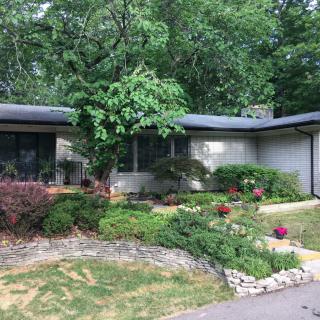
Vicky's Place
$3,200 to $6,000 / month21.9 miles away -
from +$200 / mo

Fostered Hearts
$3,000 / month12.2 miles away -
from -$525 / mo
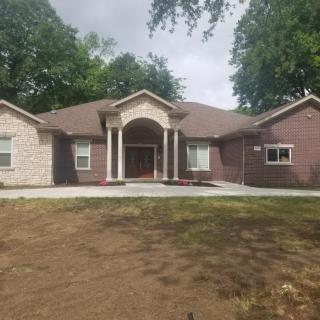
Pleasant Valley Family Care
$2,275 to $7,000 / month20.9 miles away -
from +$200 / mo

Peaceful Manor
$3,000 to $4,000 / month18.6 miles away
Overall Review of Hopes Living Services
Pros
 The caregivers provide great service.
- The meals are healthy and the rooms are clean.
- The environment feels like a family setting.
- The resident remains independent with help available as needed.
- It is conveniently located on a bus route.
Cons
 It took 3-4 months for the senior and caregivers to learn each other, indicating a lengthy onboarding process.
- The extended learning period between the senior and caregivers suggests coordination challenges at the start.
Review
Hopes Living Services in Ypsilanti is best suited for active seniors who value a small, family-like home atmosphere where daily living feels collaborative rather than clinical. The community supports independence with a safety net, thanks to caregivers who know residents well, wholesome meals, clean and comfortable rooms, and the convenience of a bus route for local outings or appointments. This setup appeals to someone who wants to remain connected to people who treat care as a shared, everyday practice rather than a sterile, institution-like experience.
Families weighing alternatives should consider options if a loved one needs constant, high-level medical supervision, a formal memory-care program, or a larger campus with more extensive programming. Those who prize a very private, highly structured environment or require 24/7 intensive nursing support may find a different model sharper and more predictable. Additionally, seniors who thrive on rigid routines or who would benefit from denser social calendars might prefer a setting with broader activities and specialized staff trained for more complex conditions.
On balance, the standout positives center on relationship-driven care and everyday quality of life. A resident who has lived there since 2014 notes that the service and caregivers are excellent and that meals are healthy while rooms stay clean. The family-like vibe matters: the staff isn’t just performing tasks, they’re building trust and familiarity, which translates into easier communication about preferences and needs. The resident’s independence is respected, with help available as needed, so the day-to-day experience remains dignified rather than dependent. The bus route adds practical freedom, enabling trips to appointments, shopping, or social outings without always relying on family members.
The most tangible hurdle appears in the onboarding arc. Learning to synchronize routines and expectations between senior and caregivers reportedly takes several months, roughly three to four, before a smooth, predictable rhythm takes hold. That initiation period can feel lengthy for families seeking rapid stabilization, but it fundamentally seeds a durable, personalized care dynamic. Once the mutual understanding is established, the advantages, consistency, responsive caregiving, and the homey atmosphere, are not ancillary; they become the core value proposition that sustains comfort and security over time.
In practical terms, the pros materially offset the onboarding challenge for most residents, especially those who prize a warm, familial setting over a clinical feel. The combination of attentive care teams, nutritious meals, a clean living space, and a welcoming, low-key social environment reduces stress for both seniors and their families. The transportation option broadens autonomy, supporting self-directed activity without frequent family disruption. Where other communities may offer splashier programming or deeper medical amenities, Hopes Living Services delivers steadiness, trust, and a sense of belonging, trade-offs families should weigh against the need for speed in getting settled.
The verdict is clear: this community is a strong match for older adults who want to remain independent in a supportive, home-like environment and who can tolerate a staged onboarding process to cultivate durable, person-centered care. It is less suitable for those requiring intensive medical oversight, advanced memory-care services, or a highly structured, professionally formal setting. Prospective families should reserve time to meet the team, ask about the current pace of onboarding, and gauge how well the caregiver-resident rapport feels during initial visits. If a patient, gradual transition paired with reliable, affectionate care is the priority, Hopes Living Services offers a compelling path forward.
 6 resident community capacity
 Assisted Living
 Board and Care Home
 Memory Care
 Activities off-site
 Cable or satellite TV
 Devotional services off-site
 Dining room
 Fully furnished
 Garden
 Housekeeping services
 Indoor common areas
 Move-in coordination
 Outdoor common areas
 Private
 Private bathrooms
 Telephone
 Wi-Fi/high-speed internet available
 Detroit Metropolitan-Wayne County (13 miles away)
 24-hour supervision
 Ambulatory care
 Assistance with bathing
 Assistance with dressing
 Assistance with transfers
 Diabetes diet
 Diabetic care
 High acuity care
 Incontinence care
 Meal preparation and service
 Medication management
 Special dietary restrictions
 Transportation arrangement (medical)
 Transportation to doctors appointments





 Engaging Memory Care Activities That Enhance Quality of Life
 When to Transition from Assisted Living to Memory Care: Key Indicators, Steps, and Finding the Right Community
 Understanding the Distinctions: Assisted Living and Memory Care Explained