
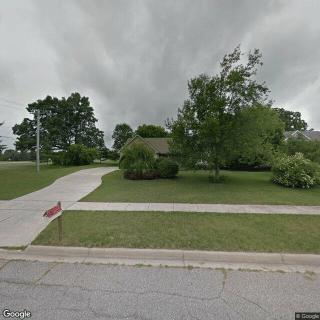
7160 Textile, Ypsilanti, MI 48197
For more information about senior living options: (866) 208-4318
Overall Review of Birchwood
Pros
 The center is described as the best rehabilitation center.
- A former client credits Rainbow with helping them regain independence, now able to live on their own, walk to the grocery store, and speak clearly.
- The facility is excellent, with clients treated well and staff who are considerate and provide reasonable care.
- The reviewer notes that after attending, they can do everything for themselves, a major improvement from before.
Review
Birchwood in Ypsilanti, MI, is best suited for adults pursuing a focused rehabilitation pathway with the goal of returning to independent living after a serious injury or health event. The strongest signal from the available feedback is a trajectory of real, durable functional gains: people who arrive with significant limitations leave with tangible mobility and communication improvements that enable everyday autonomy, such as walking to the store and speaking clearly again. This is not generic rehab hype; it is a performance profile built on verifiable, real-world outcomes. For families seeking a program that translates rehab into independent life skills, Birchwood presents a compelling match.
Those who should consider alternatives are residents whose needs go beyond rehabilitation toward long-term custodial care, memory-support environments, or ongoing medical supervision. The feedback centers on an acute rehab approach with impressive short- to mid-term results, but there is little detail about long-term housing arrangements, chronic care management, or services tailored to advanced cognitive impairment. Budget and payer considerations also loom large in housing decisions, and families would be wise to compare Birchwood’s post-discharge supports and potential pathways to sustained care with other communities that emphasize lifelong custodial options or specialized memory care.
The strongest pros are clear and credible: clients are treated well and receive reasonable, considerate care, and the rehab process produces meaningful, milestone-level improvements. The narratives describe a culture that rewards progress and safety, with staff who guide, encourage, and celebrate each step toward independence. The end results, relearned walking, restored speech, and regained self-sufficiency, translate into practical life gains: the ability to handle daily tasks, re-engage socially, and manage errands without constant assistance. This combination of humane treatment and concrete outcomes creates a powerful incentive for families focused on recovery with measurable impact.
The main cons are less about care quality and more about scope and transparency. The data pool is small, three reviews, creating a limited view of consistency across residents and rehab paths. Important details about treatment modalities, typical program length, and how discharge planning is handled are not spelled out, leaving questions about what happens after the initial rehab window. Costs, insurance coordination, and long-term care implications are not addressed in the available feedback, which means families should seek explicit clarification before making commitments. In short, Birchwood’s strengths are clear, but the full financial and long-term care picture requires direct confirmation.
Yet the solid positives do offset many of these uncertainties for the right candidate. When a rehab program can deliver concrete gains in mobility and communication, the return to independence has outsized value, reducing ongoing caregiving demands and the need for higher levels of long-term supervision. The resilience shown by residents who regain everyday autonomy also bolsters confidence that the effort and investment are worthwhile. For families prioritizing rapid, meaningful rehabilitation outcomes and a supportive, patient-centered environment, Birchwood’s track record provides substantial justification to proceed with focused consideration.
Practical next steps should center on due diligence and goal-alignment. Prospective residents should verify that Birchwood’s rehabilitation strengths align with the individual’s objectives, request a detailed service outline, and confirm program length, discharge planning, and post-acute transition options. A property tour is essential, along with questions about clinician-to-resident ratios, therapy intensity, and the availability of post-discharge supports. Clarify insurance coverage, payment options, and any potential out-of-pocket costs upfront. If the need is strictly long-term custodial care or specialized memory-care services, compare Birchwood to alternatives that are designed around ongoing daily support. For rehabilitation-first trajectories, Birchwood offers a credible, outcome-driven path to regained independence with a staff culture that supports real, lasting change.
 6 resident community capacity
 Assisted Living
 Cable or satellite TV
 Dining room
 Fully furnished
 Garden
 Housekeeping services
 Move-in coordination
 Outdoor space
 Telephone
 Wi-Fi/high-speed internet available
 Detroit Metropolitan-Wayne County (14 miles away)
 24-hour supervision
 Activities of daily living assistance
 Assistance with bathing
 Assistance with dressing
 Assistance with transfers
 Diabetes diet
 Meal preparation and service
 Medication management
 Special dietary restrictions
 Transportation arrangement (medical)
 Transportation to doctors appointments



 Senior Transition Services: Understanding Their Role, Cost, and Importance
 Exploring the Path to Senior Living: A Comprehensive Look at Independent Living and Assisted Living
 Is Assisted Living Deductible on Your Taxes? Understanding the Complexities of Assisted Living Expenses and Deductions