
CLOSED - 11975 Moyer Road, Webberville, MI 48892
To contact a resident: (517) 468-1645
For more information about senior living options: (866) 208-4318
Angels Among Us Costs & Pricing
Angels Among Us offers competitive pricing for its residential services, particularly when compared to both Livingston County and the broader state of Michigan. For a semi-private room, the cost at Angels Among Us stands at $1,800 per month, significantly lower than the county average of $3,952 and the state average of $3,191. Additionally, their private room option is priced at $2,500, which remains more affordable than the county's average rate of $3,808 and Michigan's average of $3,675. This reflects Angels Among Us' commitment to providing quality care at accessible rates, making it a valuable choice for families seeking supportive living arrangements for their loved ones.
| Floor plans | Angels Among Us | Livingston County | Michigan |
|---|---|---|---|
| Semi-Private | $1,800 | $3,952 | $3,189 |
| Private | $2,500 | $3,808 | $3,674 |
Senior living communities with a similar price nearby
-
About the same
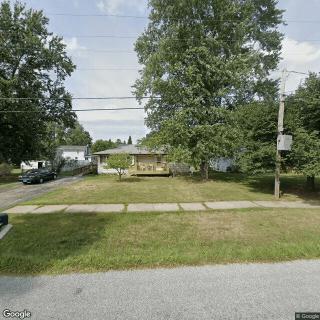
Simple Elegance
$1,800 to $6,900 / month20.5 miles away -
from +$179 / mo

Oakhaven Manor
$1,979 to $2,299 / month12.8 miles away -
from -$301 / mo
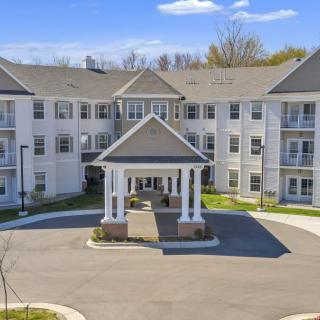
Grandhaven Manor II
$1,499 to $1,729 / month22.5 miles away -
from +$200 / mo
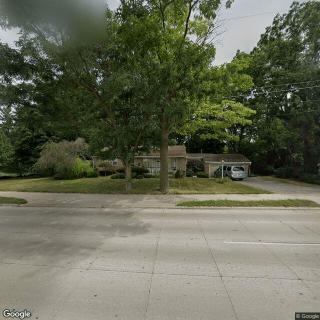
Blanca's Senior Home
$2,000 / month13.4 miles away -
from +$300 / mo

Vibrant Life Senior Living of Durand
$2,100 to $3,350 / month17.1 miles away
Overall Review of Angels Among Us
Pros
 The therapy dog was impressed by the director in communications.
- The visit was scheduled after the Haslett group, reflecting proactive planning.
Cons
 They were not impressed in person.
- It was not a comfortable home for Nana.
Review
Angels Among Us in Webberville, MI is best suited for seniors who thrive in a small, home-like setting and respond well to personal outreach and animal-assisted interaction. The facility’s footprint is intimate, two men and two women live there, sharing a single bathroom, which creates a cozy environment but also very limited privacy and routine flexibility. This arrangement can be a fit for a resident who prioritizes close-knit contact, simple logistics, and a sense of direct, hands-on attention from caregivers. For seniors who need more space, more bathrooms, or a larger, more varied community, this setting will feel cramped and restricting.
Those weighing options should consider alternatives if privacy, independence, or a larger social ecosystem top the list. Families seeking private rooms, multiple bathrooms, or a more spacious common area will likely find Angels Among Us insufficient. Likewise, seniors who require more robust care coverage, specialty memory support, or a broader network of activities across a larger campus may find the small-scale operation lacking in the day-to-day flexibility and resources they expect. In short, this community tends toward a very personal, simplified living arrangement rather than a comprehensive, multi-wing assisted living experience.
On the upside, the standout positives center on human connection and emotional engagement. A therapeutic dog program is a real asset, offering regular, meaningful interaction that can lift mood, stimulate conversation, and provide comfort to residents who respond to animal-assisted therapy. The leadership emphasis on clear, proactive communication is another meaningful strength; outreach staff and directors who prioritize transparent dialogue can ease family decisions and reduce ambiguity about care plans. These elements create a foundation of trust and warmth, which can be decisive for families who value visible attentiveness and relational continuity.
However, the tangible drawbacks temper those strengths. The in-person impression provided by the facility did not live up to the promise of the outreach or potential expectations set during initial contact. The small, single-bathroom arrangement translates into noticeable limits on privacy, daily convenience, and the ability to accommodate fluctuating needs with ease. This is not a setting that readily scales up for changing health or mobility requirements, nor does it offer the variety of activity venues that larger communities provide. For a resident who places high importance on independence or a broad social calendar, the constraints will be evident and often decisive.
Practical steps emerge for families evaluating this option. During a tour, verify the layout explicitly: confirm the number of bathrooms, access to private spaces, and how flexibility in daily routines is handled with shift changes. Ask about staffing ratios and what happens on weekends or holidays when staffing can dip or reorganize. Probe the therapy-dog program’s frequency, resident response, and any limitations on visits. If privacy and space are non-negotiable, compare with nearby communities that offer private rooms, multiple bathrooms, and larger common areas. Draft a clear plan to observe a routine day, and request candid conversations with both the director and frontline staff about anticipated changes in care needs.
In the end, Angels Among Us delivers essential warmth through its therapy-dog program and its emphasis on direct, communicative leadership. For a family prioritizing intimate, caregiver-accessible living with a pleasant emotional touch, this setting can feel like a good match. Yet for seniors who require greater physical space, more privacy, or a more extensive on-site program, this option will likely fall short. The decision hinges on balance: the payoff is a heartfelt, small-community experience and strong communication, while the cost is limited privacy, constrained space, and a compact footprint that may not accommodate evolving care needs.
 Board and Care Home
 Activities on-site
 Beautician on-site
 Devotional services on-site
 Private
 Respite or short term stays offered
 Capital City (23 miles away)
 Ambulatory care
 Diabetic care
 High acuity care
 Meals provided
 Christian services
 California's Form 602A: An In-Depth Examination of Senior Care Assessment
 Comprehensive Look at Senior Blood Pressure Charts: Normal and Elevated Levels by Age
 Top Canine Companions for Older Adults