
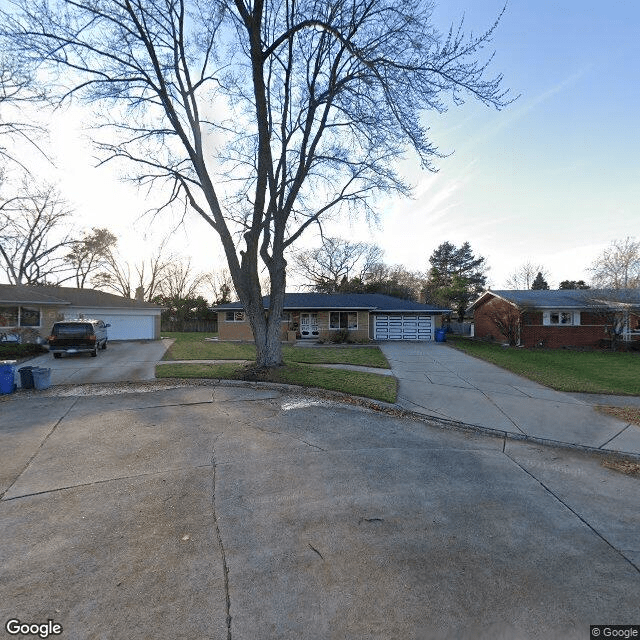
29101 Campbell, Warren, MI 48093
To contact a resident: (586) 634-3649
For more information about senior living options: (866) 208-4318
Jane's Place Costs & Pricing
At Jane's Place, the monthly costs for accommodations are notably competitive when compared to the broader landscape of Macomb County and the state of Michigan. For a semi-private room, Jane's Place charges $2,000, which is significantly lower than the county average of $3,232 and the state average of $3,191. Similarly, for a private room priced at $2,500, Jane's Place again stands out as more affordable than both Macomb County's average of $3,567 and Michigan's average of $3,675. This pricing structure not only highlights Jane's Place as a financially appealing option for residents but also suggests a commitment to providing quality care without burdening families with excessive costs.
| Floor plans | Jane's Place | Macomb County | Michigan |
|---|---|---|---|
| Semi-Private | $2,000 | $3,232 | $3,189 |
| Private | $2,500 | $3,567 | $3,674 |
Senior living communities with a similar price nearby
-
from -$200 / mo

Genesis Senior Living- Sterling
$1,800 to $3,110 / month7.7 miles away -
from +$195 / mo
Simply Beautiful Adult Foster Care Homes
$2,195 to $4,100 / month8.9 miles away -
About the same

Serenity Fields
$2,000 / month12.6 miles away -
from +$275 / mo
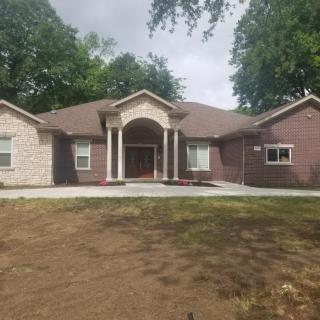
Pleasant Valley Family Care
$2,275 to $7,000 / month16.1 miles away -
from -$105 / mo

D & P Special Needs Center
$1,895 to $4,195 / month16.1 miles away
Overall Review of Jane's Place
Pros
 He is happy and content and glad to be out of Jane's Place.
- Since moving to another facility, he has improved dramatically.
- The program offers field trips and baseball games that help residents come out of their shell.
- The director noted that the place helps residents who often sit and watch TV to become more engaged.
Cons
 They would not recommend this facility to anyone.
- It is dark and dreary.
- The facility does not feed its residents enough food, and most of it is canned.
- The facility keeps a lock on the refrigerator.
- They get mad if you do not call before visiting and restrict visits to between 9 and 5.
- There was a confrontation with a staff member when someone showed up unannounced.
- The owner listened in on conversations with the resident and called the resident a liar when he said he fell.
- The resident lost almost 30 pounds after being there for only six weeks.
- The owner also makes fun of a resident, and many lies have been caught.
- There are no activities there as promised.
- All the residents do is sit around and watch TV all day.
- They would not take their dog there.
Review
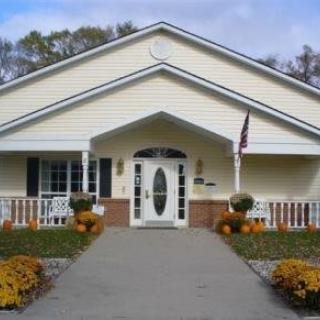
Jane’s Place in Warren, MI is best suited for residents who can largely manage daily living with minimal supervision and who prefer a quiet, low-stimulation environment over a bustling activities calendar. The facility seems to function as a compact, home-like setting where strict social programming is not a given, and where family members should not expect robust engagement or consistent, transparent operation. For loved ones who require reliable communication, predictable meals, and a visibly compassionate staff culture, this community would not be an ideal match. In short, it serves a niche of residents who can tolerate limited structured activity and are comfortable navigating a more austere dining and social life.
Given the documented concerns, several families should consider stronger alternatives. Those who insist on transparent, respectful management, proactive meal oversight, and a clearly defined activity schedule will likely be dissappointed here. If safety, dignity, and accurate, timely communication with caregivers are nonnegotiable, a different community with demonstrated adherence to best practices should be pursued. Prospective residents who depend on consistent nourishment and a supportive staff to monitor health changes will want to look elsewhere, where menu openness, weight maintenance, and positive resident interactions are prioritized.
There are some modest positives that can be observed when engagement opportunities are available. Staff and administrators have indicated that the aim is to move residents beyond passive TV time, with mentions of field trips and outings such as baseball games. When such activities are actually implemented, they offer meaningful social contact and a chance to slow some progression for those who respond to structured, purposeful outings. This potential is real, and it can be a meaningful difference for residents who thrive on occasional external stimuli and social interaction beyond the living room.
However, the heavy weight of the cons undermines any potential benefit from the limited positives. The most serious red flags include reports of insufficient meals and a locked refrigerator, a resident’s rapid weight loss, and a culture that can feel controlling or even disrespectful. Visitation expectations, confrontations with family members, and allegations of eavesdropping or belittling behavior from the owner create a troubling atmosphere that compromises trust and safety. The claim that promised activities fall flat and that residents simply sit and watch television for long stretches underscores a deficiency in life-enriching programming and responsive care.
The few reported “positive” elements do not offset the core risks or the lived experience described by families. When weight loss occurs in six weeks and a resident leaves visibly improved after a move, that contrast is telling: it signals systemic shortcomings rather than a recoverable shortcoming that can be easily corrected. The combination of a dreary environment, restrictive policies around visitors, and a pattern of perceived manipulation or dishonesty in communications paints a portrait of a setting that warrants caution. For families prioritizing dignity, consistency, and visible daily structure, the cons outweigh the stated benefits.
The practical takeaway is to approach with a clear decision framework and concrete safeguards. If choosing Jane’s Place, insist on a detailed, written care plan that confirms meal amounts, daily menu options, and a reliable activity calendar. Request direct introductions to the administrator and direct caregivers, and obtain recent inspection or licensure records to verify compliance and safety standards. Schedule multiple visits at various times, including a typical day and a special activity day, to observe staff-resident interactions and responsiveness firsthand. If any red flags recur during tours, conflicts over visits, dismissive staff responses, or lack of follow-through on promised programming, pivot to alternatives with demonstrated consistency, generous programming, and a culture of respectful, transparent care.
 Board and Care Home
 Activities off-site
 Bath tubs
 Beautician on-site
 Devotional services off-site
 Indoor common areas
 Outdoor common areas
 Private
 Diabetic care
 Meals provided



 Compassionate Conversations: How to Comfort Someone Who Is Grieving
 Home Health Care Aides: Understanding Their Role and Supporting Your Family
 Urinary Tract Infections in Older Adults: Comprehensive Insights on Symptoms, Treatment, and Prevention