
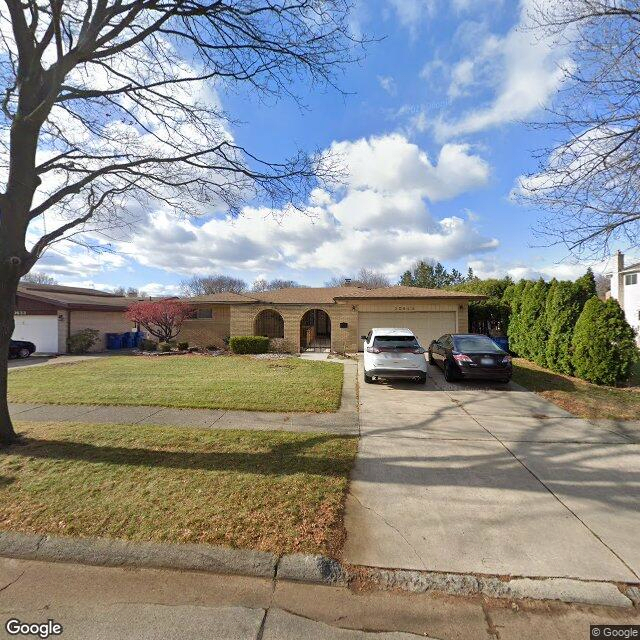
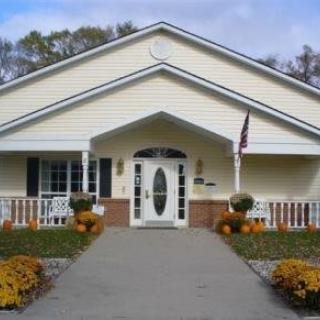
30645 Lebanon Drive, Warren, MI 48093
For more information about senior living options: (866) 208-4318
Overall Review of Angie's Residential Care
Cons
 The owner is rude and doesn't care.
- They will say anything to get you in the door.
- This group home is horrible.
- They will not do activities with the residents.
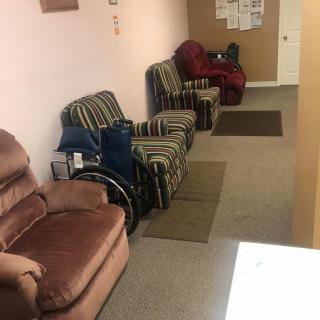
- The residents are placed in front of the TV all day.
- They do not take the residents outside, read to them or engage with them unless it involves feeding, changing or bathing.
- The owners are not who they say they are.
- The owners are in this for the money ONLY.
- The owners yell at the residents, who have become afraid of her.
- What they were told about the facility turned out to be false.
Review
Angie's Residential Care in Warren, MI is best suited for families that want a very basic, low-cost supervision setting where safety is the primary expectation and social or cognitive stimulation is not a priority. It operates more like a small group-home than a true assisted-living program, and the prevailing account from people with familiarity to residents is that daily life centers on passive routines. Residents are described as largely parked in front of a television, with little to no structured programming, outside time, or reading and engagement beyond essential caregiving tasks. For families willing to accept minimal daily interaction and a hands-off approach to quality-of-life enhancements, this setting might feel implementable. For many others, however, the reality signals a poor fit from the outset and raises serious questions about long-term well-being.
Those who should seriously consider alternatives are families prioritizing meaningful engagement, regular activity calendars, outside time, respectful staff, and honest, transparent communication. If a loved one relies on social interaction for mood, cognitive stimulation, or overall quality of life, this home is unlikely to meet those needs. If trust in staff and alignment between promises and actual services matter, the available accounts strongly suggest looking elsewhere. In short, any expectation of a person-centered, activity-rich, relational caregiving environment should push families to explore other options that offer demonstrable engagement and accountability.
Pros, if any, are not evident in the reviews. The only conceivable advantage would be basic safety supervision inherent in any residential setting, but there is no documented evidence that such supervision is reliable, proactive, or genuinely attentive. In the absence of concrete positives, the significant downsides become the defining factor, and there is nothing in the narratives to balance those risks.
The main drawbacks are acute and persuasive. The owner is described as rude and manipulative, with allegations that admission pitches are used to secure placements rather than to establish trust. Residents are not engaged with purposeful activities; they are kept in front of the TV, with little to no opportunities for outdoor time, reading, or companionship beyond the most utilitarian caregiving tasks. The atmosphere is depicted as fear-based, with residents allegedly afraid of staff and the communication reportedly driven by financial motives rather than resident welfare. A particularly troubling account notes a friend arriving in a stable condition but deteriorating rapidly, with the implication that the care and monitoring did not meet needs or expectations. Taken together, these elements paint a picture of care that prioritizes entry and occupancy over ongoing, quality-life investments.
In weighing options, a practical decision framework is essential: verify licensing and inspection history, arrange candid tours, and observe actual interactions between staff and residents during a typical day. Request a detailed, current activity schedule and ask for examples of individualized care plans, daily routines, and outdoor time. Speak with multiple families or residents about communication responsiveness, billing clarity, and how concerns are handled. Compare staffing patterns and ratios, and seek references from other families with similar care requirements. If possible, visit unannounced to witness real-time dynamics rather than staged showings. For families with tighter budgets, the temptation to minimize costs must be weighed against the cost of diminished wellbeing, cultural comfort, and potential negligence.
The bottom-line judgment is clear: Angie's Residential Care presents unacceptable risks for anyone whose priority is engaged, respectful, and reliable caregiving. The combination of disengaged programming, alleged disrespectful treatment, and an apparent emphasis on occupancy over care makes it a poor fit for seniors who need companionship, cognitive support, and dignified daily living. Alternatives that offer structured activity, regular outside time, transparent caregiver interactions, and a track record of compassionate, resident-centered care should be pursued. If staying within a tight budget is unavoidable, insist on thoroughly verifying staff stability, ongoing supervision, and a demonstrated commitment to person-centered care before placing a loved one in any setting resembling this home.
 6 resident community capacity
 Assisted Living
 Activities on-site
 Cable or satellite TV
 Devotional services off-site
 Dining room
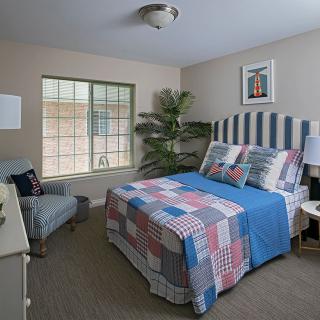
 Fully furnished
 Garden
 Housekeeping services
 Indoor common areas
 Move-in coordination
 Outdoor space
 Telephone
 Wi-Fi/high-speed internet available
 24-hour supervision
 Ambulatory care
 Assistance with bathing
 Assistance with dressing
 Assistance with transfers
 Diabetes diet
 Diabetic care
 Meal preparation and service
 Medication management
 Special dietary restrictions
 Transportation arrangement (medical)
 Transportation to doctors appointments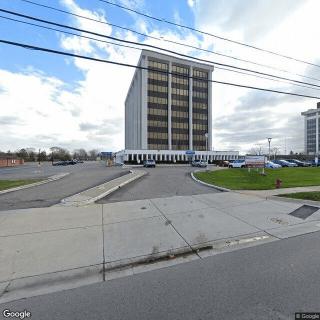
 Affordably priced semi-private and private rooms vs. county/state averages.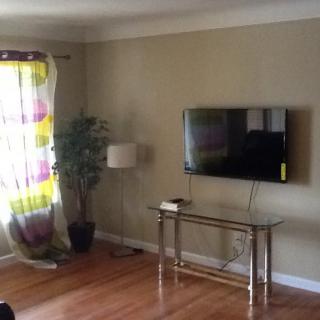

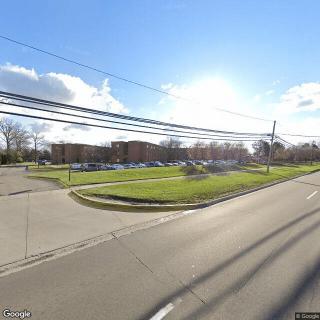
 Comprehensive Insights into Activities of Daily Living (ADLs) and Their Assessment
 Medicare Coverage for Assisted Living: An In-Depth Exploration
 Choosing the Right Senior Care: A Detailed Exploration of Assisted Living and Nursing Homes