
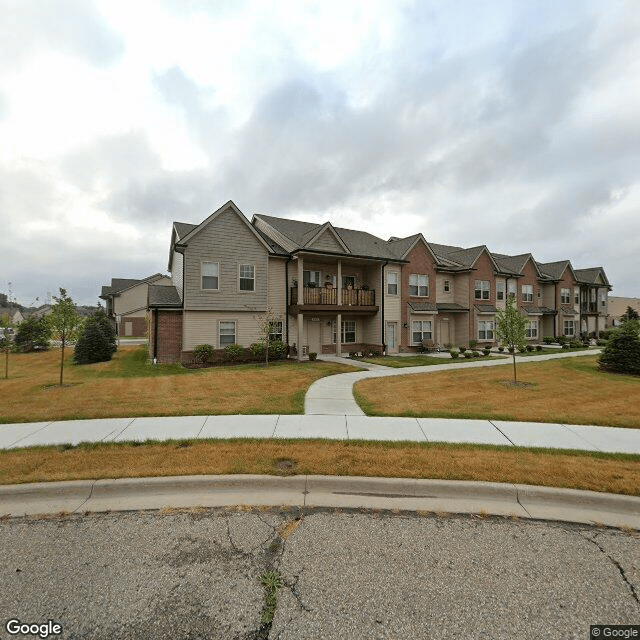
45674 Utica Park Blvd, Utica, MI 48315
To contact a resident: (586) 843-7188
For more information about senior living options: (866) 208-4318
Overall Review of Changing Everyday Lives - Utica, MI
Pros
 They chose Changing Everyday Lives for mom and would recommend it to others.
 - The facility is clean, the staff are friendly, and it offers good value for the service.
- The caregivers formed a bond with the father, showing care that felt like they had known him for years.
- Tardiness or absenteeism was never an issue with the caregivers.
- They motivated the patient to participate in daily tasks, promoting independence.
- The reviewer would rate Changing Everyday Lives a 10 out of 10 and would recommend it to others.
Cons
 They claimed the mom could not have coffee or milk, citing diarrhea, though it was never an issue at home.
- They moved the mom’s bedtime from 10–11 pm to 8 pm, despite her pain and inability to be in bed that long.
- Several home care staff who visited were not treated well by the facility’s staff.
- On multiple occasions, the mom was found in bed at 5:15 pm, indicating poor scheduling or care.
- The electric recliner was used to lift her legs, then unplugged, leaving her alone in her room with the door covered.
- They took away everything she enjoyed and “broke her spirit.”
- The facility had no exterior sign, few staff beyond the owner, and charged a high price with cash payment demanded.
- There were red flags that caused distrust about placing her there.
- They served packaged or frozen meals instead of fresh options.
- Having three partners evaluate the home and calling frequently before appointments was deemed unacceptable, with last-minute cancellations also criticized.
Review
Changing Everyday Lives in Utica, MI is best suited for families seeking an intimate, caregiver-driven assisted living option for a loved one who needs help but does not require heavy medical management. The community reads like a small, owner-involved operation with a homey feel: clean space, approachable staff, and a sense that caregivers form close, meaningful bonds with residents. That personal touch shows up in anecdotes about caregivers taking extra steps, extending care beyond daily visits, and residents feeling known and valued. For families prioritizing warmth, daily encouragement, and a smaller, more manageable environment, this setting can be a strong match. The trade-off is real: the same small scale that enables personal attention can also translate into uneven experience and limited resources when needs intensify or routines are tested.
Those considering alternatives should note a few red-flag signals. Price and payment terms raise questions for budget-conscious families, with at least one review flagging cash payment expectations. Transparency around ownership and governance is another concern, as some observations point to limited public signs of ownership and a sense that decisions are concentrated in a few hands. For residents with significant medical or behavioral complexity, or for families who prefer highly structured routines and predictable programming, a larger, more formalized facility with on-site nursing oversight and standardized processes may deliver greater peace of mind. In short, this community may not satisfy families seeking crystal-clear governance, expansive medical support, or highly regimented daily schedules.
The strongest positives, if the right match, are the caregivers’ dedication and the personal, relational approach to daily care. Several accounts describe staff who feel passionately about residents, form friendships, and motivate independence in practical tasks. When caregivers are consistently present and engaged, they can offset some limitations of the setting, such as a small dining program or a tighter schedule, by delivering tailored, person-focused interaction, gentle reminders, and timely assistance. There is evidence that care can extend beyond the facility walls, with caregivers who treat clients like family and show flexibility in addressing individual needs. In practice, these strengths matter most when a resident thrives on trust, familiarity, and ongoing encouragement from a small team.
Yet the cons are not negligible. Instances of restrictive routines, such as shifting bedtimes and altering simple daily preferences, underscore how a caregiver-driven model can clash with a resident’s established habits or comfort needs. Reports of care disruptions, including moments where a resident’s preferences for meals or personal routines were not honored, suggest a fragility in consistency that families must weigh heavily. There are also legitimate concerns about meal quality and food service; a reliance on packaged or frozen options can matter to families who prioritize fresh, home-style meals. Taken together, these issues tilt the balance toward caution for residents who require steadier policy enforcement, kitchen oversight, and unwavering routine.
Practical decisions for families considering this community boil down to alignment of values, risk tolerance, and the ability to supervise care closely. If the choice hinges on genuine, affectionate caregiving in a small, home-like setting and if willingness to monitor daily routines and staff consistency is high, this option can be compelling. It is essential to ask pointed questions: how is staffing assigned and rotated on weekends; what is the exact process if a resident resists a bedtime change; who makes key dietary decisions and how are dietary needs validated; what is the plan for escalation if medical issues arise; and how transparent is ownership and governance to families and residents. A trial period or a staged transition, with a clearly defined point of contact, can reveal whether the live-in culture holds steady.
Bottom line: Changing Everyday Lives is not a one-size-fits-all solution. It can reward families who prize intimate, relationship-heavy care and are comfortable trading some programming breadth for higher caregiver engagement. It is less suited for those who require predictable routines, rigorous medical oversight, transparent governance, or a defined menu and dining program with consistent freshness. For families weighing options near Utica, this community merits serious consideration if the emphasis is on personal bonds and a warm, home-like atmosphere, provided diligence is applied to governance, staffing reliability, and alignment with a resident’s specific medical and daily-living needs. Alternatives with larger staff pools, clearer policies, and steadier daily rhythms should be explored for residents who demand stronger structure and formal oversight.





 Ten Vital Duties of a Senior Caregiver: A Comprehensive Guide
 9 Stimulating Memory Activities for Seniors: Puzzles, Cards, and Much More
 Managing Nursing Home Expenses After Medicare Coverage Ends