
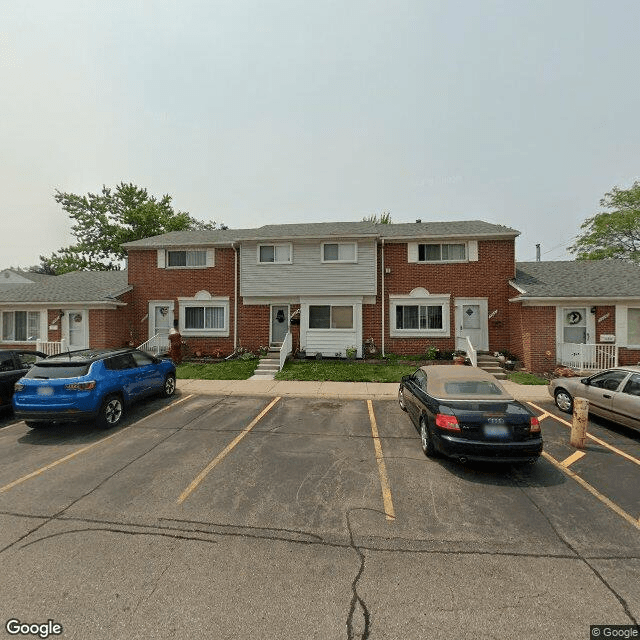
32115 Harper Ave, St. Clair Shores, MI 48082
To contact a resident: (586) 293-4709
For more information about senior living options: (866) 208-4318
Overall Review of Williamsburg Townhouses
Pros
 It is a great community.
- Maintenance fees are reasonable and rarely increase.
- It has a great environment with lots of families.
- It is a lovely neighborhood for raising kids or finding a quiet place to live.
- There are many dog owners and the dogs are cute.
- The location is nice, even though it can be crowded.
- The neighborhood is very quiet and the staff is nice.
Cons
 It has a severe case of cronyism in the community.
- Some members are allowed to ignore written rules, while others fear retaliation from management and the reporters.
- It creates an extremely toxic environment.
- A dog wanders unleashed and unsupervised, defecating wherever.
- There are two huge storage units, exceeding the rule limit of one.
- A trash bin is stored in front of a unit.
- There is a unit sitting empty for almost two years while the owner lives in the house.
- Neighbors aren’t very friendly or considerate.
Review
Williamsburg Townhouses in St. Clair Shores is best suited for families and long-term residents who want a market-rate cooperative with real equity in their unit, a predictable fee structure, and a quiet, walkable environment. The community operates as an equity-based ownership model, where residents hold an equity interest tied to unit value, upgrades, and market conditions. Waiting lists are common, and monthly dues are described as reasonable and infrequently rising. For households seeking stability, a safe neighborhood feel, and a setting friendly to kids and dogs, this property checks meaningful boxes. The atmosphere is described as family-oriented, with pleasant walking paths and a generally calm, residential rhythm that can suit those prioritizing continuity over rapid turnover.
Those who may want to consider alternatives are primarily individuals who value transparent governance, consistent enforcement of rules, and a professional management posture. Several reviews flag a troubling social undercurrent, cronyism, retaliation for reporting rule violations, and a toxic environment that undermines trust in the community’s processes. Reports of uneven rule enforcement, selective accountability, and fear of retaliation suggest that residents who depend on fairness and predictable consequences may find the climate stressful. Additionally, the presence of frequent dog activity combined with lax oversight in some cases raises concerns for allergy sufferers or residents seeking a stricter pet policy and steadier supervision of common-sense standards.
The strongest pros, equity ownership, stable fees, and a quiet, safe living milieu, can offset certain drawbacks for residents who plan to stay long term and who value investment potential and neighbor stability. The ownership structure fosters a sense of belonging and a stake in the community’s future, while the absence of frequent fee shocks protects budgeting for households on fixed incomes or careful expense planning. A resident-focused staff and a reputation for a clean, family-friendly environment further bolster the case for those who want a low-stress, predictable daily experience. In a best-case read, the positives translate into durable home life, where children can grow up in a walkable, connected neighborhood with familiar routines.
Yet the cons are not trivial and can dominate the experience for many potential residents. Allegations of cronyism and retaliation touch the core of daily life here, creating an atmosphere where rules feel selectively applied and concerns may be dismissed or punished rather than validated. Inconsistent enforcement of rules and a sense that some members operate with impunity erode trust and can create friction among neighbors. The practical implications are real: reports of tense interactions, a few unfriendly or unhelpful neighbors, and even a unit sitting empty for an extended period suggest a social dynamic that undermines the cooperative ideal. The combination of a crowded feel in a family-dense setting and these governance issues can make the day-to-day experience feel more transactional than welcoming.
To decide with confidence, prospective residents should do targeted diligence before committing. Engage several current residents to gauge the consistency of rule enforcement, the transparency of governance, and the responsiveness of management. Request the governing documents, recent board minutes, and a clear description of the complaint-and-resolution process. Clarify the pet policy and how incidents like the roaming dog issue are handled; examine the history of maintenance fee adjustments and what triggers increases. Investigate the unit sale pipeline and the typical time to close, since the waiting list dynamics matter when planning a move. Finally, assess personal tolerance for social risk: if a serene, collaborative environment is non-negotiable, this community will demand careful scrutiny and perhaps a longer inspection of alternatives.
In sum, Williamsburg Townhouses presents a compelling package for buyers who prize ownership stability, reasonable dues, and a safe, family-friendly setting. The equity-based model and quiet, walkable environment are genuine strengths that can underpin a satisfying long-term home. However, the reported governance tensions, cronyism, retaliation, and uneven rule enforcement, pose meaningful risks to daily life and satisfaction. For families that prioritize a harmonious, well-governed community and are prepared to probe governance practices deeply, the positives may still prevail. For those who cannot tolerate a volatile social climate or opaque accountability, exploring alternatives with stronger governance, clearer enforcement, and less potential for interpersonal conflict is a prudent, time-efficient step.
 Active Adult Communities (55+)





 Comprehensive Guide to Qualifying for Home Health Care Services
 Powerful Realities of Elder Abuse and the Most Effective Ways to Report It
 Ten Vital Duties of a Senior Caregiver: A Comprehensive Guide