
215 South 3Rd., Saginaw, MI 48607
For more information about senior living options: (866) 208-4318
Overall Review of Whitley Adult Foster Care I
Pros
 The home has a warm, caring atmosphere and is excellently run.
- It is a very family-friendly environment that treats residents like family.
- The staff are devoted to residents’ care, health, and daily life.
- It ensures a high quality of living delivered with respect.
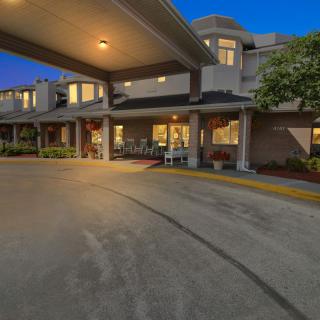
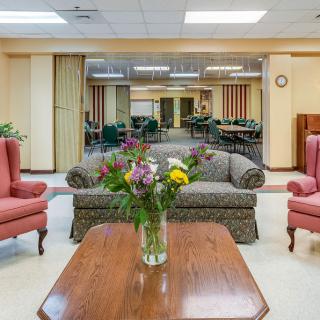
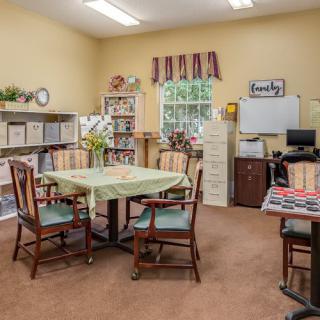
- The spaces are large and nicely decorated, providing plenty of room without crowding.
- Meals are prepared with planning and dedication.
- The cozy fenced-in yard is a great place to sit in the summer, watch the ducks, or enjoy the weather.
- The location is close to downtown, with easy walking access to many stores.
Review
Whitley Adult Foster Care I in Saginaw is best suited for seniors who want a small, hands-on, home-like living arrangement where caregivers treat residents like family and daily routines bend to individual needs. This is the option for those who value genuine connection, respectful care, and a living environment that feels more like a well-run private home than a traditional institution. It works especially well for residents who appreciate spacious surroundings, predictable routines, and easy access to downtown amenities where simple errands can be walked to. Families seeking a high-touch, personalized care dynamic will likely feel at ease here, as staff invest time in daily life, meals, and social moments.
The core strength is the atmosphere and the caregiving culture. Reviews describe a warm, devoted team that prioritizes health, daily living, and respect, resulting in a level of trust and comfort that rarely appears in larger campuses. Care is delivered with a family-first ethos, translating into attentive supervision, meaningful companionship, and a sense of belonging. Residents benefit from generous, well-appointed spaces, big rooms, thoughtful decor, and open areas that feel uncluttered rather than crowded. Meals are not an afterthought but a built-in component of well-being, planned and prepared with care that reflects attention to nutrition and enjoyment. The yard is a real asset, fenced, cozy, and inviting for relaxation or sunshine.
Location adds to the appeal. Being close to downtown means easy access to stores, services, and casual outings without a long drive, supporting independence and social engagement. The setting supports an active, neighborly daily life: short walks to shops, casual conversations with neighbors, and a safe outdoor space for weather-friendly activities. The combination of space, safety, and a homey vibe tends to minimize the stress often associated with transitions into care. For many families, this translates into fewer worries about isolation or disconnection from the surrounding community, which is a meaningful contributor to quality of life in the senior years.
However, the intimate, foster-care model naturally carries limits that matter in decision-making. For residents who require high-level medical oversight, frequent skilled nursing, complex rehab, or specialized memory care, this setting may not be the best fit. The smaller scale means fewer on-site resources, staff coverage variations, and less formal programming than larger assisted living campuses. While the environment supports independence and personal attention, it does not advertise extensive clinical services or a wide array of structured activities. Prospective buyers should verify whether the level of daily assistance, medication management, and emergency response aligns with the resident’s current needs and future trajectory.
The strengths offset those potential gaps in meaningful and practical ways. The first line of defense against decline in small-group care is consistent, personal attention, caregivers know each resident’s routines, preferences, and health quirks, enabling timely prompts, nutrition oversight, and social engagement. The generous room sizes and yard support autonomy and comfort, reducing the risk of overstimulation and withdrawal. The home-like atmosphere fosters trust, making it easier to address concerns quickly and maintain dignity. In short, for families prioritizing warmth, respect, and a steady, predictable day-to-day experience, these pros often outweigh the lack of a broader service menu.
Decision guidance: Whitley Adult Foster Care I is a strong fit for seniors who want to stay connected to a small, attentive community with a genuine home feel and the ability to walk to nearby services. Those needing extensive medical management, specialized dementia care, or robust, campus-style programming should consider alternatives with larger staff teams and more comprehensive clinical offerings. Before moving, confirm staffing levels during evenings and weekends, inquire about medication administration procedures, and request a candid outline of daily activities and any memory-support resources. We would advise families to approach this option with a clear sense of current needs and future trajectory, and to visit with staff to confirm that the daily life quality valued most will be delivered in practice.
 12 resident community capacity
 Assisted Living
 Cable or satellite TV
 Dining room
 Fully furnished
 Garden
 Housekeeping services
 Move-in coordination
 Outdoor space
 Telephone
 Wi-Fi/high-speed internet available
 Mbs International (10 miles away)
 24-hour supervision
 Activities of daily living assistance
 Assistance with bathing
 Assistance with dressing
 Assistance with transfers
 Diabetes diet
 Meal preparation and service
 Medication management
 Special dietary restrictions
 Transportation arrangement (medical)
 Transportation to doctors appointments
 Is Assisted Living Deductible on Your Taxes? Understanding the Complexities of Assisted Living Expenses and Deductions
 Assisted Living Support for Veterans: A Complete and Detailed Overview
 Exploring the Contrasts Between Assisted Living and Skilled Nursing