
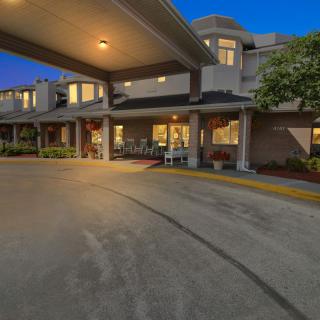
2525 Mackinaw Street, Saginaw, MI 48602
For more information about senior living options: (866) 208-4318
Overall Review of Victory - AFC
Pros
 Tony is a good choice for most because he works on customers' needs by encouraging them toward their goals and correcting their mistakes.
- Tony encourages customers even when they don’t understand his actions, showing patience and support rather than resentment.
- He helps people apply themselves to their true life purpose, the purpose Tony believes they can achieve.
- Tony demonstrates a strong commitment to helping others become leaders and reach their full potential.
- Over about 20 years, Tony has developed leadership skills and created opportunities for others, such as enabling attendance at the 2015 peer conference.
Cons
 Some consumers believe the only reason he does this is to be mean and nasty.
Review
Victory - AFC in Saginaw, Michigan is best suited for adults who want to be pushed toward personal growth through a demanding, hands-on coaching model led by the owner-operator. This is not a place for passive maintenance; Tony leads with a blunt, goal-oriented style that prizes accountability, practical skill-building, and a sustained arc of development. The core promise is to turn residents into self-directed contributors by identifying aims, correcting missteps, and insisting on higher standards. The arc of transformation is evident in the feedback that leadership skills can emerge only after time and persistent mentoring, including opportunities such as attending a peer conference. Families should expect daily life to function as a laboratory for maturity rather than a passive shelter.
Those who may want to explore alternatives are those seeking a gentler, more predictable daily rhythm or someone requiring heavier medical oversight. The model relies on active engagement and the potential for hard-edged feedback; residents who prefer hands-off support, a softer touch, or a more conventional senior-living ambiance may find the approach mismatched. The one-star critique in the mix hints at dissatisfaction when the style doesn’t align with individual temperament or expectations. In such cases, it makes sense to look at other AFC/SIP settings with different coaching dynamics, staff ratios, and levels of formal medical oversight to ensure a better fit.
The strongest pro is Tony’s unwavering, long-term commitment to each resident’s development. With roughly two decades spent shaping leadership and purpose, the program offers sustained attention and tailored feedback, whether in goal setting, skill-building, or accountability. The claim that a resident can move from misgivings to leadership capacity over years demonstrates a depth of investment that shorter programs rarely provide. The tangible outcome emphasis, evidenced by a resident’s attendance at a peer conference, signals that the focus is not just daily care but real, transferable growth. For families seeking character formation and practical life-readiness, this offers a rare, intensely developmental pathway.
On the flip side, the coaching intensity can feel burdensome to some, and outcomes hinge heavily on Tony’s active involvement. If access to direct, confrontational coaching is limited by scheduling or staff changes, progress may stall. The small volume of publicly available evidence beyond one detailed testimonial means families must evaluate risk as well as promise. The program’s strength, personal accountability and purposeful daily living, creates a high bar; for those who cannot tolerate a tough love, results may disappoint. In essence, the environment favors residents who can metabolize direct feedback and channel it into independent functioning.
Nevertheless, the pros can offset the cons when the resident and family are aligned with the program’s philosophy. A rigorous, purpose-driven track yields durable gains in independence, resilience, and social integration, outcomes that matter far more than mere routine comfort. The long horizon of growth reduces the risk of “short-term fixes” and instead builds a usable toolkit for adulthood. The explicit focus on leadership development means residents graduate with concrete skills, not just better daily habits, and the link to external validation (such as professional conferences) strengthens both motivation and credibility. In this light, the approach becomes a strategically intentional choice rather than a gamble on novelty.
The bottom-line verdict is pragmatic and decisive. Victory - AFC is a strong fit for families seeking a no-nonsense, growth-obsessed environment where leadership and accountability sit at the center of living arrangements. It excels for those who want real, measurable progress delivered through a driven owner who will push, correct, and celebrate advancement. For anyone prioritizing a gentle pacing, softer coaching, or intense medical oversight within a traditional medical model, other options should be pursued. The determining factor is alignment with the resident’s temperament and goals: when the aim is to cultivate a purposeful, capable adult through sustained, intensive coaching, this community delivers with unusual clarity and commitment.
 6 resident community capacity
 Assisted Living
 Board and Care Home
 Memory Care
 Cable or satellite TV
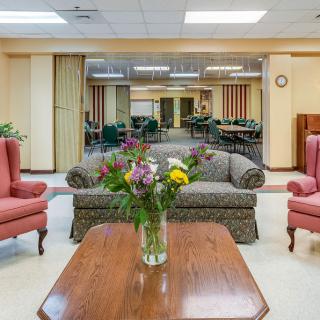
 Dining room
 Fully furnished
 Garden
 Housekeeping services
 Move-in coordination
 Outdoor space
 Telephone
 Wi-Fi/high-speed internet available
 Mbs International (9 miles away)
 24-hour supervision
 Activities of daily living assistance
 Assistance with bathing
 Assistance with dressing
 Assistance with transfers
 Diabetes diet
 Hospice waiver
 Meal preparation and service
 Medication management
 Mental wellness program
 Special dietary restrictions
 Transportation arrangement (medical)
 Transportation to doctors appointments


 Understanding the Distinctions: Assisted Living and Memory Care Explained
 How to Communicate with a Loved One Living with Dementia: 10 Supportive Strategies
 Comprehensive Guide to VA Nursing Homes: A Crucial Long-Term Care Resource for Veterans