
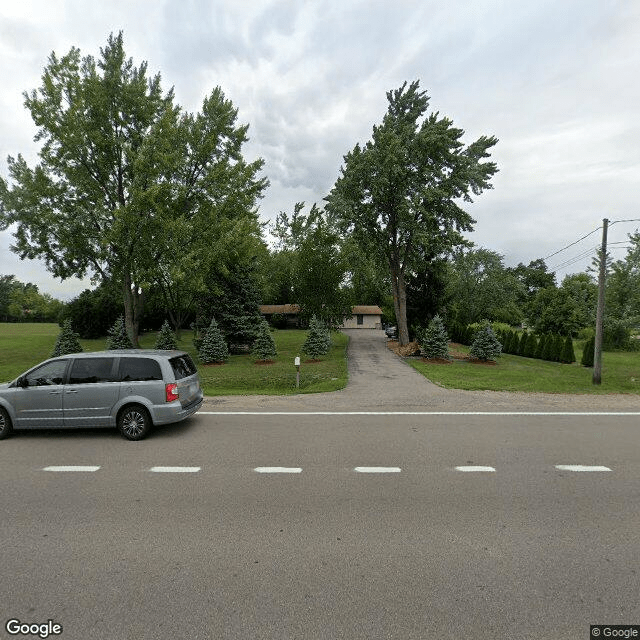
185 South Boulevard E, Rochester Hills, MI 48307
For more information about senior living options: (866) 208-4318
Rochester Hills Manor Costs & Pricing
Rochester Hills Manor offers competitive pricing for its various room types, with monthly costs reflecting both the quality of care and the amenities provided. For a semi-private room, residents can expect to pay $3,500, which is notably higher than the Oakland County average of $3,204 and the state average of $3,191. Private rooms are priced at $4,000, again surpassing local and state figures - the county average being $3,708 and Michigan's at $3,675. Studio accommodations at Rochester Hills Manor come in at $4,500; this rate is slightly lower than Oakland County's average of $4,577 but significantly higher than the state average of $3,824. Overall, while Rochester Hills Manor's pricing may be above some regional averages, it reflects a commitment to providing tailored care and superior living conditions for its residents.
| Floor plans | Rochester Hills Manor | Oakland County | Michigan |
|---|---|---|---|
| Semi-Private | $3,500 | $3,204 | $3,189 |
| Private | $4,000 | $3,708 | $3,674 |
| Studio | $4,500 | $4,577 | $3,824 |
Memory care communities with a similar price nearby
-
from -$500 / mo
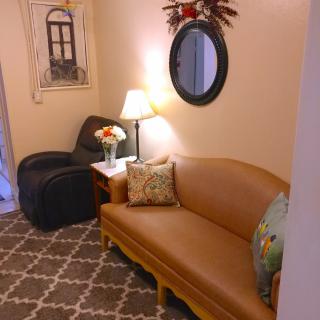
Hutcheson Manor
$3,000 to $4,500 / month16.0 miles away -
from +$300 / mo
Silverbell Manor
$3,800 / month8.4 miles away -
from -$300 / mo
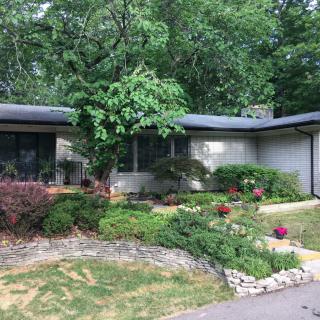
Vicky's Place
$3,200 to $6,000 / month12.8 miles away -
from +$500 / mo
Oakland View Senior Living
$4,000 to $5,000 / month11.2 miles away -
About the same
Pineview Manor
$3,600 / month12.1 miles away
Overall Review of Rochester Hills Manor
Pros
 The residential care home is very nice, and the staff are friendly.
- The home is lovely and very clean.
- Rochester Hills manor has a warm and friendly family atmosphere.
- Ligia demonstrates strong expertise, and the facility is a wonderful, caring, and safe place for a loved one to live.
- The staff at A Place for Mom made the decision-making process easier and provided helpful resources.
- Sarah followed up to check how the decision-making was progressing and offered additional resources.
Cons
 The home is lovely and clean but is unfortunately full.
- Moving a parent into an assisted living facility is very difficult, especially when the parent has dementia.
Review
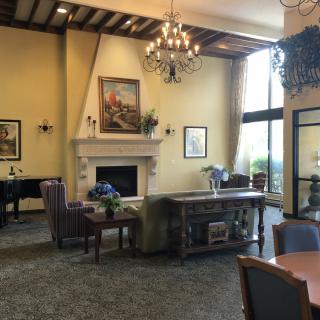
Rochester Hills Manor is best suited for seniors who prize a warm, home-like setting with hands-on, around-the-clock care and a clearly heartfelt staff. The reviews consistently highlight a family atmosphere, friendly and approachable caregivers, and a clean, welcoming environment that feels more like a residence than a clinical facility. For families seeking personal attention, smaller-scale dynamics, and the peace of mind that comes with 24-hour coverage, this community delivers with noticeable strength. The emphasis on warmth and safety makes it a compelling option for residents who want meaningful relationships with caregivers and a non-institutional daily routine.
However, potential residents should consider alternatives if immediate admission or a broader array of services is a priority. The clearest caveat in the feedback is that the home is currently full, which means families may face waitlists or the need to explore other options unless a vacancy opens promptly. This constraint can be a critical barrier for those facing a deadline or for individuals who require urgent moves due to changing care needs. In practice, this makes Rochester Hills Manor a strong fit only when flexibility on timing exists and a matchable opening is available.
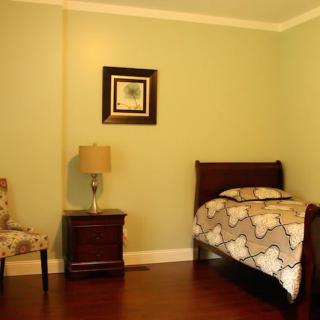
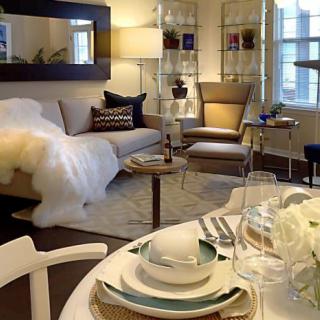
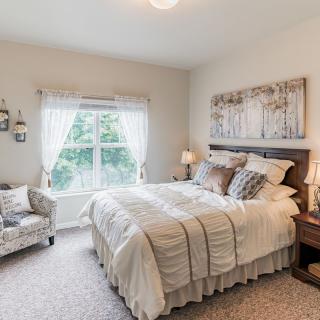
The strengths of the community, its warmth, perceived safety, and cleanliness, offset the lack of a wider facility footprint. Ligia’s leadership and the staff’s approachable demeanor come through as genuine assets, delivering consistent kindness, patient explanations, and a sense that residents are treated as family members. The environment’s softer lighting, clean lines, and comfortable atmosphere reinforce a feeling of calm, which can ease anxiety for both residents and families navigating dementia or complex care decisions. When these intangibles align, the daily experience stands out in a market often dominated by more impersonal settings.
Yet the small size that underpins the charm can also mean fewer specialized programs or resources than larger campuses. While the testimonials speak to 24-hour care and attentive supervision, questions about memory-care programming, mobility support, or access to a wider slate of activities require direct confirmation. Families should probe what dementia-specific practices look like in practice, inquire about staffing ratios during peak hours, and confirm how medical oversight is coordinated with outside providers. The upside is a highly personalized approach; the potential drawback is a more limited scale of offerings.
For families evaluating suitability, practical steps sharpen the decision. Schedule a face-to-face visit to observe how staff interact with residents, assess whether the cleaner, home-like setting matches the resident’s preferences, and verify current vacancy or waitlist status. Ask about the structure of daily activities, meal options, and the level of assistance available for activities of daily living. Consider leveraging referral support, as some families did, to navigate options and gather additional resources. The positive impression from tours and the cited ease of decision-making with guidance suggests a readiness to help families who engage early and are clear about their constraints.
Ultimately, Rochester Hills Manor stands out as a strong choice for families seeking a compassionate, intimate setting where residents are known by name, care is consistent, and the home feel is genuine. The most critical factor remains availability; if a vacancy is confirmed and the family’s goals center on warmth, personal attention, and a calm, clean living environment, this community delivers. For those needing immediate placement, or for families requiring more clinical or programmatic breadth, it is wise to explore alternatives with larger communities or more expansive memory-care capabilities. In the balance of attributes, Rochester Hills Manor is a practical, well-regarded option with a clear caveat: act promptly on openings and verify how far the care spectrum extends beyond the doorway.
 6 resident community capacity
 Assisted Living
 Board and Care Home
 Memory Care
 Cable or satellite TV
 Dining room
 Fully furnished
 Garden
 Housekeeping services
 Move-in coordination
 Outdoor space
 Private
 Telephone
 Wi-Fi/high-speed internet available
 24-hour supervision
 Activities of daily living assistance
 Assistance with bathing
 Assistance with dressing
 Assistance with transfers
 Diabetes diet
 Meal preparation and service
 Medication management
 Special dietary restrictions
 Transportation arrangement (medical)
 Transportation to doctors appointments

 When to Transition from Assisted Living to Memory Care: Key Indicators, Steps, and Finding the Right Community
 Understanding the Distinctions: Assisted Living and Memory Care Explained
 How to Communicate with a Loved One Living with Dementia: 10 Supportive Strategies