
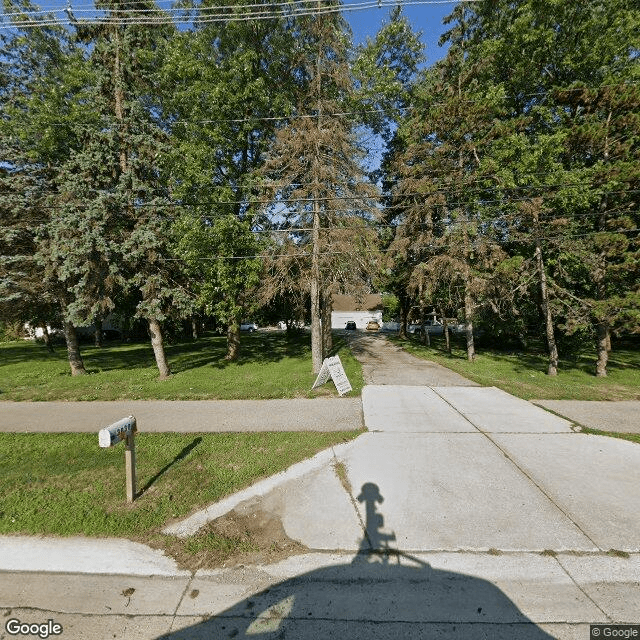
3030 Crooks Road, Rochester Hills, MI 48309
To contact a resident: (248) 856-0004
For more information about senior living options: (866) 208-4318
Overall Review of Natural Freedom
Pros
 They are very happy with Freedom Home Care; everything has been great, including caregiving, communication, and the owner’s willingness to help.
 - They describe Freedom Home Care as a great family.
- The owner is consistently available and ready to assist with their needs.
Cons
 The reviewer hasn’t received their paycheck for over three to four months and has been given the runaround for the money.
- The family released the caregiver from caregiving because of lateness, despite claiming they were flexible with the schedule.
- The reviewer would not recommend this company to anyone.
- Staff reportedly report abuse allegations to their boss, who fired a family member living in the home with mentally handicapped adults, yet that person is still allowed to reside there.
- When staff are unavailable, that abusive person is allowed to supervise the clients, and reports to Adult Protective Services have yielded no action.
- The accounting staff are disorganized and rude, treating caregivers poorly and being nasty and mean-spirited; they warn others not to work there.
- The guardian is alleged to have serious mental health issues and was nonetheless appointed, later hired for another client’s home, fired for paranoia, and has been institutionalized several times, raising questions about mental health background checks.
- The family smoked cigarettes in the caregiver’s face and fired them for vaping.
Review
Natural Freedom in Rochester Hills, Michigan is best suited for families seeking in-home, non-medical care guided by a hands-on owner who can be reached quickly for urgent needs and last-minute changes. This setup tends to favor intimate, relationship-driven service over a large agency footprint. The model appeals to households that value direct communication, a caregiver team that feels like family, and flexibility in scheduling when routines shift. It works best for clients who don’t require complex medical interventions but want steady, personable assistance and a responsive point of contact whenever concerns arise.
At the same time, families should consider alternatives if payroll reliability, strict staffing standards, and formal safeguarding controls are non-negotiable. Larger agencies or vetted independent providers affiliated with a reputable agency typically offer more robust back-office systems, more predictable payroll, defined coverage when a caregiver is sick, and clearer governance around safety and reporting. If clear, consistent administrative processes and documented safeguards are essential, the current footprint may feel thin or fragmented.
The strongest positives center on caregiving quality, communication, and owner accessibility. Positive feedback notes that caregivers are caring, and that the owner’s involvement translates into workable solutions and a sense of reassurance for families. Those elements can translate to meaningful daily support and smoother problem-solving during transitions. Yet, significant drawbacks temper these strengths: months of unpaid wages signal fragile back-office operations, and claims of disorganized accounting and rapid caregiver turnover undermine reliability. Personal attentiveness can exist, but it does not by itself compensate for systemic administrative weaknesses.
Equally important are the red flags raised around governance and safety. Allegations of abuse, questions about the suitability of guardians or supervisors, and involvement with Adult Protective Services introduce real concern about safeguarding, oversight, and proper client protection. Reports that a powerful caregiver or guardian with mental health issues was allowed to operate in a vulnerable setting warrant rigorous vetting and immediate inquiry. Combined with anecdotes of tense or unsafe interpersonal dynamics, such as a caregiver being dismissed after conflicts or witnesses of unsafe environments, the need for rigorous, documented safeguards becomes a determining factor for any family weighing this option.
To move forward with confidence, prospective families should demand concrete, written safeguards and a clear, enforceable care plan. Insist on a transparent agreement detailing caregiver-to-client ratios, back-up coverage, and a defined escalation process for urgent issues. Request recent payroll timeliness data, and ask how the agency prevents disruptive staff turnover and what onboarding and ongoing training look like. Seek robust background checks, supervision protocols, and explicit policies on safeguarding, abuse reporting, and independent oversight. Gather multiple references, visit the care setting when possible, and consider a short trial period to assess reliability before committing long-term.
In the end, Natural Freedom offers a compelling personal touch for families who prize responsive leadership and flexible scheduling, along with caregivers who bond with clients. However, the combination of payroll instability, potential governance concerns, and documented safety-related red flags means that risk cannot be dismissed. For households prioritizing consistent staffing, financial reliability, and rigorous safeguarding, exploring alternatives with stronger administrative discipline and formal accountability is prudent. A well-informed choice will hinge on requesting hard evidence of back-office stability and safeguarding assurances, then weighing those assurances against the immediacy of everyday, person-centered care.




 Urinary Tract Infections in Older Adults: Comprehensive Insights on Symptoms, Treatment, and Prevention
 California's Form 602A: An In-Depth Examination of Senior Care Assessment
 Comprehensive Look at Senior Blood Pressure Charts: Normal and Elevated Levels by Age