
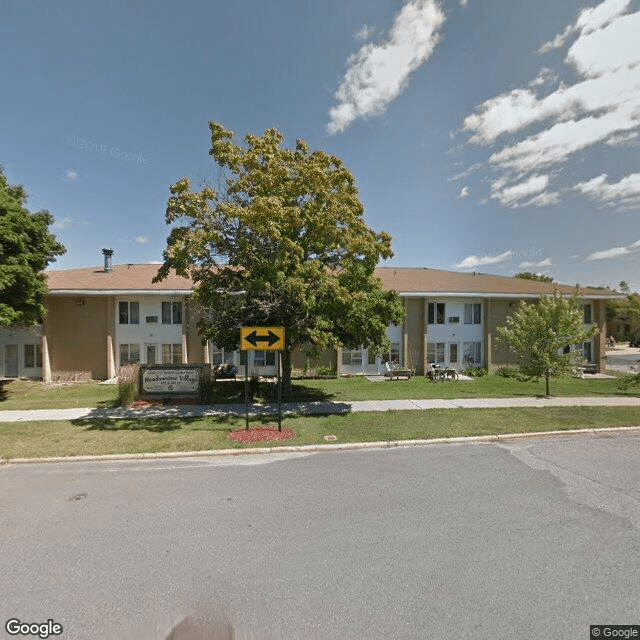
802 S Mill St, Reed City, MI 49677
To contact a resident: (231) 832-2762
For more information about senior living options: (866) 208-4318
Overall Review of Reed City Housing
Pros
 They are great ladies to work with to help you find a place to stay.
- They are friendly and helpful.
- They provide a house for people in need, and the houses are nice.
- The place is clean.
Cons
 There were no openings, which creates a waiting list.
- They dislike the rule that allows only 14 overnight visits per year.
Review
Reed City Housing in Reed City, MI is best suited for budget-conscious adults and seniors who need stable, affordable housing and can tolerate a slower intake process. The community operates more like a portfolio of decent, resident-friendly houses than a traditional assisted-living campus, with staff who actively help families navigate the search for a bed. It is prime for those who prize dignity, cleanliness, and a supportive hand from people who genuinely want to place residents in a better situation. Immediate access or high-end amenities are not what this option provides; it wins for steadiness and affordability, with the understanding that openings are scarce and momentum comes through a waiting list.
Those considering alternatives should note this is not the right fit for anyone needing urgent placement or around-the-clock care. Families seeking a near-term solution with medical supervision, on-site caregiving, or highly flexible visitation will likely find other communities more aligned with those needs. Likewise, households chasing more expansive social programs, richer activity calendars, or a more “community-on-the-ground” feel may wish to evaluate other options. Reed City Housing trades breadth of services for a lean, affordable pathway, which is an important distinction for decision-makers weighing care level and speed of move.
The major strengths are clear and tangible: the staff is described as friendly and helpful, with “great ladies” who are dedicated to guiding people toward a placement. That relational warmth matters, especially when openings are limited and anxiety naturally rises during the search. The housing itself is framed as “nice houses,” not dreary institutional spaces, which signals an environment where residents can maintain dignity and enjoy a modest level of comfort. Cleanliness is repeatedly noted, reinforcing a sense of safety and well-being that matters for anyone managing budget constraints and a transitioning living situation.
On the flip side, the principal drawbacks center on availability and policy constraints. The most obvious deterrent is the persistent lack of openings, accompanied by a waiting list that can stretch delays and complicate planning. Even with responsive staff, the reality remains that a bed may not come available promptly, which can disrupt family timelines and care arrangements. A further pointer from the reviews is a restrictive overnight visitation rule, only 14 visits per year. That policy can fray families who want closer involvement in daily routines, medical communications, and emotional support for a loved one. In this context, the sense of security is real, but the degree of family access is constrained.
Those pros offset the cons to a meaningful degree for the right buyer. The helpful staff reduces the frustration of a slow entry by actively assisting with the search and offering clear guidance on next steps, which preserves momentum even when vacancies are scarce. The combination of clean, well-maintained homes and a respectful, dignified living environment provides a stable backdrop for anyone managing a tight budget or navigating transitions. In effect, Reed City Housing delivers steady, low-cost housing with a humane, hands-on support system that keeps the focus on placement success and resident dignity, rather than speed or flash.
In practical terms, this community makes the most sense for families and individuals who can embrace a patient, stepwise path to housing and who place a premium on kindness, cleanliness, and affordability. It is a prudent pick for those who can accept a potential wait time and are comfortable operating within a more restrained visitation framework. If immediate placement, broader access, or more comprehensive on-site care are non-negotiables, alternatives should be explored. Prospective residents should contact the team to confirm current availability, walk through the exact visitation limits, and map out a realistic timeline that aligns with care needs and family involvement. The decision should hinge on prioritizing affordable, respectful housing with dependable staff support over immediacy or high-end amenities.
 Board and Care Home




 Comprehensive Insights into Palliative Home Care: What It Is and What to Expect
 Skilled Nursing Facilities vs. Nursing Homes: Making Sense of the Differences
 A Detailed Examination of Nursing Home Costs Across the U.S.