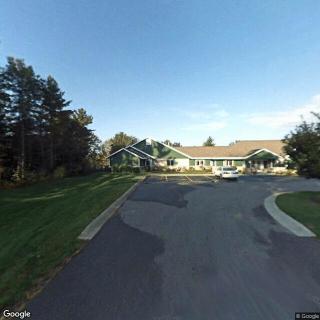
South Torch Assisted Living in Rapid City, MI

Information last verified:

12800 Cherry Avenue, Rapid City, MI 49676

For more information about senior living options: (844) 490-3973

2 from 1 review

South Torch Assisted Living Costs & Pricing

South Torch Assisted Living offers a private room at a monthly cost of $3,900, positioning it slightly above both Kalkaska County and the broader Michigan state average. In contrast, the average monthly cost for assisted living in Kalkaska County stands at $3,517, while the state average is around $3,675. While South Torch's rates reflect its commitment to quality care and amenities, they are higher than those typical for the surrounding area. This pricing may suggest additional services or enhanced living conditions that could be appealing to prospective residents seeking comprehensive support in a nurturing environment.

Floor plansSouth Torch Assisted LivingKalkaska CountyMichigan
Private$3,900$3,517$3,674

Overall Review of South Torch Assisted Living

Cons

  • pro It seems to be an assisted living facility marketed as a hotel.
  • pro It looks like an institutional property, not a resort.
  • pro The marketing as a hotel feels misleading.

Review

South Torch Assisted Living in Rapid City, MI is best suited for families seeking dependable, entry-level assisted living support delivered in a straightforward, no-frills setting. The focus here is on the essentials: help with daily activities, medication reminders, and basic supervision, packaged in a practical layout that prioritizes safety and ease of navigation over polish or embellishment. For residents who want predictability and a functional environment where staff are present and routines are clear, this community can fill the fundamental needs without the pressure of a high-end atmosphere. It is not pitched as a resort or a resort-influenced experience, and that distinction matters for families weighing ambiance and mood alongside care.

If ambiance, warmth, and a homelike atmosphere carry significant weight, alternatives deserve serious consideration. Prospective residents who crave a more boutique, hotel-like feel, more vibrant common spaces, or dining and activity programming designed to feel luxe will likely be disappointed here. The impression conveyed by the property is institutional rather than inviting, and that branding misalignment can shape daily life in ways that extend beyond décor. In short, for families prioritizing a home-like sense of comfort and social immersion, other communities are likely to deliver a more engaging, emotionally satisfying environment.

From a decision perspective, the core advantages center on reliability and clear care protocols. The facility provides the backbone of assisted living support, staff presence for daily tasks, routine supervision, and structure that reduces fall risk and confusion for residents who need guidance. When these elements work well, they offset the most tangible downside: the ambience. In contexts where staffing consistency and predictable routines are strong, the basic care framework can offer real value, translating into peace of mind for families who want straightforward, measurable support without fuss. However, the offset is partial, because the environment itself colors the resident experience and can undermine a sense of independence and spirit if the setting feels clinical, cold, or unwelcoming.

The principal con, the institutional, hotel-marketing look rather than a welcoming, resort-like vibe, tends to eclipse the facility’s care strengths for many families. A space that feels more like a hospital wing than a home can dampen social engagement and daily motivation, which are critical to quality of life in assisted living. When common areas, dining spaces, and even staff interactions project practicality over warmth, residents may become less inclined to participate in programming or to personalize their living spaces. That disconnect between care delivery and emotional comfort is a meaningful hurdle, one that must be weighed against the cost and the level of supervision already in place.

To navigate this choice, an informed visit is essential. Prospects should probe staffing patterns: ratios during peak hours, response times, and consistency of caregivers on the floor. Ask to see sample menus and dining experiences, noting whether meals accommodate dietary restrictions while still offering variety and flavor. Tour a few resident rooms to assess space, natural light, and personalization potential, and check for safety features, grab bars, uncluttered corridors, easy-to-reach emergency call systems. Inquire about activity calendars, transportation options, small-group engagement, and how resident input shapes programming. Speaking with current residents and families during a tour often reveals whether the purported “care-first” approach translates into daily warmth and genuine connection.

The bottom-line recommendation is clear. South Torch Assisted Living will satisfy families prioritizing dependable, basic assisted living services over an upscale environment. It is a reasonable fit for those who want straightforward care, predictable routines, and a clear sense of safety without the frills of resort-like amenities. However, for anyone whose top priorities include a homier atmosphere, vibrant social settings, and spaces that feel custom-tailored to individual tastes, alternatives are worth pursuing. The stark contrast between a functional care facility and a space designed to feel like a welcoming home should guide the decision, not merely a willingness to accept a lower aesthetic bar in exchange for basic help. In the end, the choice hinges on what matters most: the depth of daily comfort and the sense of belonging as much as the level of care. Schedule a thoughtful in-person assessment, compare with peers offering stronger ambiance, and let the objective balance of care quality and living environment decide.

Features

Housing

  • 12 resident community capacity 12 resident community capacity

Types of Care

  • Assisted Living Assisted LivingAssisted living facilities provide crucial support and care for seniors who may need help with daily tasks such as medication management, bathing, and meal preparation. These communities offer a safe and comfortable environment where seniors can maintain their independence while receiving the assistance they need to thrive in their golden years.

Amenities

  • Cable or satellite TV Cable or satellite TVCable or satellite TV is important for seniors because it provides entertainment, news, and companionship, helping to combat loneliness and boredom. It also offers a wide range of programming options tailored to different interests and preferences.
  • Dining room Dining roomDining rooms are important for seniors as they provide a space for socialization, connection, and nutritious meals. They offer opportunities for residents to bond over shared meals, foster a sense of community, and promote healthy eating habits. Dining rooms also ensure that seniors have access to well-balanced meals tailored to their dietary needs and preferences.
  • Fully furnished Fully furnishedFully furnished senior living communities are important for seniors because they provide convenience, comfort, and a hassle-free moving experience. Seniors can easily settle into their new living space without the stress of having to buy and move furniture. This allows them to focus on enjoying their new home and community.
  • Garden GardenGardens are important for seniors as they provide a peaceful and therapeutic environment for relaxation, physical activity, and socialization. Being in nature has been shown to reduce stress, improve mood, and promote overall well-being. Gardens also offer opportunities for seniors to engage in gardening activities, which can improve mobility, flexibility, and cognitive function. Additionally, gardens create a sense of community and connection with others who share a passion for plants and outdoor spaces.
  • Housekeeping services Housekeeping servicesHousekeeping services are important for seniors because they help maintain a clean and safe living environment, promote independence, and reduce the risk of accidents or illnesses. Additionally, having assistance with household chores can alleviate physical strain and allow seniors to focus on other aspects of their well-being.
  • Move-in coordination Move-in coordinationMove-in coordination is important for seniors because it helps ease the transition into their new living environment. It ensures that all logistics, such as packing, organizing movers, and setting up utilities are taken care of, allowing seniors to focus on settling in and adjusting to their new home. Having a smooth move-in process can alleviate stress and anxiety, making the transition smoother and more enjoyable for seniors.
  • Outdoor space Outdoor spaceOutdoor spaces are important for seniors as they provide opportunities for physical activity, social interaction, exposure to natural light and fresh air, and a sense of connection to nature. Having access to outdoor spaces can improve overall well-being and quality of life for older adults living in senior communities.
  • Telephone TelephoneTelephones are important for seniors as they provide a lifeline for communication with loved ones, emergency services, and healthcare providers. They offer a sense of security and independence, enabling seniors to stay connected and access assistance when needed.
  • Wi-Fi/high-speed internet available Wi-Fi/high-speed internet availableWi-Fi/high-speed internet is important for seniors to stay connected with loved ones, access online resources, and participate in virtual activities to combat feelings of loneliness and isolation. It also allows them to easily manage healthcare needs, access entertainment, and engage in lifelong learning opportunities.

Transportation

  • Cherry Capital (14 miles away) Cherry Capital (14 miles away)

Care Services

  • 24-hour supervision 24-hour supervision24-hour supervision is important for seniors to ensure their safety, well-being, and access to immediate assistance in case of emergencies or health issues. This constant support provides peace of mind for both seniors and their loved ones, allowing them to age in place with dignity and security.
  • Activities of daily living assistance Activities of daily living assistanceActivities of daily living assistance are important for seniors because they provide essential support with tasks such as eating, bathing, dressing, and mobility. This assistance helps seniors maintain their independence, dignity, and overall quality of life as they age.
  • Assistance with bathing Assistance with bathingAssistance with bathing is crucial for seniors as it helps maintain personal hygiene, prevents infections, and ensures their overall well-being and comfort. It also provides a sense of dignity and independence for seniors who may struggle with this task on their own.
  • Assistance with dressing Assistance with dressingAssistance with dressing is important for seniors because it helps maintain their independence, promotes personal hygiene, prevents accidents and injuries, and improves overall quality of life. This service ensures that seniors can continue to dress comfortably and confidently, despite any physical limitations they may have.
  • Assistance with transfers Assistance with transfersAssistance with transfers is crucial for seniors as it helps prevent falls and injuries, maintains their independence, and ensures they can safely navigate their living environment. It also provides peace of mind for both seniors and their loved ones.
  • Coordination with health care providers Coordination with health care providersCoordination with health care providers is crucial for seniors to ensure proper medical care, medication management, and overall well-being. This collaboration helps prevent overlapping treatments, track progress more effectively, and provide comprehensive support tailored to individual needs.
  • Diabetes diet Diabetes dietA diabetes diet is crucial for seniors as it helps manage blood sugar levels, reduce risks of complications, and improve overall health and well-being. By following a balanced and nutritious diet tailored to their specific needs, seniors can better control their diabetes and enhance their quality of life.
  • Meal preparation and service Meal preparation and serviceMeal preparation and service are crucial for seniors as they may have limited mobility or energy to cook nutritious meals. Having access to healthy and convenient food options can ensure they are getting the proper nutrition needed to maintain their overall health and well-being.
  • Medication management Medication managementMedication management is crucial for seniors to ensure they are taking the right medications at the correct dosages and times. This helps prevent adverse drug interactions, reduces the risk of medication errors, and promotes overall health and well-being. Proactive management also allows for adjustments as needed based on changing health conditions or new prescriptions.
  • Special dietary restrictions Special dietary restrictionsSpecial dietary restrictions are important for seniors because age-related changes in metabolism and health conditions can make it difficult for their bodies to process certain foods. By following a diet tailored to their specific needs, seniors can maintain their overall health and well-being, manage chronic conditions, and reduce the risk of complications such as malnutrition or food interactions with medications.
  • Transportation arrangement (medical) Transportation arrangement (medical)Transportation arrangements for medical purposes are essential for seniors as they may have difficulty driving themselves to appointments or accessing public transportation. Having reliable and safe transportation options ensures that seniors can receive timely medical care and maintain their health and well-being.
  • Transportation to doctors appointments Transportation to doctors appointmentsTransportation to doctors' appointments is crucial for seniors as it ensures they have access to necessary medical care and support for their health needs. Without reliable transportation, seniors may struggle to attend important appointments, leading to potential delays in treatment and health complications. Providing transportation services helps seniors maintain their overall well-being and quality of life.

Dining

  • Diabetes diet Diabetes dietA diabetes diet is crucial for seniors as it helps manage blood sugar levels, reduce risks of complications, and improve overall health and well-being. By following a balanced and nutritious diet tailored to their specific needs, seniors can better control their diabetes and enhance their quality of life.
  • Special dietary restrictions Special dietary restrictionsSpecial dietary restrictions are important for seniors because age-related changes in metabolism and health conditions can make it difficult for their bodies to process certain foods. By following a diet tailored to their specific needs, seniors can maintain their overall health and well-being, manage chronic conditions, and reduce the risk of complications such as malnutrition or food interactions with medications.

Activities

  • Community-sponsored activities Community-sponsored activitiesCommunity-sponsored activities are important for seniors as they provide opportunities for social interaction, mental stimulation, and physical activity. These activities can help improve overall well-being, combat loneliness and isolation, and promote a sense of belonging and purpose among older adults.
  • Scheduled daily activities Scheduled daily activitiesScheduled daily activities are important for seniors because they provide structure, socialization, mental stimulation, and physical activity. Engaging in regular activities can improve overall well-being and quality of life for seniors living in a community setting.

Description

South Torch Assisted Living is a warm and welcoming community located in Rapid City, MI. Our residents enjoy a comfortable and fully furnished living environment, complete with all the amenities they need for a fulfilling and enjoyable lifestyle.

Our dining room provides delicious meals prepared by our experienced chefs, who can accommodate special dietary restrictions. Residents can also take advantage of our two nearby cafes and five restaurants for a change of scenery or to socialize with friends and family.

At South Torch Assisted Living, we understand the importance of maintaining an active and engaging lifestyle. That's why we offer a variety of scheduled daily activities to keep our residents entertained and stimulated. Whether it's participating in group exercises, enjoying arts and crafts, or engaging in social events, there's always something fun happening at our community.

Our dedicated staff is available to assist residents with various activities of daily living, such as bathing, dressing, and transfers. We also provide medication management services to ensure that each resident receives their prescribed medications accurately and on time.

In addition to our exceptional care services, we offer move-in coordination assistance to make the transition into our community as seamless as possible. We also provide transportation arrangements for medical appointments and regular outings.

For those who enjoy spending time outdoors, our community features beautiful garden areas and outdoor spaces where residents can relax or engage in gardening activities.

South Torch Assisted Living takes pride in its close proximity to essential amenities. With two parks nearby, residents can enjoy nature walks or picnics whenever they desire. Additionally, there is one physicians' office within easy reach for any medical needs that may arise. For spiritual fulfillment, there is one place of worship conveniently located near our community.

At South Torch Assisted Living, we strive to create an inclusive and compassionate environment where seniors can thrive while receiving the support they need. Contact us today to learn more about our exceptional assisted living community in Rapid City, MI.

Nearby Places of Interest

Restaurants

  • Micos Torch Riviera (0.1 miles)
  • The Local (2.7 miles)
  • Torch Lake Beer Co (3.5 miles)
  • Pearls New Orlean Kitchen (4.7 miles)
  • Soup Cup (4.8 miles)
  • Five Meal Deal (5 miles)
  • Cone Corral & Pizzeria - Elk Rapids (5.1 miles)

Physicians

  • Bruce D Lirones (2.4 miles)
  • Elk Rapids Primary Care PLC (5.1 miles)
  • Elk Rapids Medical Clinic (5.2 miles)
  • Meijer Optical (9 miles)
  • Mark Saunders MD PC (9.6 miles)
  • Women's Health Pavilion (9.7 miles)
  • Bellaire Family Health Center (10.2 miles)

Parks

  • Alden Park (2.7 miles)
  • Whitewater Township Park (3.5 miles)
  • Veterans' Memorial Park Beach Playground (5.4 miles)
  • Veterans' Memorial Park (5.4 miles)
  • Bayside Park (9.9 miles)
  • Archie Park (10.3 miles)
  • Kalkaska County Parks & Rec (10.4 miles)

Cafes

  • Lakeside Dip (3.6 miles)
  • Alden Muffin Tin (3.6 miles)
  • M88 Morning Grind (10.9 miles)

Places of Worship

  • Alden United Methodist Church (3.6 miles)
  • Williamsburg United Methodist Church (6.6 miles)
  • New Beginning Fellowship (7.4 miles)
  • Kalkaska United Methodist Church (10.2 miles)
  • Kalkaska Seventh Day Adventist (10.4 miles)
  • Calvary Baptist Church (10.5 miles)
  • Church (10.5 miles)

Hospitals

  • Elk Rapids Family Practice (5 miles)
  • Kalkaska Memorial Health Center (10.9 miles)
  • Munson Healthcare (10.9 miles)

Pharmacies

  • River Pharmacy (5 miles)
  • Corner Druggist (5.3 miles)
  • Meijer Pharmacy (9 miles)
  • Bellaire Pharmacy (10.6 miles)
  • Rite Aid (10.7 miles)
  • Family Fare Supermarkets (11.3 miles)
  • Family Fare Pharmacy (11.3 miles)

Transportation

  • U-Haul Neighborhood Dealer (5.9 miles)
  • U-Haul Neighborhood Dealer (10.1 miles)
  • Taxidermy Log Lake (11.4 miles)

Frequently Asked Questions

How much does it cost to live at South Torch Assisted Living in Rapid City, MI?
Where is South Torch Assisted Living?

Nearby Communities

  • Clearwater

    Clearwater

    Rapid City, MI

    5 from 2 reviews
     

    pro Comprehensive care with ADL support, meals, housekeeping, and diabetes-friendly options.

  • South Torch Assisted Living,  LLC

    South Torch Assisted Living, LLC

    Rapid City, MI

    1 from 1 review
    $4,750 / month

    pro Spacious ground-floor, wheelchair-accessible apartments with on-site activities and restaurant-style dining; specialized care options.

  • Elk Rapids Assisted Living

    Elk Rapids Assisted Living

    Elk Rapids, MI

    4.7 from 6 reviews
    $2,900 to $3,400 / month

    pro Caring staff in a clean, well-maintained setting with homemade meals.

  • Cherry Suite

    Cherry Suite

    Williamsburg, MI


    pro Homelike board-and-care with personalized care and comprehensive support.

  • Golden Life AFC 2

    Golden Life AFC 2

    Elk Rapids, MI

     
    $2,500 / month

    pro Affordable private room with diabetic care.

  • Rapid River Adult Foster Care

    Rapid River Adult Foster Care

    Rapid City, MI

    4 from 6 reviews
     

    pro Small, homelike assisted living with 24/7 supervision and personalized care.

  • Cordia at Grand Traverse Commons

    Cordia at Grand Traverse Commons

    Traverse City, MI

    4.4 from 31 reviews
    $3,255 to $5,875 / month

    pro Beautiful facility with attentive staff, engaging activities, and gourmet dining.

  • The Village at Bay Ridge

    The Village at Bay Ridge

    Traverse City, MI

    4.3 from 3 reviews
    $1,165 to $1,435 / month

    pro Quality of care and cleanliness with broad on-site amenities and a pet-friendly policy.

  • Traverse Manor

    Traverse Manor

    Traverse City, MI

    4.3 from 27 reviews
    $3,300 to $3,600 / month

    pro Friendly staff, clean facility, and strong on-site amenities in a peaceful setting.

Related Resources

  • assisted living costUnderstanding the True Cost of Assisted Living in 2025: A Comprehensive Guide

    Assisted living in 2025 offers a crucial balance of independence and support for seniors, with costs varying from $2,500 to over $7,000 per month based on factors such as location and care level. Understanding pricing complexities, including regional differences and potential hidden fees, is essential for families to plan financially while ensuring quality care for their loved ones.

  • does medicaid pay for assisted livingUnderstanding Medicaid Coverage for Assisted Living: A Comprehensive Guide

    The guide outlines the complexities of Medicaid coverage for assisted living, highlighting significant state-to-state variations, limited coverage often restricted to personal care services, and the existence of specialized waivers for certain needs like memory care. It advises families to consult local Medicaid offices for options while emphasizing the importance of understanding state-specific regulations and facility policies.

  • does medicaid pay for assisted livingHow and When Medicaid May Cover Assisted Living Costs

    Medicaid coverage for assisted living varies by state and is primarily available to low-income individuals, with eligibility dependent on strict income and asset limits. Some states offer HCBS waivers for specific services in assisted living, but families must generally cover room and board costs, and should verify facility acceptance of Medicaid while considering potential waiting lists.