
5555 East Metz Highway, Posen, MI 49776
For more information about senior living options: (866) 208-4318
Overall Review of Orchard Manor Adult Foster Care
Pros
 They are proactively pursuing healthcare training, including CNA classes, to update their credentials.
- They plan to relocate to Posen, MI in the coming weeks.
- They are actively seeking job leads.
Review
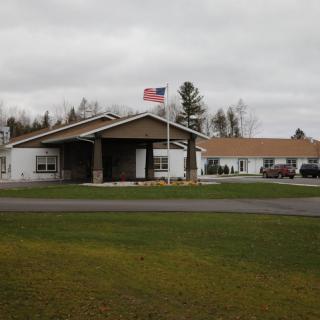
Orchard Manor Adult Foster Care in Posen, Michigan is best suited for seniors who want a tight-knit, home-like setting where daily routines feel familiar and care happens at a personal, hands-on level. The community’s two five-star reviews suggest residents and families value a small-scale, attentive environment rather than a large campus. The rural Michigan location is a practical fit for families seeking easier oversight, predictable scheduling, and grounding in a small town where caregivers can know residents well and respond quickly. For someone transitioning from independent living who needs help with daily activities but doesn’t require hospital-level medical oversight, Orchard Manor offers a compelling match: warmth, consistent caregiving, and a sense of belonging that larger facilities sometimes struggle to deliver.
However, consider alternatives if the priority is robust medical management or a broad menu of amenities. Adults needing frequent skilled nursing interventions, constant monitoring, or specialized memory care programming may fare better in larger assisted living campuses or skilled nursing facilities with dedicated units. The available reviews concentrate on relocation logistics and job-related inquiries rather than detailed reports on clinical care, activities, or long-term outcomes, which signals that Orchard Manor may be best evaluated as a personal-care-friendlier option rather than a depot of comprehensive services. Families must weigh the desire for intimate attention against the likelihood of limited on-site specialists and fewer built-in program options.
The primary advantages, intimate staffing, quick responsiveness, and a home-like atmosphere, tend to offset the main downsides when fits align. In a small AFC setting, caregivers build stronger relationships with residents, which translates into tailored assistance with dressing, bathing, and medication reminders, a steady routine, and fewer confusing transitions. That personal touch often leads to better mood stability and adherence to care plans. Yet this same size can limit the breadth of medical capabilities, reduce choices for spiritual or recreational programs, and constrain transportation or excursion opportunities. For families, the trade-off is clear: the warmth of a family-style setting versus the scalability and resource depth of larger communities.
A prudent evaluation approach centers on concrete questions during tours: confirm the exact caregiver-to-resident ratio at different shifts, verify licensing and certifications, and review how care plans are developed and updated with family input. Inquire about on-site medical help, access to visiting clinicians, and how emergencies are handled after hours. Probe meal quality, dietary accommodations, safety features like non-slip flooring and emergency call systems, and the daily timetable for activities. Clarify transportation arrangements for appointments or social outings, and whether respite or short-term stays are available to test compatibility. Finally, ask for recent references and any transparency around budget for care services beyond base room and board.
For families focused on a close-knit, low-key living arrangement, Orchard Manor stands out as a practical choice in the Posen area. The smaller footprint can yield greater consistency, simpler communication with staff, and a sense of neighborhood safety that a larger campus may dilute. Yet the decision should hinge on current and anticipated care needs: if plans call for frequent nurse visits, specialized dementia programming, or a robust calendar of social events, alternatives in nearby towns might deliver more value per dollar. In such cases, a candid side-by-side comparison that includes cost, care hours, and the availability of in-network specialists is essential.
The path to a sound choice rests on structured due diligence and a clear picture of expectations. Begin with a guided tour, demand real-world demonstrations of time-on-task with residents, and request a sample care plan that aligns with present needs. Weigh Orchard Manor against alternatives with a similar price point that offer broader medical or memory-care resources. Once a fit emerges, secure a short-term trial if possible and maintain open channels with caregivers and administrators. With disciplined questions and a focus on personalized care, the selection process will yield a setting where daily life feels supported, safe, and genuinely respectful.
 6 resident community capacity
 Assisted Living
 Cable or satellite TV
 Dining room
 Fully furnished
 Garden
 Housekeeping services
 Move-in coordination
 Outdoor space
 Telephone
 Wi-Fi/high-speed internet available
 Alpena County Regional (17 miles away)
 24-hour supervision
 Activities of daily living assistance
 Assistance with bathing
 Assistance with dressing
 Assistance with transfers
 Diabetes diet
 Meal preparation and service
 Medication management
 Special dietary restrictions
 Transportation arrangement (medical)
 Transportation to doctors appointments
 Exploring the Path to Senior Living: A Comprehensive Look at Independent Living and Assisted Living
 Is Assisted Living Deductible on Your Taxes? Understanding the Complexities of Assisted Living Expenses and Deductions
 Assisted Living Support for Veterans: A Complete and Detailed Overview