
6193 Norway Drive, Oscoda, MI 48750
For more information about senior living options: (866) 208-4318
Overall Review of North Shores Center
Pros
 It is an awesome place for someone struggling with the darkness.
- It is super chill and low-key, a place to relax and get better.
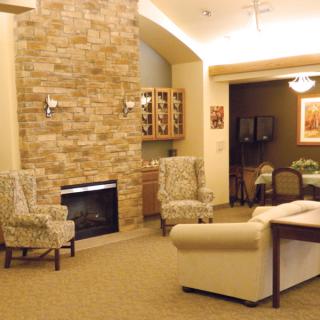
- It is small and cozy with staff that make visitors feel welcome and comfortable.
- The staff make guests feel comfortable and like family, and the team is truly amazing at addressing mental health needs.
- It is definitely recommended for those who need help.
- The rooms are nice and clean and the beds are comfy, with fellow patients forming a supportive community.
- It is a non-hospital, home-like setting that supports healing.
- The staff are cool and professional, with a realistic, caring relationship between staff, doctors, and patients.
Cons
 Most in-house staff were unprofessional and rude.
- The doctor would prescribe or say she was going to prescribe something and then not, or convey information different from what was discussed.
- It was anxiety triggering.
- When the patient asked for PRNs, staff got flustered, asked why, got too personal, and made life hell.
- They would yell at patients for laughing too loud or standing up for themselves, seemingly to crush spirits.
- The staff were always in the office with the door closed and never checked on patients.
- They had their own little clique.
- The driveway wasn't salted, and the reviewer slipped on the street.
- One reviewer described it as not a good place for recovery.
- Another reviewer stated that nothing about the place was good.
Review
North Shores Center in Oscoda, MI is best suited for adults who want a low-stress, home-like setting to stabilize mental health and begin recovery, with a strong emphasis on personal warmth from small-town staff. The environment is consistently described as calm, cozy, and welcoming, making it a viable option for those who fear impersonal hospital floors or rigid schedules. Reviewers repeatedly highlight staff members who make residents feel seen, heard, and genuinely cared for, helping alleviate anxiety and providing a sense of belonging during a difficult transition. In short, this community works best for individuals who value a human-centered approach and a non-institutional atmosphere as part of their healing journey.
Those who may want to consider alternatives are individuals requiring highly structured medical oversight, detailed treatment protocols, or unwavering consistency in staffing and communication. Several reviews point to uneven professionalism among a portion of the in-house team, with patient encounters that feel triggering or inconsistent when it comes to medication management and care directives. For families that insist on a flawless, hospital-grade level of supervision, or for clients who have experienced or fear miscommunication between providers and on-site staff, a different setting, one with clear accountability and a steadier medical leadership, could be a wiser match.
The strongest positives center on the human touch: attentive, compassionate staff who make residents feel welcome and supported, and a living environment that emphasizes warmth over formality. The positive experiences with specific team members create trust and a sense of safety, which can significantly reduce the stress that often accompanies mental health treatment. The non-hospital, home-like setting, paired with realistic, collaborative relationships among staff, doctors, and patients, supports genuine engagement in recovery activities. When these elements align, the result can be meaningful progress and a sense of community that aids ongoing stabilization, even if some operational gaps exist.
On the downside, inconsistencies in staffing and communication pose real challenges. Reports of misaligned prescriptions, unfulfilled promises about treatment plans, and a culture described as cliquish in some offices raise legitimate concerns about reliability and safety. The perception that some staff were overbearing or dismissive, along with friction around PRN medication requests, can heighten anxiety for already vulnerable individuals. A few residents also reference elements that feel unsafe or neglected, such as unsatisfactory handling of daily logistics or safety lapses like an unseasoned driveway environment. These factors do not negate the potential for healing, but they do complicate decisions for those who require steady, predictable care.
For families evaluating options, the decision hinges on balancing emotional warmth and personal attention against clinical consistency and oversight. If the priority is a supportive, non-hospital setting where residents frequently form a cohesive peer network and receive genuine encouragement, North Shores Center offers a compelling path forward. Conversely, if certainty, rigorous medical coordination, and uniformly professional interactions are non-negotiable, exploring alternatives with stronger track records in medical governance would be prudent. Before committing, prospective residents should schedule a thorough tour, meet multiple staff members and current residents, request a clear care plan and medication-management outline, and confirm how concerns are escalated and resolved. A candid discussion about discharge planning, follow-up care, and any red flags can prevent mismatches and set the stage for a successful stay.
 6 resident community capacity
 Assisted Living
 Cable or satellite TV
 Dining room
 Fully furnished
 Garden
 Housekeeping services
 Move-in coordination
 Outdoor space
 Telephone
 Wi-Fi/high-speed internet available
 24-hour supervision
 Activities of daily living assistance
 Assistance with bathing
 Assistance with dressing
 Assistance with transfers
 Diabetes diet
 Meal preparation and service
 Medication management
 Special dietary restrictions
 Transportation arrangement (medical)
 Transportation to doctors appointments




 A Detailed Exploration of Assisted Living Medicaid Waivers Across the United States
 Comprehensive Residential Support and Assisted Living Solutions for Individuals with Disabilities
 Comprehensive Supportive Living Arrangements for Adults with Disabilities