Residents and families describe care that feels truly personal and steady.
Across many reviews, people emphasize that daily support is individualized rather than generic, including help with personal routines and time spent with residents. Several reviews specifically call out the small-group setup and the low resident-to-staff feel, describing frequent one-on-one attention. Families also mention ongoing communication and responsiveness while their loved ones were there, which they say helped them feel reassured.
common18 reviews mention this
Staff compassion and dementia skill
The caregiving is consistently described as compassionate, especially with dementia.
Many reviewers highlight staff who treat residents with kindness and patience, and they describe staff as attentive to both residents and family members. Multiple reviews also mention dementia-focused experience, describing gentle, knowledgeable support and confidence in how memory-related needs were handled. A number of families specifically connect the owner’s nursing background with the level of guidance and follow-through they received.
common9 reviews mention this
Meals are homemade and celebrated
Home-cooked meals come up often as a standout part of life there.
Reviewers repeatedly mention homemade food, with some describing meals as a comfort that helped loved ones maintain appetite and enjoyment. Several reviews also describe celebratory touches around birthdays and holidays that included food and family-style moments. This aligns with the dining approach focused on meals provided and support for special dietary restrictions residents may need.
common14 reviews mention this
Home-like setting stays clean
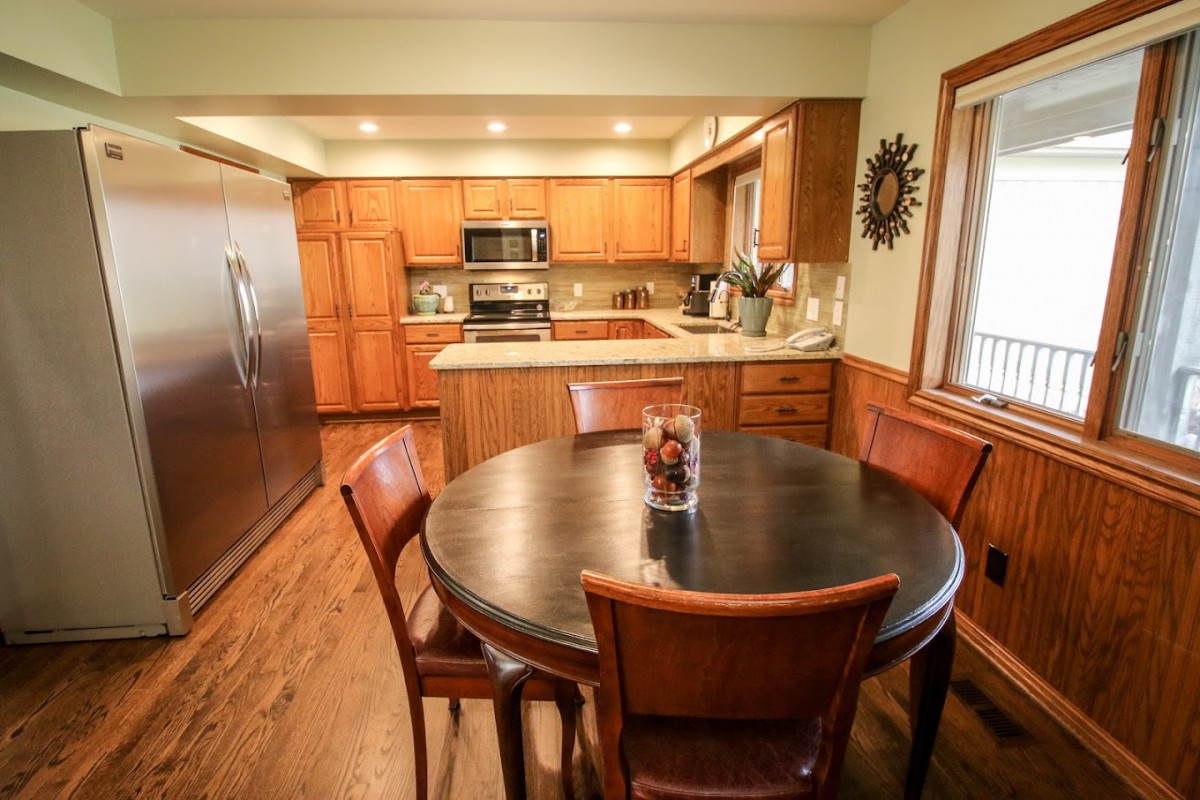
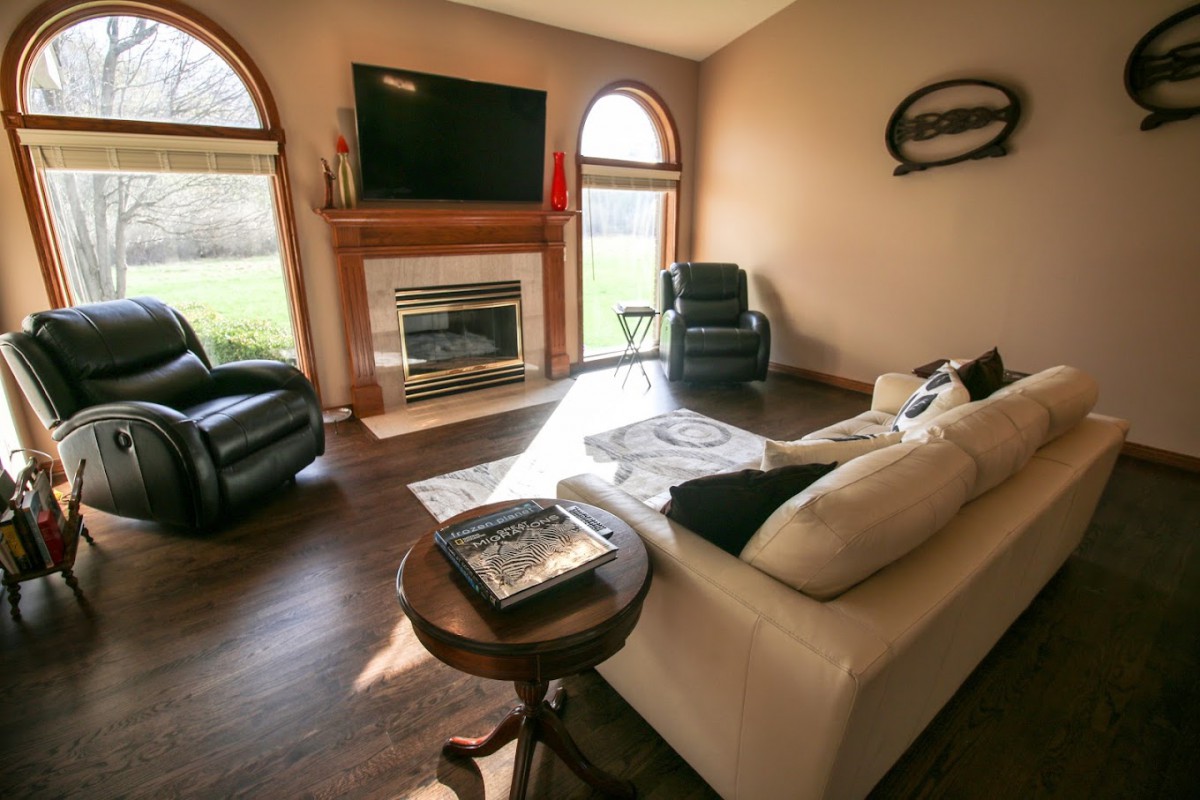
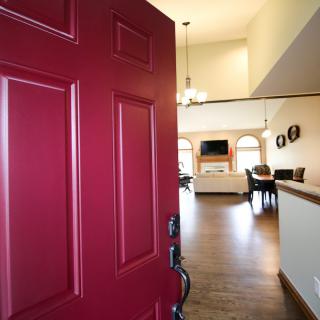
Residents live in a clean, home-like environment people describe as serene.
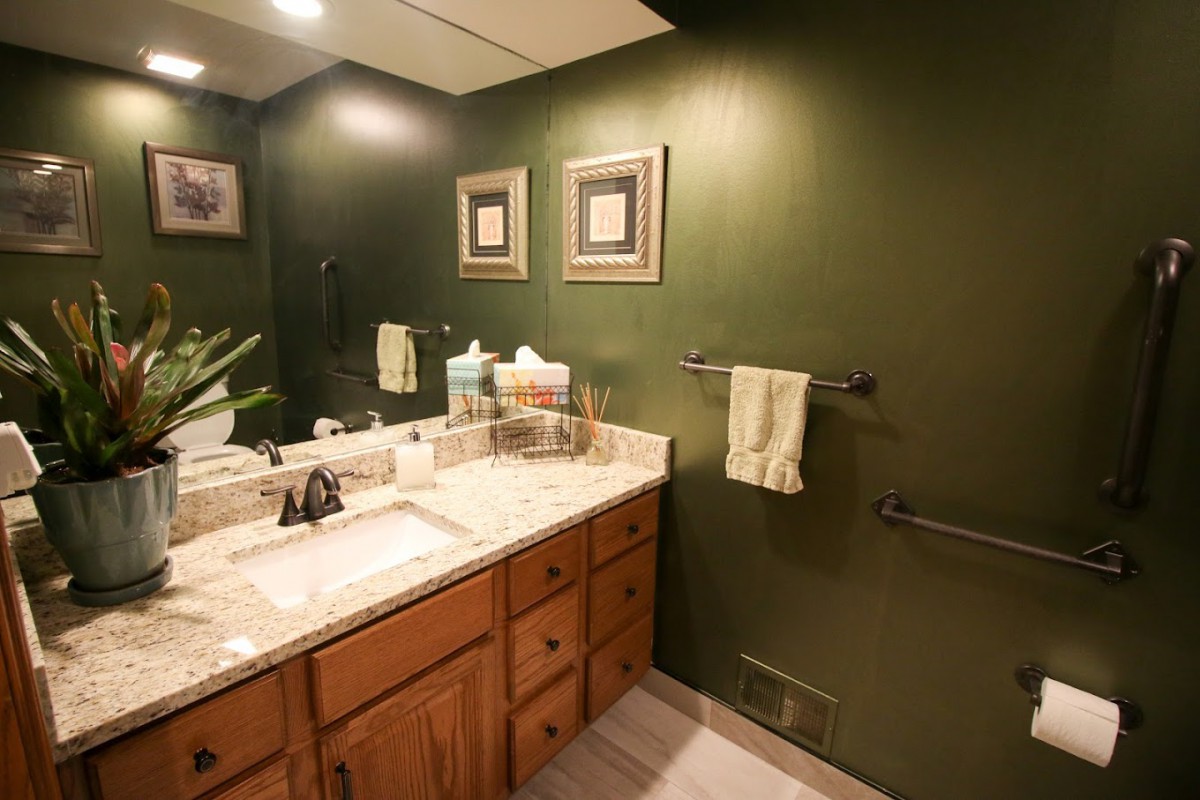
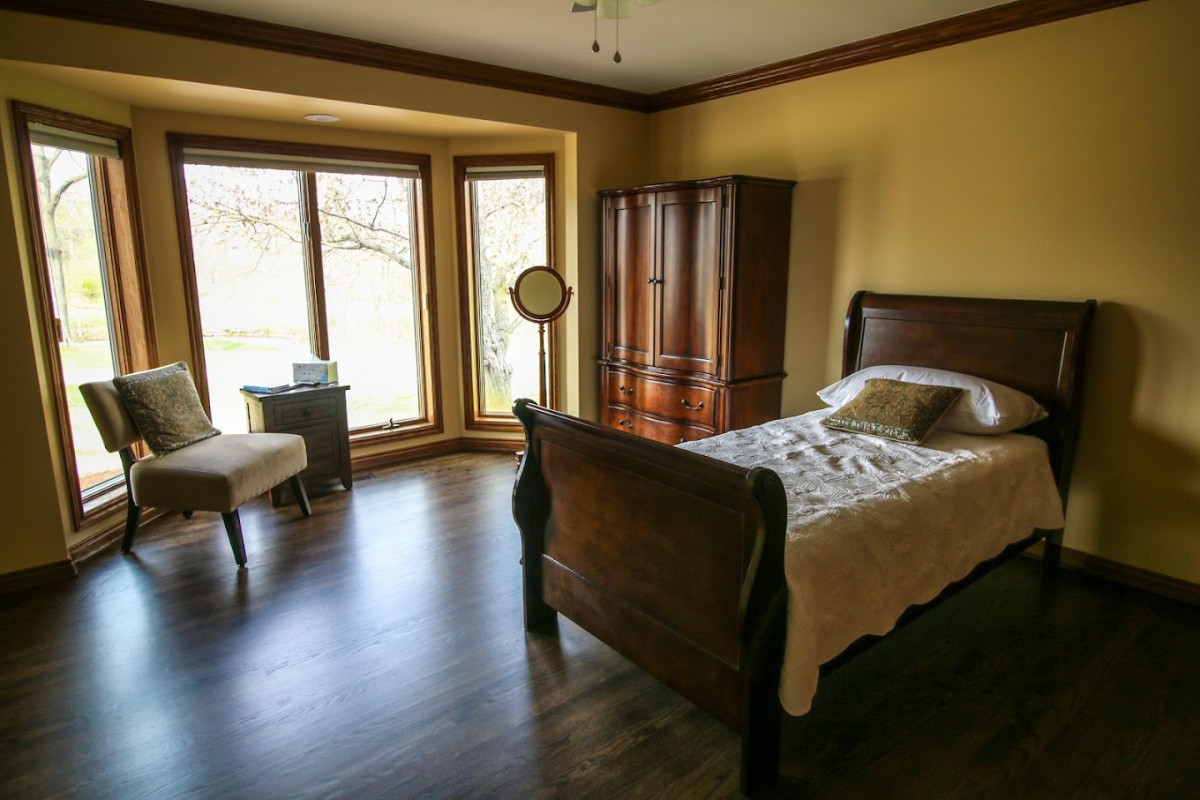
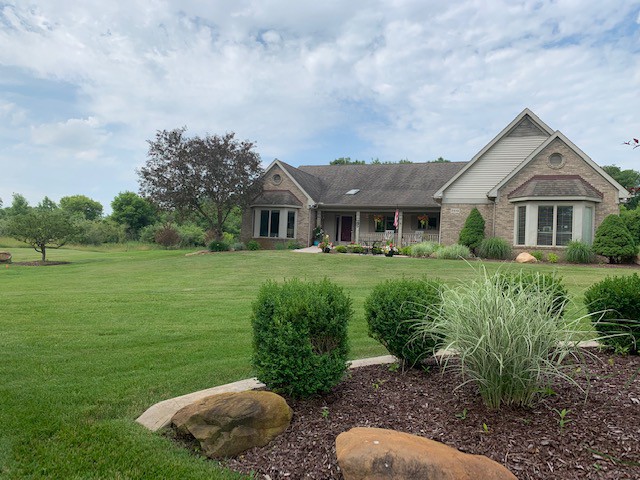
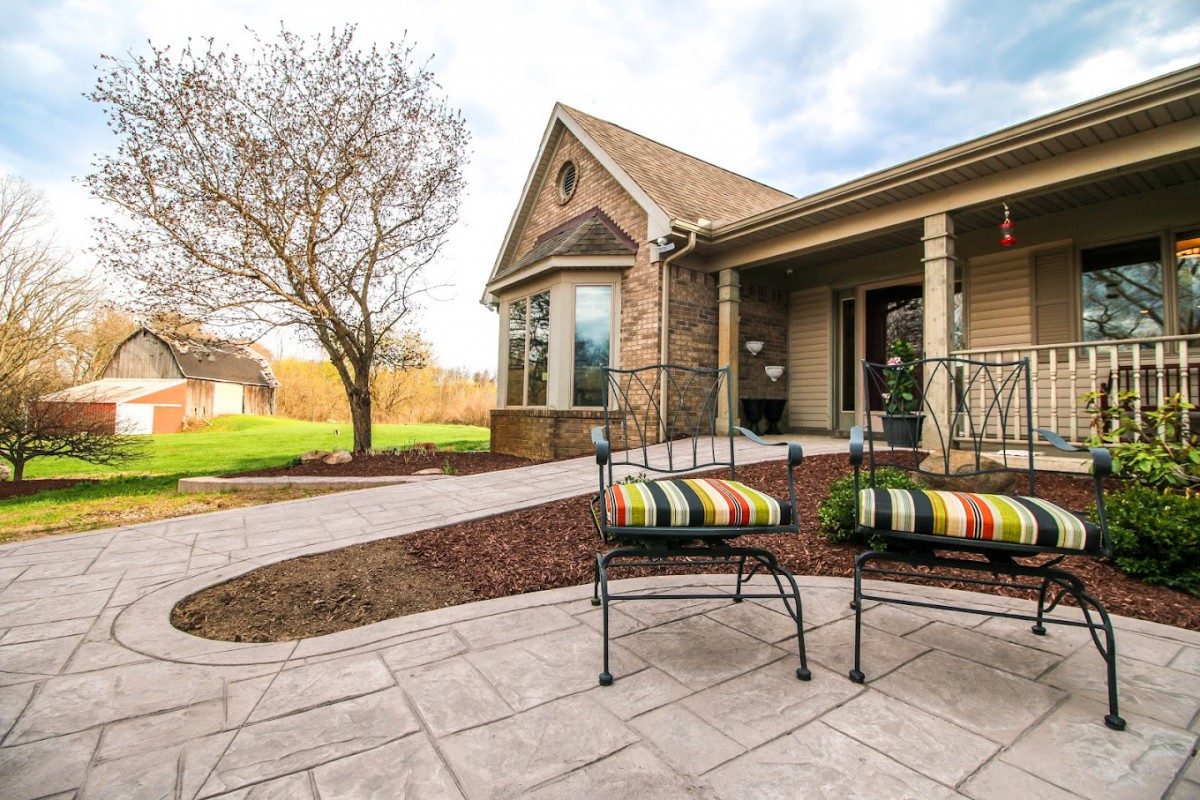
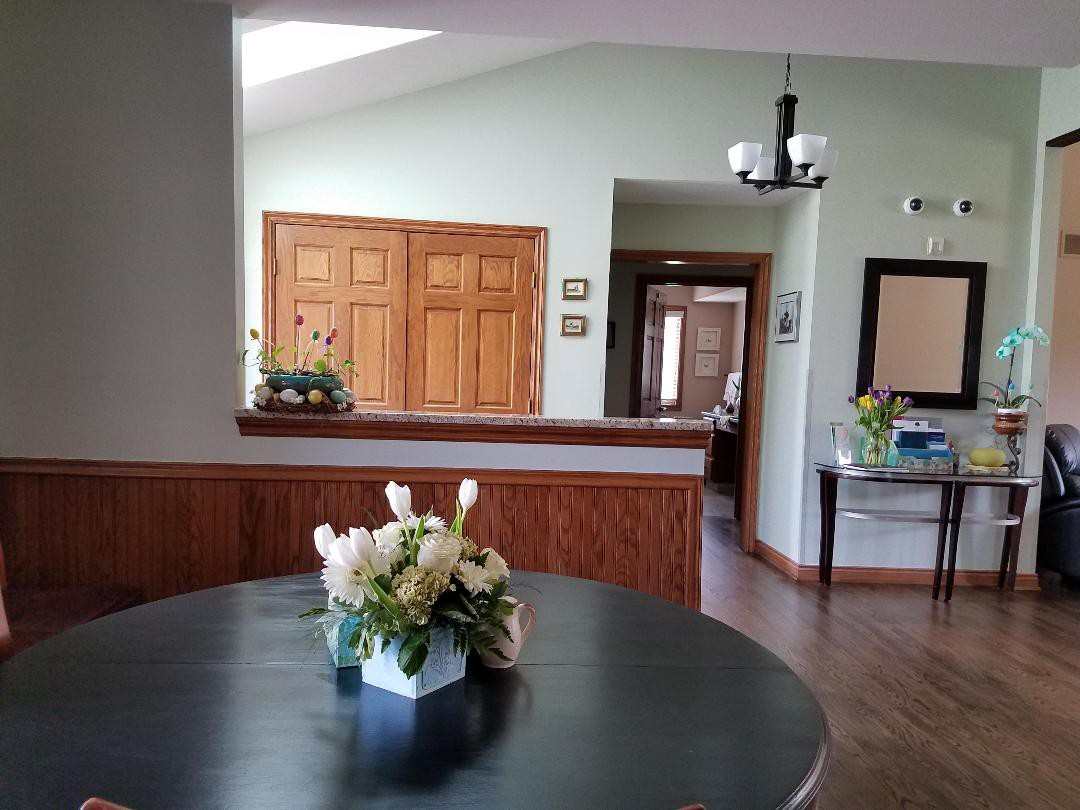
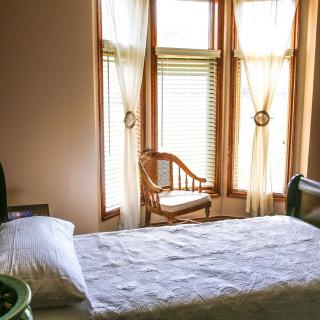
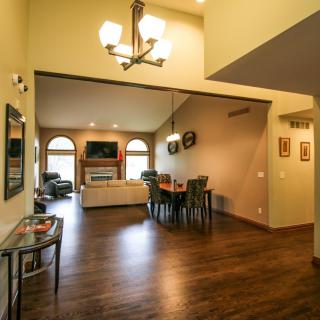
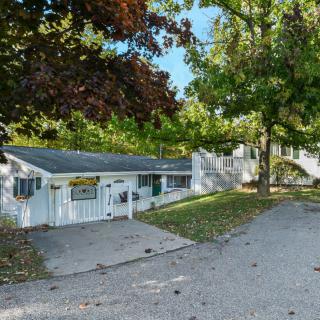
Many reviews talk about the house being immaculate and well-maintained, including crisp cleanliness and a calm, welcoming atmosphere. Families also describe a peaceful, nature-centered setting and a day-to-day routine that feels less institutional. Reviewers frequently connect the environment with peace of mind, saying it helped residents feel settled.
differentiator11 reviews mention this
Hospice transitions supported by staff
Families describe strong support during hospice and end-of-life transitions.
Several reviews mention placing a loved one in hospice or needing increased support at the end of life, and families say the staff handled the transition with care. People frequently describe the owner’s nursing background as part of what gave them confidence, including guidance and responsiveness during hard decisions. Reviews also connect the care approach with comfort, respectful attention, and staying on top of needs like medication management.
How we summarize
Counts show how many written reviews mention each theme; a review can touch several themes, and only frequently mentioned themes are displayed.
Features
Housing
6 resident community capacity
Types of Care
Assisted Living
Amenities
Activities on-site
Cable or satellite TV
Devotional services off-site
Dining room
Fully furnished
Garden
Housekeeping services
Indoor common areas
Move-in coordination
Outdoor space
Telephone
Wi-Fi/high-speed internet available
Care Services
24-hour supervision
Activities of daily living assistance
Ambulatory care
Assistance with bathing
Assistance with dressing
Assistance with transfers
Coordination with health care providers
Diabetes diet
Diabetic care
Meal preparation and service
Medication management
Special dietary restrictions
Transportation arrangement (medical)
Transportation to doctors appointments
Dining
Diabetes diet
Meals provided
Special dietary restrictions
Activities
Activities on-site
Community-sponsored activities
Devotional activities offsite
Scheduled daily activities
Nearby Places of Interest
Restaurants
Burger King (1.6 miles)
Taco Bell (1.8 miles)
McDonald's (1.9 miles)
Rio On Main (2 miles)
Oat Soda (2.1 miles)
Bitter Tom’s Distillery (2.2 miles)
Sagebrush Cantina (2.3 miles)
Physicians
Neighborhood Primary Care (1.6 miles)
Dermatology Center of Lake Orion (1.6 miles)
Orion Family Physicians (1.6 miles)
Sg Pediatrics Of Lake Orion (1.6 miles)
Women's Excellence In Obstetrics & Gynecology (1.7 miles)
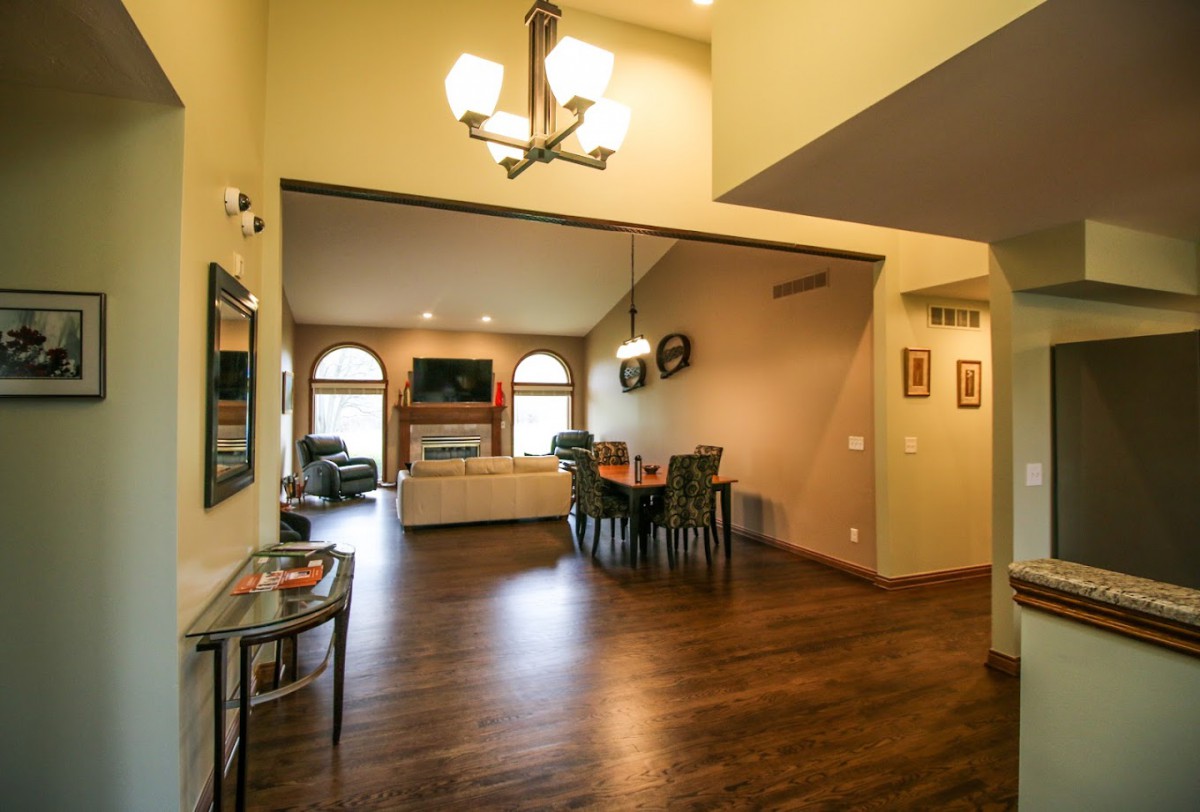
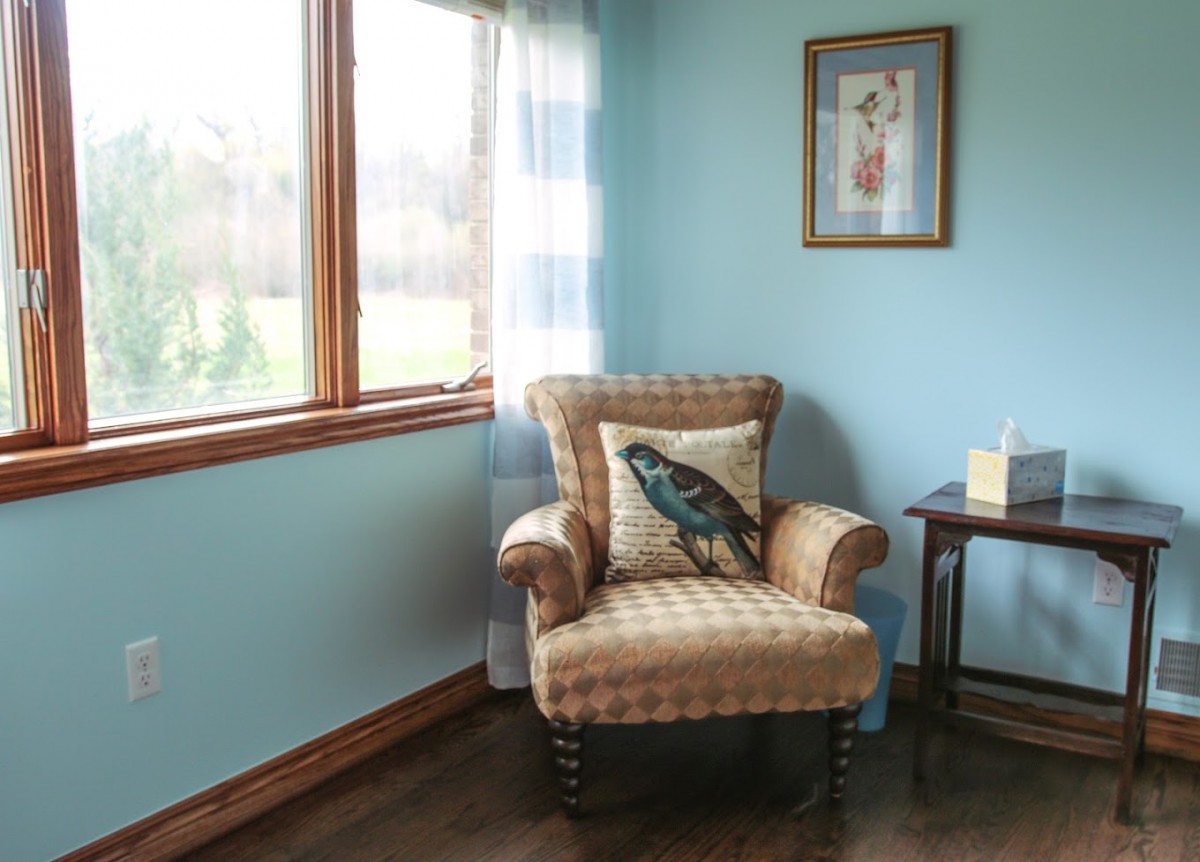
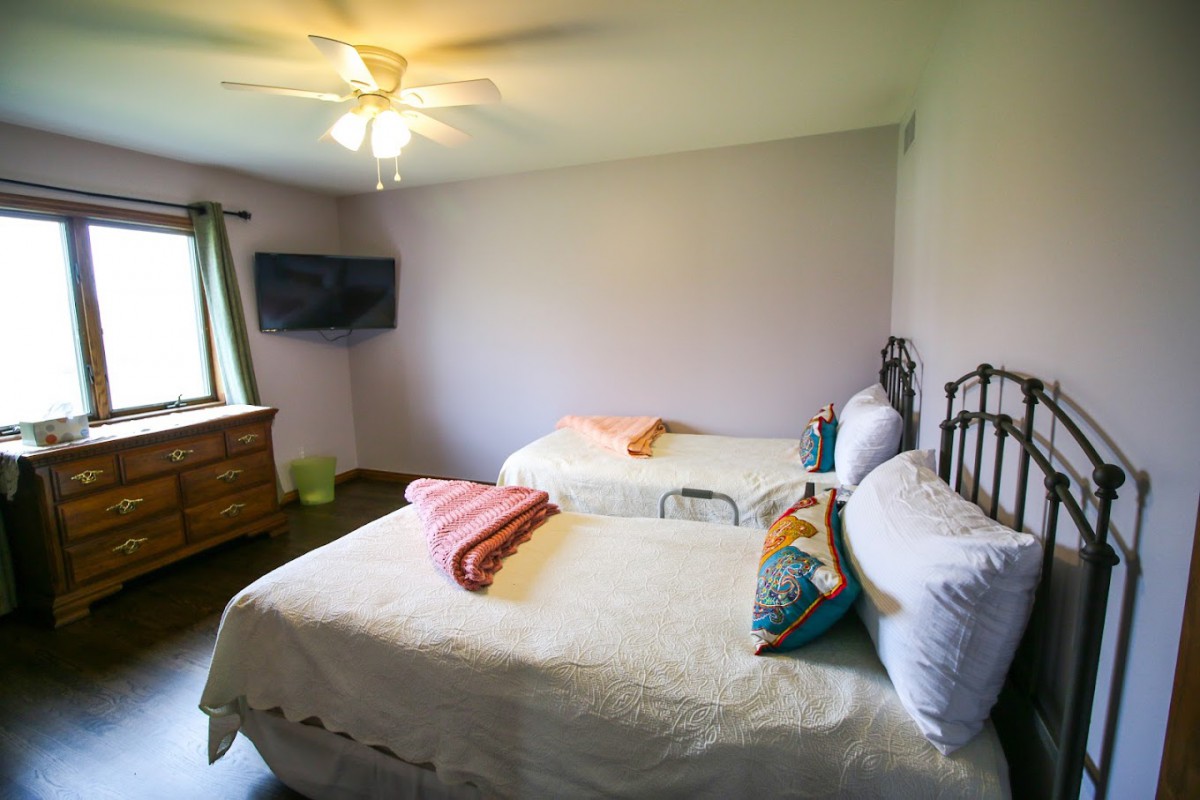
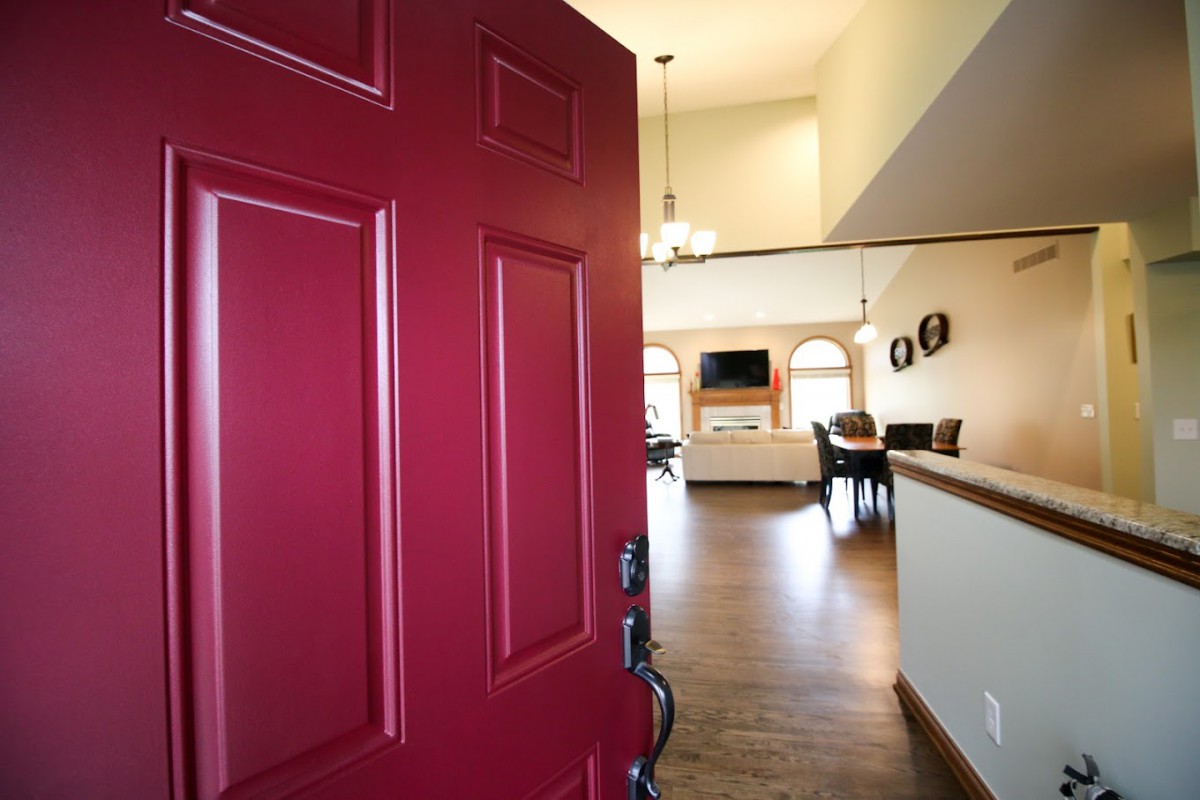
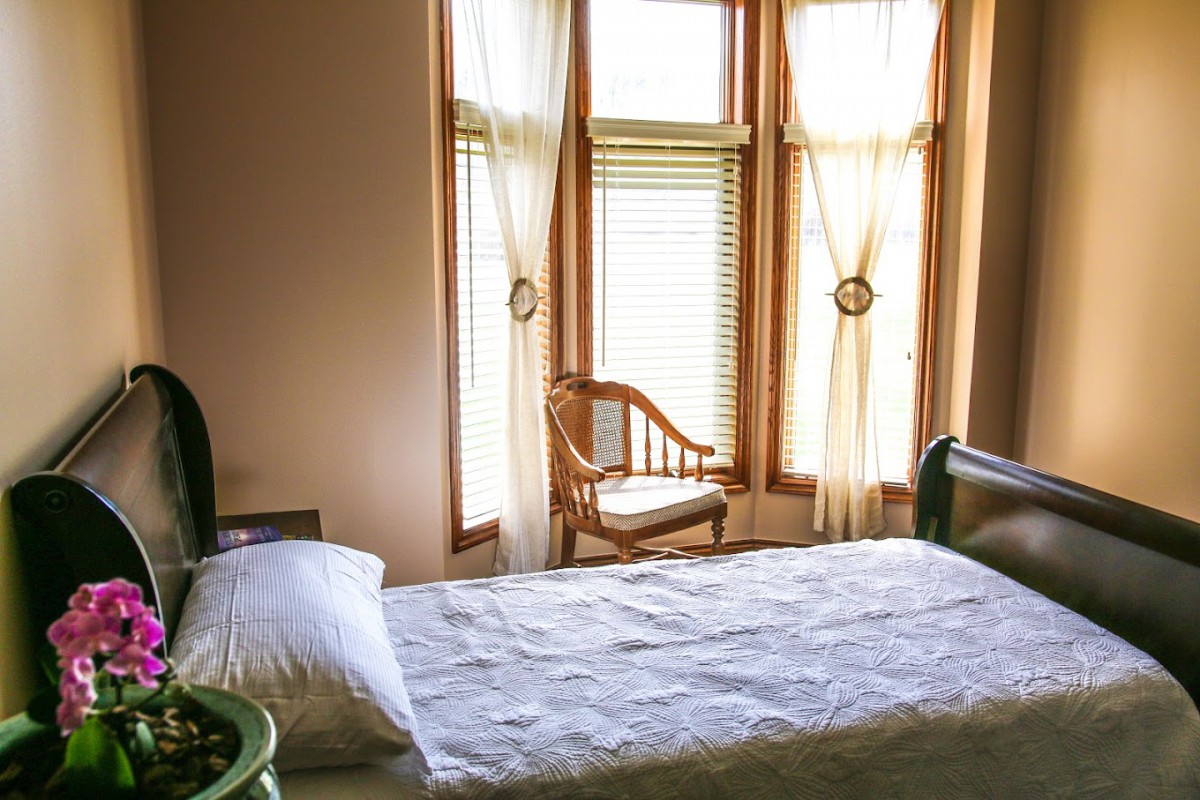
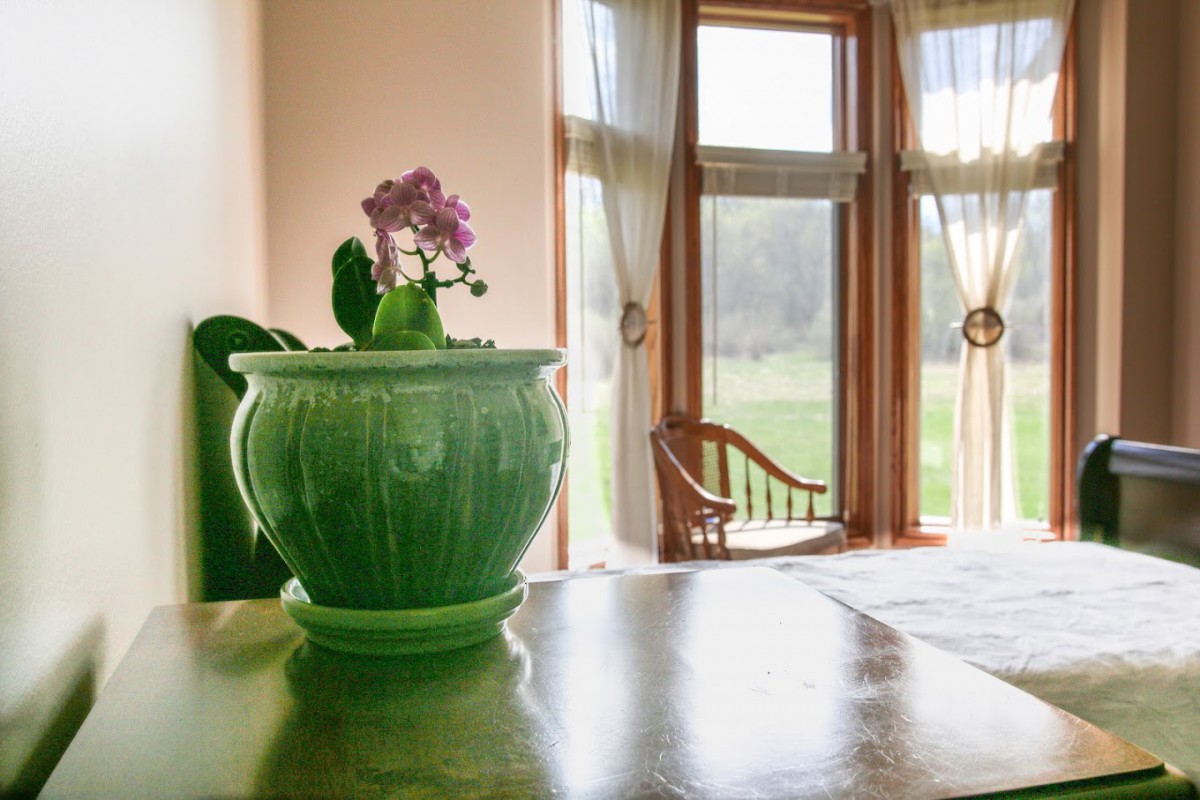
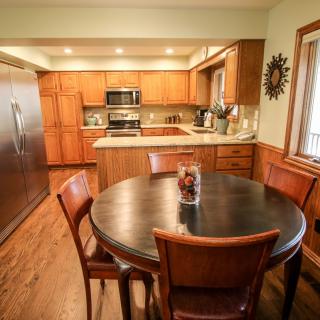
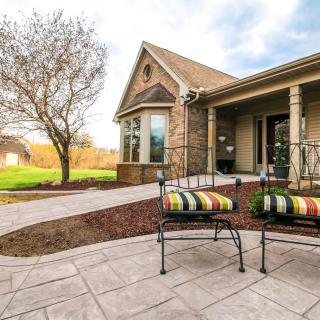
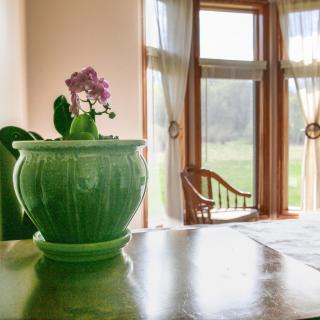
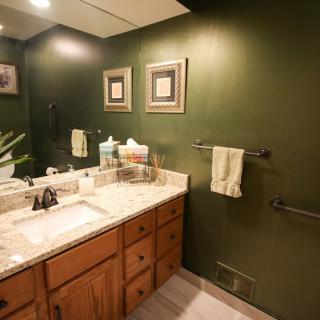
Tendercare on seniors.fyi includes 14 photos including images showing interior, bedroom, windows, living room, landscaping, hardwood floor, natural light, decor, and more.
Nearby Communities
Lake Orion
Lake Orion, MI
Comprehensive care and amenities (24/7 supervision, ADL assistance, medication management, meals, transportation) with fully furnished apartments.
Orion Manor
Lake Orion, MI
4.3 from 10 reviews
$4,500 / month
Kind, caring staff in a warm, homey atmosphere.
Heritage Place
Lake Orion, MI
5 from 3 reviews
Excellent nearby amenities and healthcare access.
Pomeroy Living Orion Assisted & Memory Care
Lake Orion, MI
Specialized memory care programming with 24/7 supervision.
Lake Orion Nursing Center
Lake Orion, MI
4 from 104 reviews
Comprehensive amenities and care options (transportation, mental wellness program, dining, activities) in a furnished, apartment-style setting.
Kern Group Home
Oakland Township, MI
3.5 from 2 reviews
$3,537 / month
Affordable private-room pricing relative to local averages, with fully furnished rooms and comprehensive services.
Caremore of Oxford Assisted Living - Campbell Personal Care Home
Leonard, MI
4.3 from 23 reviews
$2,000 to $3,500 / month
Proximity to loved ones with open visiting hours and compassionate staff who treat residents like family.
Waltonwood Main
Rochester Hills, MI
4.4 from 104 reviews
$3,650 to $7,095 / month
Caring staff in a bright, welcoming community with improved dining and activities.
Colonial Meadows
Pontiac, MI
3.8 from 8 reviews
$630 to $730 / month
Very affordable pricing with strong proximity to amenities (cafes, parks, pharmacies, restaurants, worship, hospital).
Vibrant Senior Living emphasizes active senior living communities that promote independence and engagement through diverse amenities and activities, fostering wellness and social interaction among older adults. These communities range from independent to assisted living, with a focus on personal growth, family involvement, financial planning, and leveraging technology to enhance residents' experiences.
Transitioning from assisted living to memory care is driven by an individual's cognitive decline and specific needs, requiring careful evaluation of indicators like increased confusion and wandering. The process involves consulting medical professionals, researching suitable communities, considering financial and legal aspects, and ensuring effective communication for personalized care plans.
Assisted living provides moderate support for seniors seeking independence, while memory care offers specialized support for individuals with dementia or cognitive impairments through structured routines and trained staff. Key differences include care approaches, environment security measures, staff training levels, activity types, and cost considerations.
Get PricingAsk A QuestionSchedule A TourContact Senior Advisor
By clicking submit, you agree to our Partner's Terms of Use. You
also consent to receive calls and texts, which may be autodialed, from our Partner. Your consent is not a condition to
using our Partner's service. Please visit our Partner's Privacy Policy for information about their privacy practices.







 6 resident community capacity
 Assisted Living
 Activities on-site
 Cable or satellite TV
 Devotional services off-site
 Dining room
 Fully furnished
 Garden
 Housekeeping services
 Indoor common areas
 Move-in coordination
 Outdoor space
 Telephone
 Wi-Fi/high-speed internet available
 24-hour supervision
 Ambulatory care
 Assistance with bathing
 Assistance with dressing
 Assistance with transfers
 Diabetes diet
 Diabetic care
 Meal preparation and service
 Medication management
 Special dietary restrictions
 Transportation arrangement (medical)
 Transportation to doctors appointments
 Comprehensive care and amenities (24/7 supervision, ADL assistance, medication management, meals, transportation) with fully furnished apartments.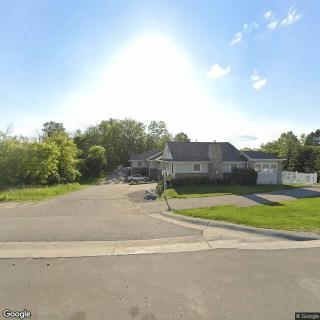
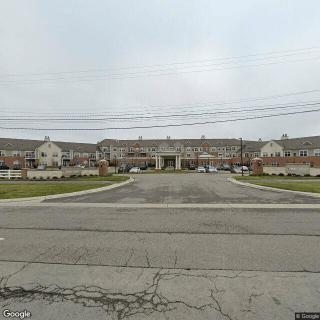



 Vibrant Senior Living: A Comprehensive Guide for Active Older Adults
 When to Transition from Assisted Living to Memory Care: Key Indicators, Steps, and Finding the Right Community
 Assisted Living and Memory Care: Understanding Their Core Differences