At Oakland Haven - Oak Park, the costs for various room types reflect a competitive pricing strategy within the context of both Oakland County and the broader Michigan market. For a semi-private room, residents can expect to pay $3,200 per month, which is slightly below the county average of $3,204 and aligns closely with the state average of $3,191. In terms of private accommodations, Oakland Haven's rate of $4,200 is higher than county and state averages of $3,708 and $3,675 respectively. For those seeking a one-bedroom option, the monthly fee stands at $4,500 - notably above Oakland County's average of $3,507 and Michigan's average of $3,384. Overall, while certain offerings may be priced higher than local averages, they reflect the unique amenities and care levels provided by Oakland Haven - Oak Park.
Floor plans
Oakland Haven - Oak Park
Oakland County
Michigan
Semi-Private
$3,200
$3,204
$3,189
Private
$4,200
$3,708
$3,674
1 Bedroom
$4,500
$3,507
$3,384
Memory care communities with a similar price nearby
Residents describe the facility as clean and organized.
Multiple reviewers comment that the place looks clean and is run in an organized way. One reviewer also highlights the location as “fast” and clean during their visit, reinforcing the same overall impression.
caveat2 reviews mention this
Phone access can be inconsistent
Some reviewers report trouble getting through by phone.
A couple of reviewers say they had difficulty reaching staff by phone, including being put on hold and not getting answers during certain hours. One of these comments also calls out unprofessional behavior when a staff member did answer.
How we summarize
Counts show how many written reviews mention each theme; a review can touch several themes, and only frequently mentioned themes are displayed.
Features
Housing
6 resident community capacity
Types of Care
Assisted Living
Board and Care Home
Memory Care
Amenities
Activities off-site
Activities on-site
Bath tubs
Cable or satellite TV
Devotional services off-site
Dining room
Fully furnished
Garden
Housekeeping services
Indoor common areas
Move-in coordination
Outdoor common areas
Outdoor space
Private
Respite or short term stays offered
Telephone
Wi-Fi/high-speed internet available
Transportation
Detroit Metropolitan-Wayne County (19 miles away)
Care Services
24-hour supervision
Activities of daily living assistance
Assistance with bathing
Assistance with dressing
Assistance with transfers
Coordination with health care providers
Diabetes diet
Diabetic care
High acuity care
Incontinence care
Meal preparation and service
Medication management
Special dietary restrictions
Transportation arrangement (medical)
Transportation to doctors appointments
Dining
Diabetes diet
Meals provided
Special dietary restrictions
Vegetarian
Activities
Activities off-site
Activities on-site
Community-sponsored activities
Devotional activities offsite
Scheduled daily activities
Nearby Places of Interest
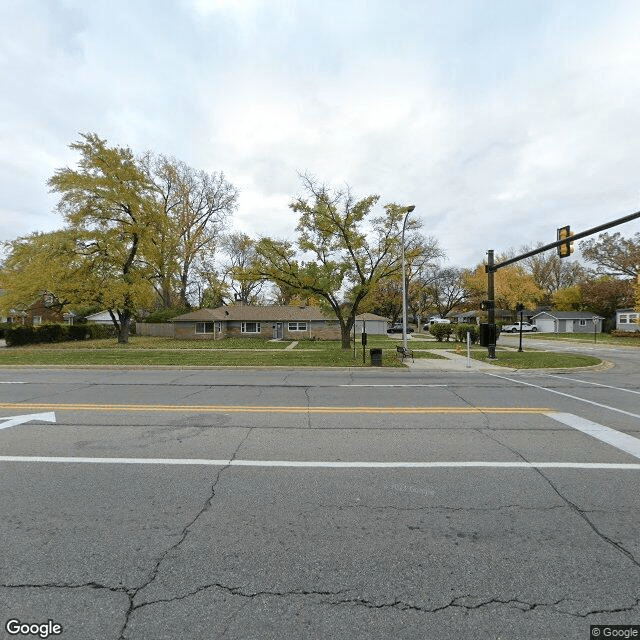
This part of Oak Park, Michigan offers a convenient location with easy access to pharmacies, physicians, cafes, restaurants, theaters, parks, and hospitals. With multiple CVS Pharmacy and Rite Aid locations nearby, as well as various dining options including McDonald's and local breweries like Urbanrest Brewing Company, residents have plenty of choices for their everyday needs. The area is also home to medical centers such as Be Well Medical Center and Royal Oak Pediatrics PC for convenient healthcare options. Additionally, there are several parks where seniors can enjoy outdoor activities and relaxation. Close proximity to hospitals like Botsford Hospital and Henry Ford Hospital provides peace of mind for senior residents in terms of access to quality medical care when needed. Overall, this part of Oak Park offers a mix of amenities and services that cater to the needs of older individuals looking for a comfortable living environment.
At Oakland Haven - Oak Park, the costs for various room types reflect a competitive pricing strategy within the context of both Oakland County and the broader Michigan market. For a semi-private room, residents can expect to pay $3,200 per month, which is slightly below the county average of $3,204 and aligns closely with the state average of $3,191. In terms of private accommodations, Oakland Haven's rate of $4,200 is higher than county and state averages of $3,708 and $3,675 respectively. For those seeking a one-bedroom option, the monthly fee stands at $4,500 - notably above Oakland County's average of $3,507 and Michigan's average of $3,384. Overall, while certain offerings may be priced higher than local averages, they reflect the unique amenities and care levels provided by Oakland Haven - Oak Park.
The features offered at Oakland Haven - Oak Park play a vital role in supporting residents with dementia or Alzheimer's disease by ensuring their safety, comfort, and overall well-being. The 24-hour supervision provides constant monitoring to prevent wandering and ensure immediate assistance if needed, while help with activities of daily living, such as bathing and dressing, promotes dignity and personal hygiene. Assistance with transfers facilitates mobility and reduces the risk of falls, contributing to residents' physical safety. Coordination with health care providers enables tailored medical oversight that addresses individual health needs, while incontinence care ensures dignity and minimizes discomfort. Meal preparation and service cater not only to dietary requirements but also foster social engagement during mealtimes. Medication management is essential for adhering to treatment regimens, preventing potential health complications associated with missed doses. Furthermore, transportation arrangements for medical appointments ensure residents can access necessary healthcare services without added stress or disruption. Together, these features create a structured environment conducive to promoting quality of life for individuals facing memory challenges.
Nearby Communities
Five Star Residential
Oak Park, MI
5 from 13 reviews
Fully furnished apartments with dining, housekeeping, 24/7 supervision, ADL support, and medical transport.
The transition from assisted living to skilled nursing care is often prompted by complex medical needs that assisted living cannot meet, with key indicators including frequent health declines, increased falls, severe memory issues, and caregiver burnout. Families should recognize these signs early to discuss options with healthcare providers and prepare for the emotional and logistical aspects of moving to a facility that offers comprehensive medical support.
Dementia is characterized by cognitive decline, with nutrition playing a vital role in brain health; while no specific diet can prevent or reverse it, a nutrient-dense diet rich in antioxidants and healthy fats may support cognitive function. The MIND diet, which emphasizes beneficial foods and limits processed items, along with proper hydration and individualized meal strategies, can enhance the well-being of dementia patients.
Dementia affects memory and cognitive function in older adults, presenting challenges for caregivers due to behavioral changes such as confusion and mood swings. Compassionate, person-centered care that considers individual history and preferences, along with effective communication and environmental modifications, is essential for supporting both patients and their caregivers.
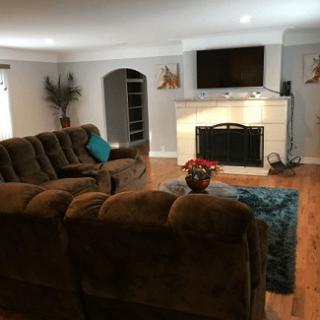
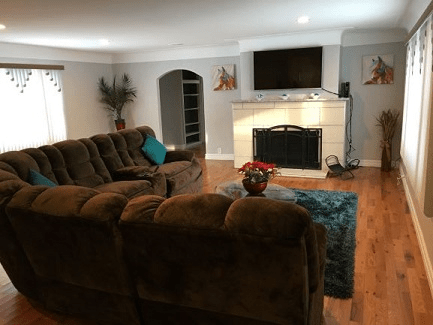
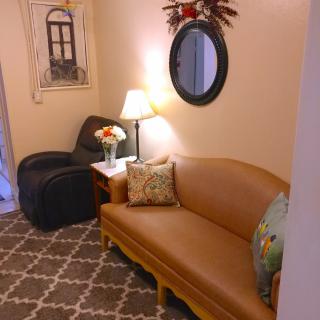
Interior, Decor, Living Room, Television, and Fireplace
Get PricingAsk A QuestionSchedule A TourContact Senior Advisor
By clicking submit, you agree to our Partner's Terms of Use. You
also consent to receive calls and texts, which may be autodialed, from our Partner. Your consent is not a condition to
using our Partner's service. Please visit our Partner's Privacy Policy for information about their privacy practices.


 6 resident community capacity
 Assisted Living
 Board and Care Home
 Memory Care
 Activities off-site
 Bath tubs
 Cable or satellite TV
 Devotional services off-site
 Dining room
 Fully furnished
 Garden
 Housekeeping services
 Indoor common areas
 Move-in coordination
 Outdoor common areas
 Private
 Respite or short term stays offered
 Telephone
 Wi-Fi/high-speed internet available
 Detroit Metropolitan-Wayne County (19 miles away)
 24-hour supervision
 Assistance with bathing
 Assistance with dressing
 Assistance with transfers
 Diabetes diet
 Diabetic care
 High acuity care
 Incontinence care
 Meal preparation and service
 Medication management
 Special dietary restrictions
 Transportation arrangement (medical)
 Transportation to doctors appointments
 Fully furnished apartments with dining, housekeeping, 24/7 supervision, ADL support, and medical transport.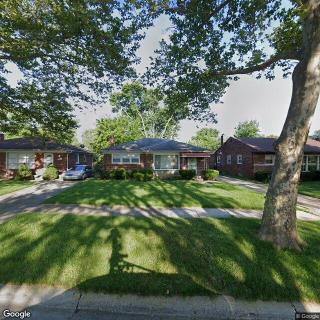

 8 Key Indicators That Suggest It May Be Time to Transition from Assisted Living to Skilled Nursing Care
 Nourishing the Mind: Essential Dietary Approaches for Dementia
 Understanding Dementia Behaviors: Practical Insights and Strategies for Caregivers