The Flower House in Nashville, MI

Save

The Flower House in Nashville, MI

9950 South Clark Road, Nashville, MI 49073

For more information about senior living options: (844) 490-3973

5 from 27 reviews
5 stars
27
4 stars
0
3 stars
0
2 stars
0
1 stars
0

Assisted Living Board and Care Home Memory Care

Overall Review of The Flower House

Pros

  • pro The staff and atmosphere at The Flower House are great.
  • pro The care provided is described as the best anywhere.
  • pro Sydney and the team pour their heart and soul into resident care.
  • pro The Flower House welcomes visitors with a warm, home-like atmosphere.
  • pro The staff are amazing and genuinely care about the residents.
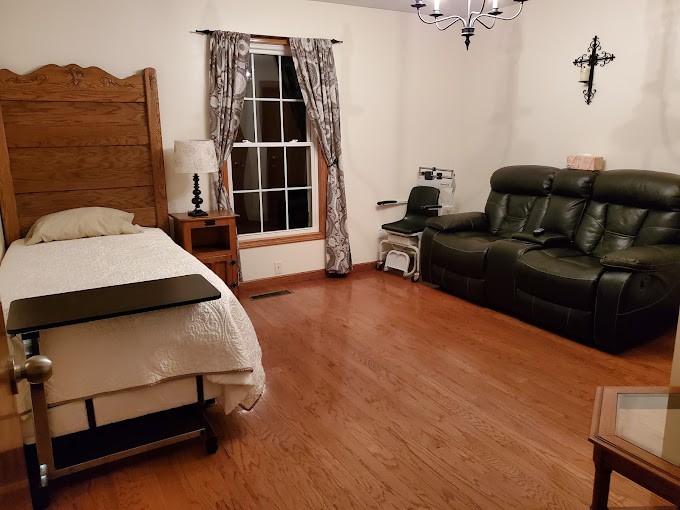
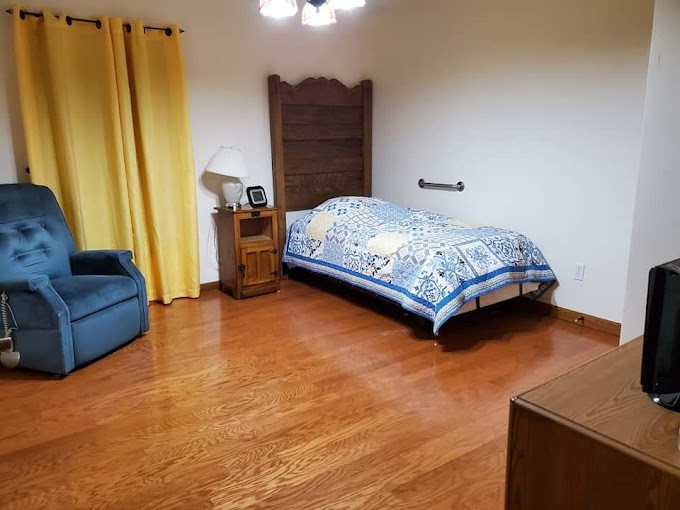
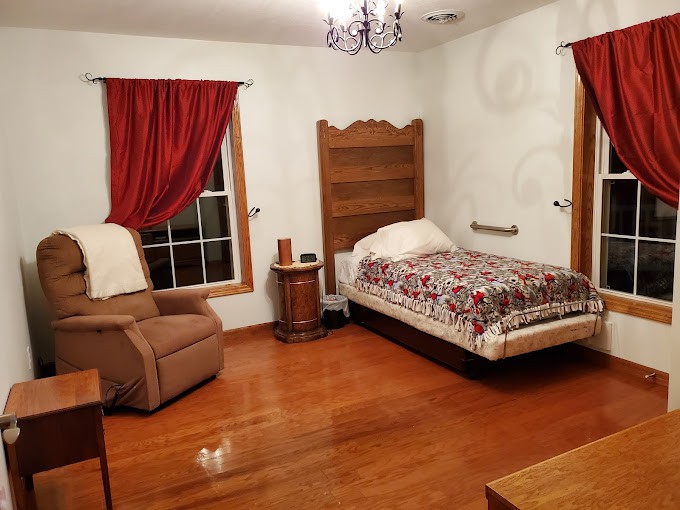
  • pro The facility is very clean, inviting, and feels like a home.
  • pro The owners are amazing, friendly, and always smiling.
  • pro Residents are treated with dignity, kindness, and respect, like family.

Review

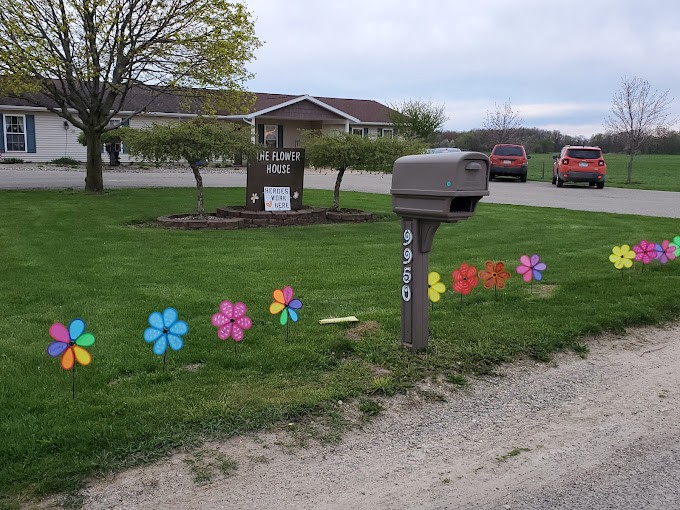
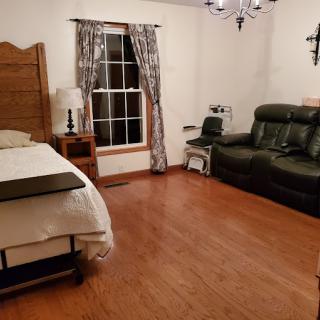
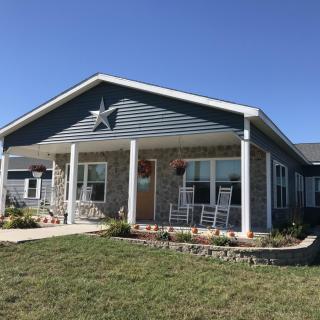
The Flower House in Nashville, Michigan is best suited for families seeking an intimate, home-like senior living option where residents are known by name and care feels personal rather than procedural. The small footprint - approximately 14 residents in one account - creates a calm, private environment that emphasizes dignity, safety, and everyday warmth. It is especially appealing to seniors who value quiet routines, meaningful engagement, and staff who treat daily life as a relationship, not a checklist. The decor and layout reinforce a sense of "home," not a clinical corridor, which matters for mood, sleep, and overall well-being.

Those weighing alternatives should consider options if a larger campus with broader medical resources or more specialized programming is a priority. For families needing intensive clinical oversight, memory-care specialization, or a robust social calendar, bigger assisted living communities can deliver coordinated medical care and a wider array of activities. The Flower House's intimate scale can feel limiting for residents who require frequent clinical interventions, rapid transitions to hospital services, or extensive on-site services. In short, it is well-suited for life with warmth and personal attention, but may fall short for those seeking a high-volume, highly medicalized environment.

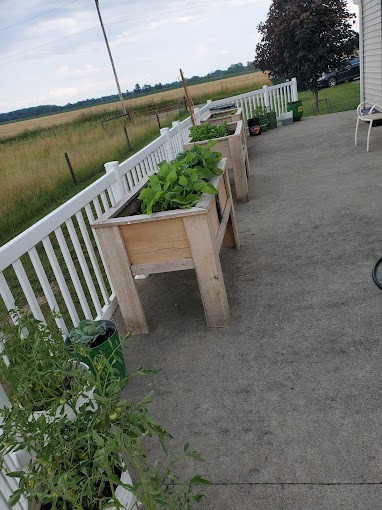
The pros are compelling and cohesively reinforce each other. Staff consistently demonstrate genuine care, with remarks about personal attention and respect for each resident's dignity. The environment is clean, welcoming, and distinctly non-institutional, a featureset reinforced by practical amenities like a beauty salon, common living areas, and regular, engaging activities such as coloring, games, and light recreation. Leadership in the community is repeatedly described as accessible, enthusiastic, and hands-on, contributing to a culture where residents feel like family. The surrounding grounds - flowers, farmland, and serene views - enhance mood and provide natural cues for calm and orientation, a subtle but powerful contributor to well-being.

Yet the small size introduces considerations that families should verify directly. The trade-off for intimacy can be fewer on-site medical resources and less depth in specialized programs. Prospective residents should confirm what level of medical oversight is available, how complex needs (mobility challenges, wound care, or memory-care support) are managed, and how hospice or hospital transitions are coordinated if required. The rural setting, while peaceful, may pose practical challenges for families needing quick access to hospitals or frequent specialist visits. Finally, the public feedback does not spell out every pricing tier or room option, so direct conversations are essential to avoid surprises and ensure the plan aligns with anticipated care needs.

The positive qualities of The Flower House offset these potential drawbacks through a demonstrated commitment to personalized care. The intimate scale enables rapid, responsive staffing and highly individualized routines, which markedly reduce anxiety and promote stability. Residents often report feeling seen and respected, with bonds among residents and with caregivers that resemble a close-knit family. Cleanliness and a non-clinical atmosphere lower stress and support social participation, while the owners' approachable leadership reinforces trust and continuity of care. In practice, these factors create a daily experience where emotional security and humane treatment carry as much weight as formal programming.

Bottom-line guidance: The Flower House is a compelling choice for families prioritizing warmth, dignity, and a home-like daily rhythm over a larger, more hospital-like setting. It stands out for seniors who thrive on intimate engagement, steady caregiving, and a sense of belonging that extends beyond the walls of a facility. For those requiring extensive clinical services, memory-care specialization, or a wide network of on-site amenities, it is prudent to explore alternatives and verify how care coordination is handled, what specific services can be provided on-site, and how costs are structured. A thoughtful visit focusing on staff interactions, resident routines, and clarity around care plans will reveal whether this small, intimate community aligns with the resident's needs and the family's expectations.

Features

Housing

  • 15 resident community capacity 15 resident community capacity

Types of Care

  • Assisted Living Assisted LivingAssisted living facilities provide crucial support and care for seniors who may need help with daily tasks such as medication management, bathing, and meal preparation. These communities offer a safe and comfortable environment where seniors can maintain their independence while receiving the assistance they need to thrive in their golden years.
  • Board and Care Home Board and Care HomeBoard and care homes provide a smaller, more intimate setting for seniors who require assistance with daily tasks but do not need the level of care offered by a nursing home. They offer personalized care, meals, and social activities in a homelike environment, ensuring that seniors receive individualized attention and support in their golden years.
  • Memory Care Memory CareMemory care is crucial for seniors as it provides specialized support and services for individuals with dementia or Alzheimer's disease. These programs offer a safe and secure environment where residents receive personalized care, cognitive stimulation, and help with daily activities. Memory care helps seniors maintain their independence, quality of life, and dignity while also providing peace of mind for their families.

Amenities

  • Cable or satellite TV Cable or satellite TVCable or satellite TV is important for seniors because it provides entertainment, news, and companionship, helping to combat loneliness and boredom. It also offers a wide range of programming options tailored to different interests and preferences.
  • Dining room Dining roomDining rooms are important for seniors as they provide a space for socialization, connection, and nutritious meals. They offer opportunities for residents to bond over shared meals, foster a sense of community, and promote healthy eating habits. Dining rooms also ensure that seniors have access to well-balanced meals tailored to their dietary needs and preferences.
  • Fully furnished Fully furnishedFully furnished senior living communities are important for seniors because they provide convenience, comfort, and a hassle-free moving experience. Seniors can easily settle into their new living space without the stress of having to buy and move furniture. This allows them to focus on enjoying their new home and community.
  • Garden GardenGardens are important for seniors as they provide a peaceful and therapeutic environment for relaxation, physical activity, and socialization. Being in nature has been shown to reduce stress, improve mood, and promote overall well-being. Gardens also offer opportunities for seniors to engage in gardening activities, which can improve mobility, flexibility, and cognitive function. Additionally, gardens create a sense of community and connection with others who share a passion for plants and outdoor spaces.
  • Housekeeping services Housekeeping servicesHousekeeping services are important for seniors because they help maintain a clean and safe living environment, promote independence, and reduce the risk of accidents or illnesses. Additionally, having assistance with household chores can alleviate physical strain and allow seniors to focus on other aspects of their well-being.
  • Move-in coordination Move-in coordinationMove-in coordination is important for seniors because it helps ease the transition into their new living environment. It ensures that all logistics, such as packing, organizing movers, and setting up utilities are taken care of, allowing seniors to focus on settling in and adjusting to their new home. Having a smooth move-in process can alleviate stress and anxiety, making the transition smoother and more enjoyable for seniors.
  • Outdoor space Outdoor spaceOutdoor spaces are important for seniors as they provide opportunities for physical activity, social interaction, exposure to natural light and fresh air, and a sense of connection to nature. Having access to outdoor spaces can improve overall well-being and quality of life for older adults living in senior communities.
  • Telephone TelephoneTelephones are important for seniors as they provide a lifeline for communication with loved ones, emergency services, and healthcare providers. They offer a sense of security and independence, enabling seniors to stay connected and access assistance when needed.
  • Wi-Fi/high-speed internet available Wi-Fi/high-speed internet availableWi-Fi/high-speed internet is important for seniors to stay connected with loved ones, access online resources, and participate in virtual activities to combat feelings of loneliness and isolation. It also allows them to easily manage healthcare needs, access entertainment, and engage in lifelong learning opportunities.

Care Services

  • 24-hour supervision 24-hour supervision24-hour supervision is important for seniors to ensure their safety, well-being, and access to immediate assistance in case of emergencies or health issues. This constant support provides peace of mind for both seniors and their loved ones, allowing them to age in place with dignity and security.
  • Activities of daily living assistance Activities of daily living assistanceActivities of daily living assistance are important for seniors because they provide essential support with tasks such as eating, bathing, dressing, and mobility. This assistance helps seniors maintain their independence, dignity, and overall quality of life as they age.
  • Assistance with bathing Assistance with bathingAssistance with bathing is crucial for seniors as it helps maintain personal hygiene, prevents infections, and ensures their overall well-being and comfort. It also provides a sense of dignity and independence for seniors who may struggle with this task on their own.
  • Assistance with dressing Assistance with dressingAssistance with dressing is important for seniors because it helps maintain their independence, promotes personal hygiene, prevents accidents and injuries, and improves overall quality of life. This service ensures that seniors can continue to dress comfortably and confidently, despite any physical limitations they may have.
  • Assistance with transfers Assistance with transfersAssistance with transfers is crucial for seniors as it helps prevent falls and injuries, maintains their independence, and ensures they can safely navigate their living environment. It also provides peace of mind for both seniors and their loved ones.
  • Coordination with health care providers Coordination with health care providersCoordination with health care providers is crucial for seniors to ensure proper medical care, medication management, and overall well-being. This collaboration helps prevent overlapping treatments, track progress more effectively, and provide comprehensive support tailored to individual needs.
  • Dementia waiver Dementia waiverDementia waivers are essential for seniors as they provide critical protections and accommodations for those experiencing cognitive decline. These waivers ensure individuals with dementia receive appropriate care, support, and resources to maintain their quality of life and dignity as they navigate the challenges of this progressive condition.
  • Diabetes diet Diabetes dietA diabetes diet is crucial for seniors as it helps manage blood sugar levels, reduce risks of complications, and improve overall health and well-being. By following a balanced and nutritious diet tailored to their specific needs, seniors can better control their diabetes and enhance their quality of life.
  • Hospice waiver Hospice waiverHospice waivers are important for seniors because they allow individuals to receive specialized end-of-life care and support at home or in a hospice facility. This waiver ensures that seniors can access the necessary resources and services to maintain comfort and dignity during their final days.
  • Meal preparation and service Meal preparation and serviceMeal preparation and service are crucial for seniors as they may have limited mobility or energy to cook nutritious meals. Having access to healthy and convenient food options can ensure they are getting the proper nutrition needed to maintain their overall health and well-being.
  • Medication management Medication managementMedication management is crucial for seniors to ensure they are taking the right medications at the correct dosages and times. This helps prevent adverse drug interactions, reduces the risk of medication errors, and promotes overall health and well-being. Proactive management also allows for adjustments as needed based on changing health conditions or new prescriptions.
  • Mental wellness program Mental wellness programMental wellness programs are essential for seniors as they promote cognitive stimulation, emotional support, and social engagement. These programs help prevent isolation, depression, and cognitive decline, ultimately enhancing the overall quality of life for older adults.
  • Mild cognitive impairment Mild cognitive impairment"Mild cognitive impairment" is important for seniors because it is an early stage of cognitive decline that can potentially progress to more severe conditions such as dementia. Recognizing and addressing mild cognitive impairment can help seniors receive appropriate care and support to maintain their quality of life and independence for as long as possible.
  • Special dietary restrictions Special dietary restrictionsSpecial dietary restrictions are important for seniors because age-related changes in metabolism and health conditions can make it difficult for their bodies to process certain foods. By following a diet tailored to their specific needs, seniors can maintain their overall health and well-being, manage chronic conditions, and reduce the risk of complications such as malnutrition or food interactions with medications.
  • Specialized memory care programming Specialized memory care programmingSpecialized memory care programming is crucial for seniors with cognitive impairments such as dementia or Alzheimer's disease. These programs provide a safe and supportive environment tailored to the unique needs of individuals with memory loss, helping them maintain their independence, dignity, and quality of life.
  • Transportation arrangement (medical) Transportation arrangement (medical)Transportation arrangements for medical purposes are essential for seniors as they may have difficulty driving themselves to appointments or accessing public transportation. Having reliable and safe transportation options ensures that seniors can receive timely medical care and maintain their health and well-being.
  • Transportation to doctors appointments Transportation to doctors appointmentsTransportation to doctors' appointments is crucial for seniors as it ensures they have access to necessary medical care and support for their health needs. Without reliable transportation, seniors may struggle to attend important appointments, leading to potential delays in treatment and health complications. Providing transportation services helps seniors maintain their overall well-being and quality of life.
Dining

  • Diabetes diet Diabetes dietA diabetes diet is crucial for seniors as it helps manage blood sugar levels, reduce risks of complications, and improve overall health and well-being. By following a balanced and nutritious diet tailored to their specific needs, seniors can better control their diabetes and enhance their quality of life.
  • Special dietary restrictions Special dietary restrictionsSpecial dietary restrictions are important for seniors because age-related changes in metabolism and health conditions can make it difficult for their bodies to process certain foods. By following a diet tailored to their specific needs, seniors can maintain their overall health and well-being, manage chronic conditions, and reduce the risk of complications such as malnutrition or food interactions with medications.

Activities

  • Community-sponsored activities Community-sponsored activitiesCommunity-sponsored activities are important for seniors as they provide opportunities for social interaction, mental stimulation, and physical activity. These activities can help improve overall well-being, combat loneliness and isolation, and promote a sense of belonging and purpose among older adults.
  • Scheduled daily activities Scheduled daily activitiesScheduled daily activities are important for seniors because they provide structure, socialization, mental stimulation, and physical activity. Engaging in regular activities can improve overall well-being and quality of life for seniors living in a community setting.

Description

The Flower House in Nashville, MI is an assisted living community that offers board and care home services as well as memory care. The community provides a range of amenities to ensure the comfort and convenience of its residents, including a dining room, fully furnished accommodations, a garden, housekeeping services, move-in coordination assistance, outdoor space for relaxation and recreation, telephone access, and Wi-Fi/high-speed internet connectivity.

Care services at The Flower House include assistance with activities of daily living such as bathing, dressing, and transfers. The community also helps coordinate with healthcare providers to ensure comprehensive care for its residents. Those with dementia or mild cognitive impairment can benefit from specialized memory care programming and dementia waivers. The community also offers assistance tailored to individuals with diabetes by providing special diets. Additionally, there is a mental wellness program available to support the emotional well-being of residents.

Residents can enjoy delicious meals prepared by the staff at The Flower House while catering to their specific dietary restrictions. Scheduled daily activities are organized to provide social engagement and promote an active lifestyle within the community.

Transportation arrangements are available for medical purposes as well as transportation to doctors' appointments. With a wide range of nearby restaurants, residents have convenient options if they choose to dine out.

Overall, The Flower House offers a comfortable and supportive environment for seniors in need of assistance with daily tasks or memory care services.

Nearby Places of Interest

Restaurants

  • Mooville Creamery (4.2 miles)
  • Bellevue Drive-In (5.7 miles)
  • Subway (6.4 miles)
  • American Stall (7.1 miles)
  • Maple Leaf Inn (8.9 miles)
  • Wild Mike's (10.1 miles)
  • Wendy's (11.9 miles)

Parks

  • Washington Park (5.8 miles)
  • Putnam Park (6.9 miles)
  • Hastings Riverwalk (12.8 miles)
  • Lincoln Park (13.1 miles)
  • Bennett Park (13.5 miles)
  • Leila Arboretum Society (13.5 miles)

Physicians

  • Oaklawn Medical Group (5.9 miles)
  • Oaklawn Medical Group-Olivet (9.7 miles)
  • Kidney Health Clinic (12.5 miles)
  • Nephrology Center (12.6 miles)
  • Southside Pediatrics (12.8 miles)
  • TLC Eyecare & Laser Centers (13 miles)
  • Critical Care Pulmonary Medicine PC (13 miles)

Pharmacies

  • Hometown Pharmacy (5.9 miles)
  • Maple Valley Pharmacy (6.6 miles)
  • Mace Pharmacy (6.6 miles)
  • Family Fare Supermarkets (11.7 miles)
  • Rite Aid (12.5 miles)
  • Walgreens (12.6 miles)
  • Walgreens (12.7 miles)

Places of Worship

  • First Baptist Church (6 miles)
  • West Carmel Congregational Church (8.6 miles)
  • Drug Rehab Olivet (9.9 miles)
  • Hope United Methodist Church (11.5 miles)
  • General Conference Of Seventh-Day Adventists (12.1 miles)
  • Grace Brethren Bible Church (12.4 miles)
  • Bethlehem Temple-Pentecostal Church (12.8 miles)

Hospitals

  • Marshall Internal & Family Medicine (9.7 miles)
  • Davita of Battle Creek (12.5 miles)
  • Bronson Battle Creek MRI Department (12.9 miles)
  • Battle Creek Health System Main Campus (13 miles)
  • Bronson Battle Creek Hospital (13.1 miles)
  • Bronson Battle Creek Asthma Education Services (13.1 miles)
  • Bronson Battle Creek Hospital (13.1 miles)

Cafes

  • Sunset Acres (12.1 miles)
  • Evelyn Bay Coffee (13.6 miles)
  • State Grounds Coffee House (13.7 miles)

Transportation

  • U-Haul Moving & Storage (13.3 miles)

Frequently Asked Questions

Where is The Flower House?
Does The Flower House provide care for residents with dementia or Alzheimer's disease?
What photos are available for The Flower House in Nashville, Michigan?

Nearby Communities

  • Stoneridge AFC

    Stoneridge AFC

    Bellevue, MI

    4.2 from 18 reviews
    $2,800 to $3,400 / month

    pro Intimate, small setting with professional, caring staff delivering personalized care.


  • Danbury Apartments

    Danbury Apartments

    Bellevue, MI


    pro Nearby healthcare, pharmacies, parks, and dining in a quiet Bellevue setting.

  • Chickadee Ridge Adult Foster Care

    Chickadee Ridge Adult Foster Care

    Bellevue, MI


    pro Intimate, home-like setting with furnished rooms, dining room, garden, and comprehensive assisted living services.

  • Assisted Living W. Drive North

    Assisted Living W. Drive North

    Bellevue, MI

    3 from 4 reviews
     

    pro Pleasant country setting with gardens and safety features reported by families.

  • Hicks Home

    Hicks Home

    Charlotte, MI


    pro Small, fully furnished assisted living with personalized care and comprehensive services.

  • Golden Moments

    Golden Moments

    Hastings, MI


    pro Specialized diabetic care and off-site devotional services.

  • Thornapple Manor

    Thornapple Manor

    Hastings, MI

    3.8 from 32 reviews
     

    pro Specialized memory-care focus with caring staff, engaging activities, and private, safe accommodations.

  • NorthPointe Woods

    NorthPointe Woods

    Battle Creek, MI

    4.7 from 87 reviews
    $2,319 to $4,413 / month

    pro Friendly, responsive staff with well-maintained facilities and engaging activities.

  • Springview Tower

    Springview Tower

    Battle Creek, MI

    3 from 25 reviews
    $536 / month

    pro Active management working to improve the community; convenient location with on-site services.

Related Resources

  • when to move from assisted living to nursing home8 Key Indicators That Suggest It May Be Time to Transition from Assisted Living to Skilled Nursing Care

    The transition from assisted living to skilled nursing care is often prompted by complex medical needs that assisted living cannot meet, with key indicators including frequent health declines, increased falls, severe memory issues, and caregiver burnout. Families should recognize these signs early to discuss options with healthcare providers and prepare for the emotional and logistical aspects of moving to a facility that offers comprehensive medical support.

  • best foods for dementia patients to eatNourishing the Mind: Essential Dietary Approaches for Dementia

    Dementia is characterized by cognitive decline, with nutrition playing a vital role in brain health; while no specific diet can prevent or reverse it, a nutrient-dense diet rich in antioxidants and healthy fats may support cognitive function. The MIND diet, which emphasizes beneficial foods and limits processed items, along with proper hydration and individualized meal strategies, can enhance the well-being of dementia patients.

  • dementia behaviorsUnderstanding Dementia Behaviors: Practical Insights and Strategies for Caregivers


    Dementia affects memory and cognitive function in older adults, presenting challenges for caregivers due to behavioral changes such as confusion and mood swings. Compassionate, person-centered care that considers individual history and preferences, along with effective communication and environmental modifications, is essential for supporting both patients and their caregivers.