
1775 Seminole Road, Norton Shores, MI 49441
For more information about senior living options: (866) 208-4318
Overall Review of Graceland
Pros
 The staff is helpful and attentive to all residents’ needs, with regular check-ins.
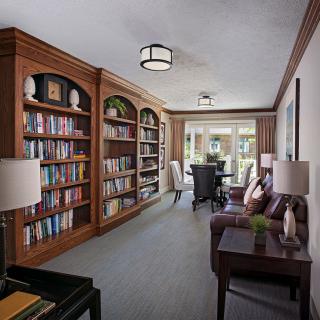
 - The facility is bright, cheerful, and clean, and residents are happy with a lively lunchroom.
- Families are glad their loved ones are at Seminole Shores, with closer proximity and frequent visits.
- Mom’s room is comfortable and well furnished, with items provided and decor handled as requested.
- Move-in is easy thanks to guided directions from the staff and a welcoming activity director.
- The care is loving and compassionate, with top-notch staff and open communication.
Cons
 The facility is severely understaffed.
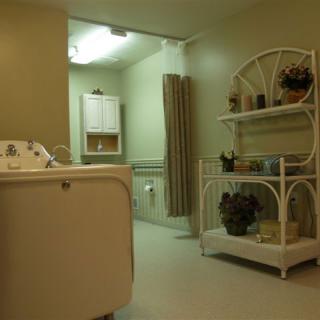
- The jacuzzi tub shown on the tour is never used.
- The office staff are rude and unhelpful.
- They do not take proper care of residents, leading to health issues like UTIs.
- There is very poor management by Candy B, and some staff are unfriendly and rough with residents.
- Complaints are ignored.
Review
This community is best suited for families who want a bright, home-like atmosphere with a strong social heartbeat and easy family involvement. It works well for seniors who value clean surroundings, approachable staff, and a straightforward move-in experience that minimizes friction during transition. The environment rewards regular visits, shared meals, and participation in activities, making it especially attractive to those who prioritize companionship, accessible dining options, and clear, frequent communication about daily life. For seniors who flourish in a community where friends and staff are visible and available, this option provides a practical, well-rounded housing and care solution.
Those who should consider alternatives are primarily the families who demand unwavering administrative consistency and flawless day-to-day operations. Several reviews flag mixed experiences with management and office staff, including instances described as curt or unresponsive. Understaffing is cited as a persistent concern in some accounts, with potential implications for timely assistance, attention to hygiene, and routine caregiving tasks. For families with zero tolerance for service variability or who require highly predictable, door-to-door reliability from leadership, it makes sense to compare with other nearby communities that demonstrate steadier staffing patterns and more consistent administrative follow-through.
On balance, the strongest pros lie in the lived experience: a facility that feels bright, clean, and welcoming; residents who appear engaged and content; staff who are described as kind, approachable, and easy to work with; and a calendar of activities that keeps people connected and energized. Move-in experiences are consistently reported as smooth, with staff guiding new residents through entry points, room setup, and a welcome that makes settling in feel manageable. The dining environment, ample menu choices and a social, bustling lunchroom, enhances daily life and helps new residents integrate quickly. Memory care is clearly integrated into the community’s layout, offering safety while preserving a sense of familiar, home-like living.
Yet the negatives cannot be ignored. Reports of understaffing and uneven care suggest that some days may feel understaffed relative to resident needs, potentially affecting the timeliness and quality of certain tasks. A handful of reviewers mention rude interactions with office personnel and limited engagement beyond essential care. Specific maintenance concerns, such as delayed cleaning of showers or lapses in routine cleaning, point to process gaps that can erode trust if not addressed. These factors matter because they shape a family’s confidence in the facility’s promise and influence daily quality of life, especially for residents who rely on consistent assistance.
From a cultural standpoint, the experience hinges on the cadence of care. When staff are consistently warm, competent, and present, families gain reassurance from open communication and visible attentiveness. In contrast, when care delivery or administrative interactions feel inconsistent, even a pleasant physical setting can feel less reliable. The memory-care environment adds another layer of importance: safety protocols must be paired with steady, compassionate staffing to avoid unsettling moments for residents and families. Taken together, the environment can feel like a welcoming home that supports independence and social connection, provided staffing and management reliability meet expectations.
The practical path forward is clear. Prospective families should conduct a deliberate tour focused on real-time staff-resident interactions, observe activity programming, and question current staffing ratios across shifts. Request transparent answers about housekeeping schedules, frequency of room and shower cleaning, and how care plans adapt as needs evolve. If proximity to family and a vibrant social scene are non-negotiables, this community delivers a compelling balance of warmth and practicality. If, however, a hard line on consistent staffing levels and friction-free administration is essential, it is prudent to explore alternatives with stronger, more uniform track records. In the right circumstances, this community can be the right fit, with clear expectations and ongoing oversight to maintain the fit over time.
 6 resident community capacity
 Assisted Living
 Cable or satellite TV
 Dining room
 Fully furnished
 Garden
 Housekeeping services
 Move-in coordination
 Outdoor space
 Telephone
 Wi-Fi/high-speed internet available
 Muskegon County (3 miles away)
 24-hour supervision
 Activities of daily living assistance
 Assistance with bathing
 Assistance with dressing
 Assistance with transfers
 Diabetes diet
 Meal preparation and service
 Medication management
 Special dietary restrictions
 Transportation arrangement (medical)
 Transportation to doctors appointments


 Understanding the True Cost of Assisted Living in 2025: A Comprehensive Guide
 Understanding Medicaid Coverage for Assisted Living: A Comprehensive Guide
 How and When Medicaid May Cover Assisted Living Costs