
6832 Post Road, Montague, MI 49437
For more information about senior living options: (866) 208-4318
Priority Adult Foster Care Costs & Pricing
The costs associated with Priority Adult Foster Care in Oceana County reflect a nuanced landscape when compared to both county and state averages. At a monthly rate of $3,150 for a private room in Priority Adult Foster Care, individuals benefit from a more economical option relative to the average cost of $5,597 in Oceana County and $3,675 across Michigan. This pricing structure underscores both the affordability and the quality of care available through Priority Adult Foster Care, making it an attractive choice for those seeking supportive living arrangements that prioritize individual needs without straining financial resources excessively. As such, this model provides not only necessary care but also represents a thoughtful approach to balancing quality and cost within the sphere of senior services.
| Floor plans | Priority Adult Foster Care | Oceana County | Michigan |
|---|---|---|---|
| Private | $3,150 | $5,597 | $3,674 |
Assisted Living communities with a similar price nearby
-
About the same
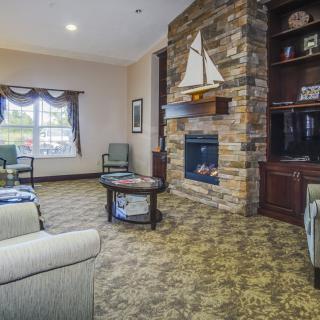
White Lake Assisted Living & Memory Care
$3,215 to $4,360 / month4.5 miles away -
from -$125 / mo
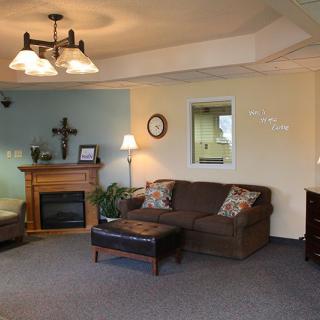
Christian Care Assisted Living
$3,025 to $3,525 / month16.9 miles away -
About the same

Seminole Shores Living Center
$3,150 / month17.8 miles away -
from -$150 / mo
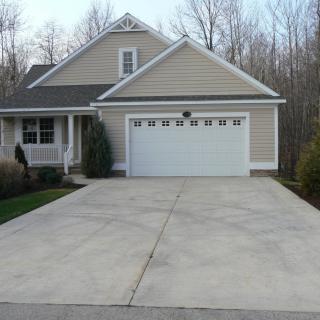
Spring Lake Compassionate Living
$3,000 to $3,500 / month23.7 miles away -
from +$525 / mo

Fountain View Retirement Village of Fremont
$3,675 / month24.2 miles away
Overall Review of Priority Adult Foster Care
Pros
 Parkview is regarded as easily the best AFC home in the state.
- The loving care given to each and every resident at Parkview is priceless.
- The team at Parkview provides a wonderful home filled with compassion, love, fun, and caring.
- Parkview goes out of its way to see the whole person and support residents in living their best lives.
- Parkview adds to the community through love.
Review
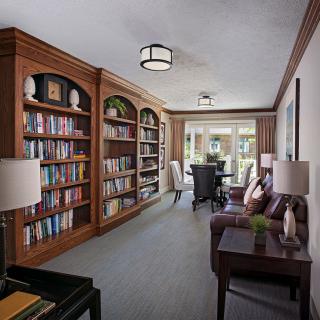
Priority Adult Foster Care in Montague is best suited for families seeking a small, home-like environment where residents are known personally, not as numbers, and where care feels intimate and purpose-driven. This community shines for older adults who want daily companionship, meaningful activities, and a steady routine that resembles family life more than a clinical setting. It is especially strong for residents who need help with daily tasks but do not require a hospital-like level of on-site medical management. The environment supports a sense of belonging, with staff ready to tailor plans to individual interests and histories, creating a living experience that can feel like an extended family.
Those who should consider alternatives are those with high medical complexity or dementia requiring specialized memory-care protocols. If a loved one needs round-the-clock nursing on-site, frequent therapeutic interventions, or highly structured medical oversight, a larger facility with more extensive clinical staffing is typically a safer fit. Families prioritizing privacy, more spacious accommodations, or a broader array of in-house programs might also prefer a bigger setting. In short, when the priority is intensive medical continuity and a wide continuum of care under one roof, it’s prudent to explore other options.
The strongest upside is the care ethos: compassionate, loving, and wholly focused on the resident as a person. Staff take the time to know histories, preferences, and daily rhythms, then weave those into activities, conversations, and routines that foster engagement and joy. This is a place where residents drift into conversations that matter to them, where caregivers celebrate small wins, and where the overall atmosphere conveys trust and stability. Families repeatedly report that residents are affectionate, settled, and demonstrably happier in daily life, with staff who invest themselves in helping each person live their best life.
The practical offset to the relatively small, home-centered model is seen in the daily, hands-on attention and rapid responsiveness. The intimate setting allows caregivers to observe subtle changes in mood or health, adjust schedules quickly, and coordinate with external healthcare providers without heavy bureaucracy. While there may be fewer on-site specialists or advanced medical services than a larger facility, the personal touch often translates into fewer avoidable crises and a smoother, more predictable daily experience. This is the core trade-off families should weigh: intimate engagement and warmth versus expansive clinical resources.
Decision-makers should assess how much daily medical support their loved one truly needs and how important social connectedness and routine are to their well-being. If the resident thrives on purposeful programming and constant human interaction, Priority Adult Foster Care delivers with genuine conviction. If independence is relatively high and safety requires continuous nursing oversight, or if dementia care demands specialized environmental cues and trained memory-care staff, an alternative with broader clinical capabilities may be more appropriate. Prospective families should drill into staffing patterns, medication administration processes, and partnerships with external medical providers, then observe a shift and speak with current residents and families to gauge fit.
Ultimately, Priority Adult Foster Care stands out as a top choice for families seeking a principled, heartfelt, small-community experience in Montague. The consistent praise for warmth, individualized attention, and a sense of family life supports confident recommendations for those who value dignity, connection, and purposeful living over institutional scale. The five-star sentiment reflected in the reviews is earned through real-world outcomes: residents who feel known, engaged, and cared for. For those aligned with this care model, the path is straightforward: favor a visit, confirm the level of medical support available, and verify that the culture matches the expectations for daily life, safety, and ongoing well-being.
 6 resident community capacity
 Assisted Living
 Cable or satellite TV
 Dining room
 Fully furnished
 Garden
 Housekeeping services
 Move-in coordination
 Outdoor space
 Telephone
 Wi-Fi/high-speed internet available
 Muskegon County (20 miles away)
 24-hour supervision
 Activities of daily living assistance
 Assistance with bathing
 Assistance with dressing
 Assistance with transfers
 Diabetes diet
 Meal preparation and service
 Medication management
 Special dietary restrictions
 Transportation arrangement (medical)
 Transportation to doctors appointments

 Securing Financial Support for Assisted Living: A Comprehensive Overview
 Social Security Benefits and Assisted Living: Navigating Options Across the U.S.
 An Extensive Exploration of the VA Aid and Attendance Benefit