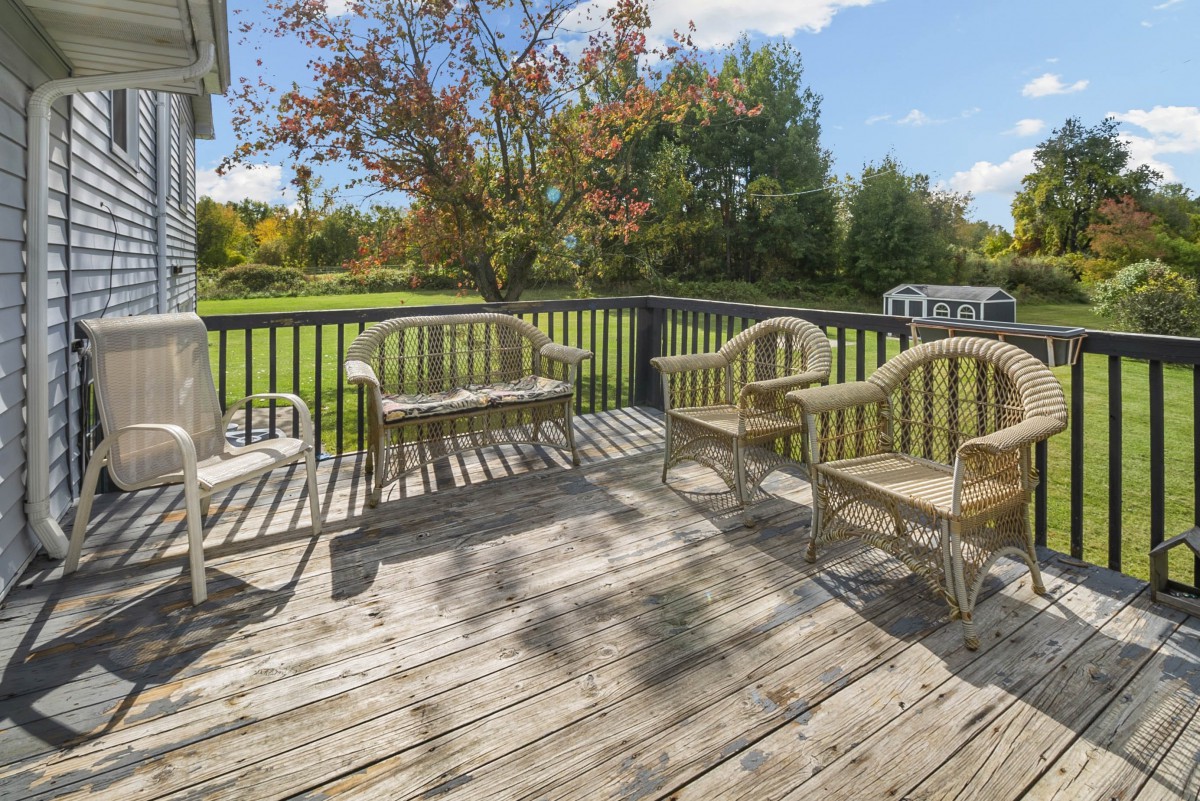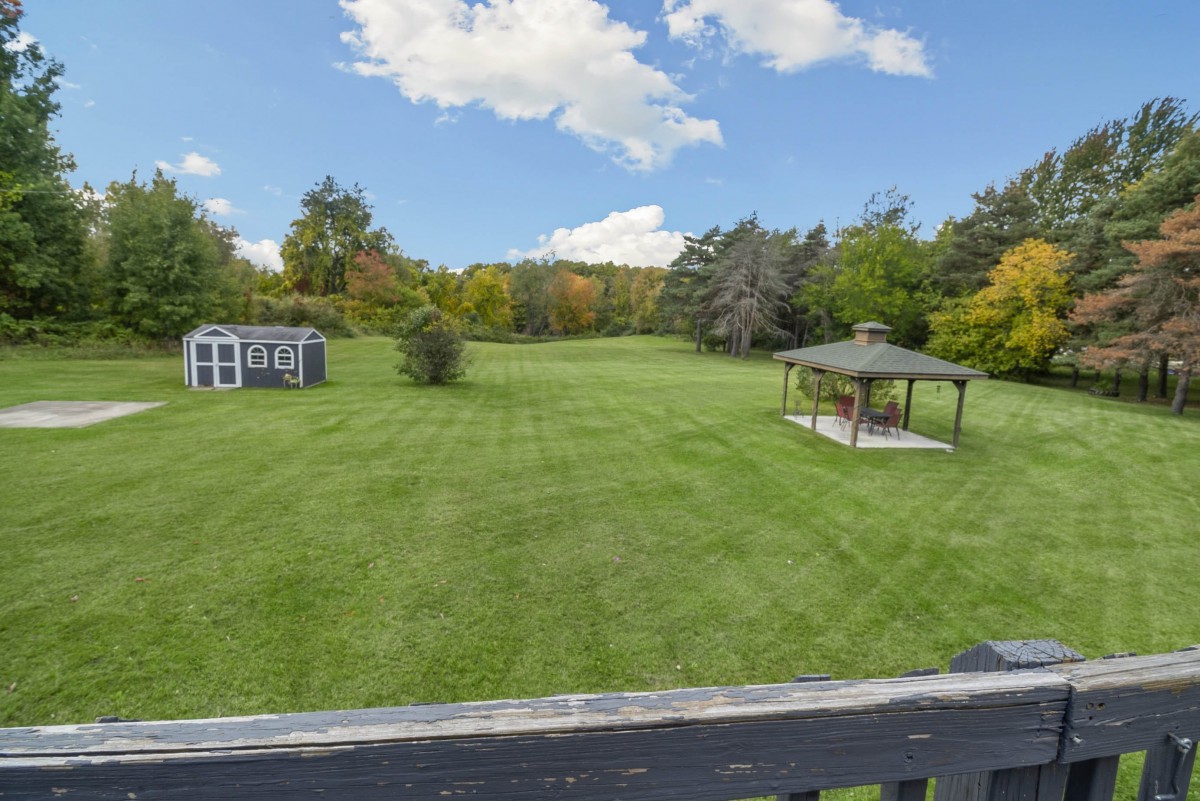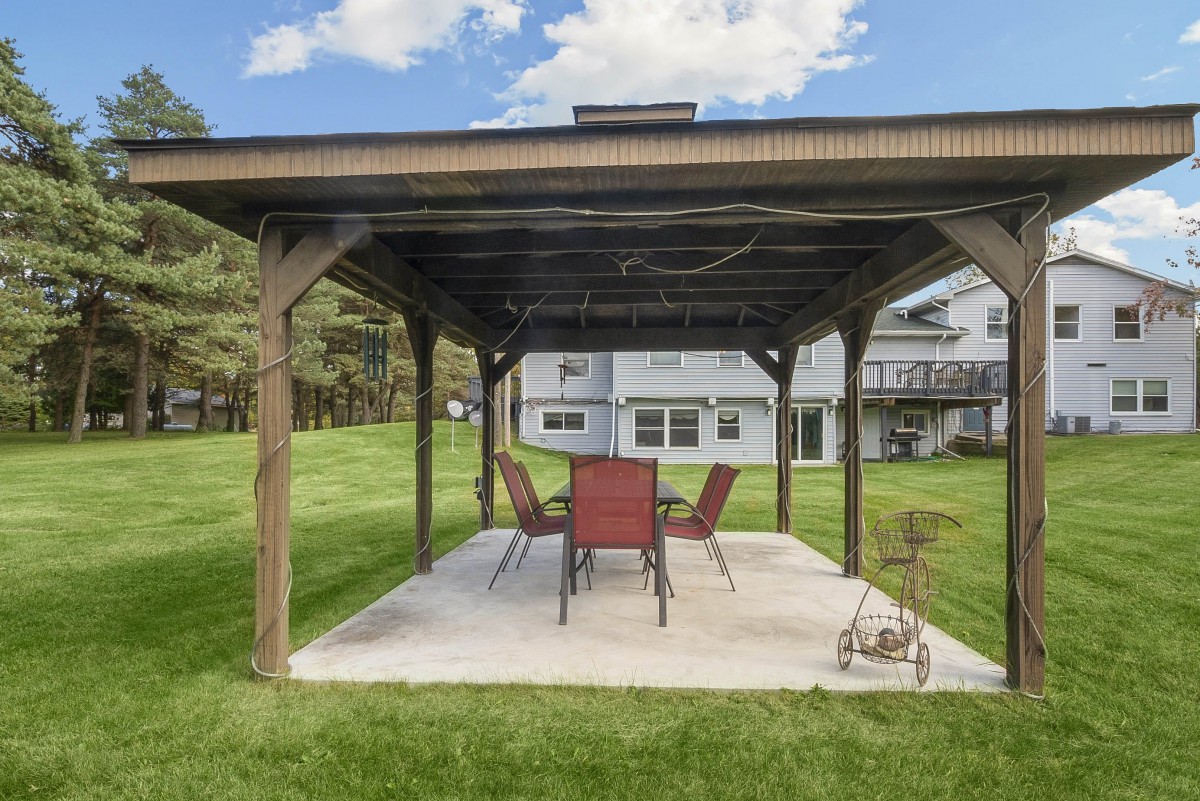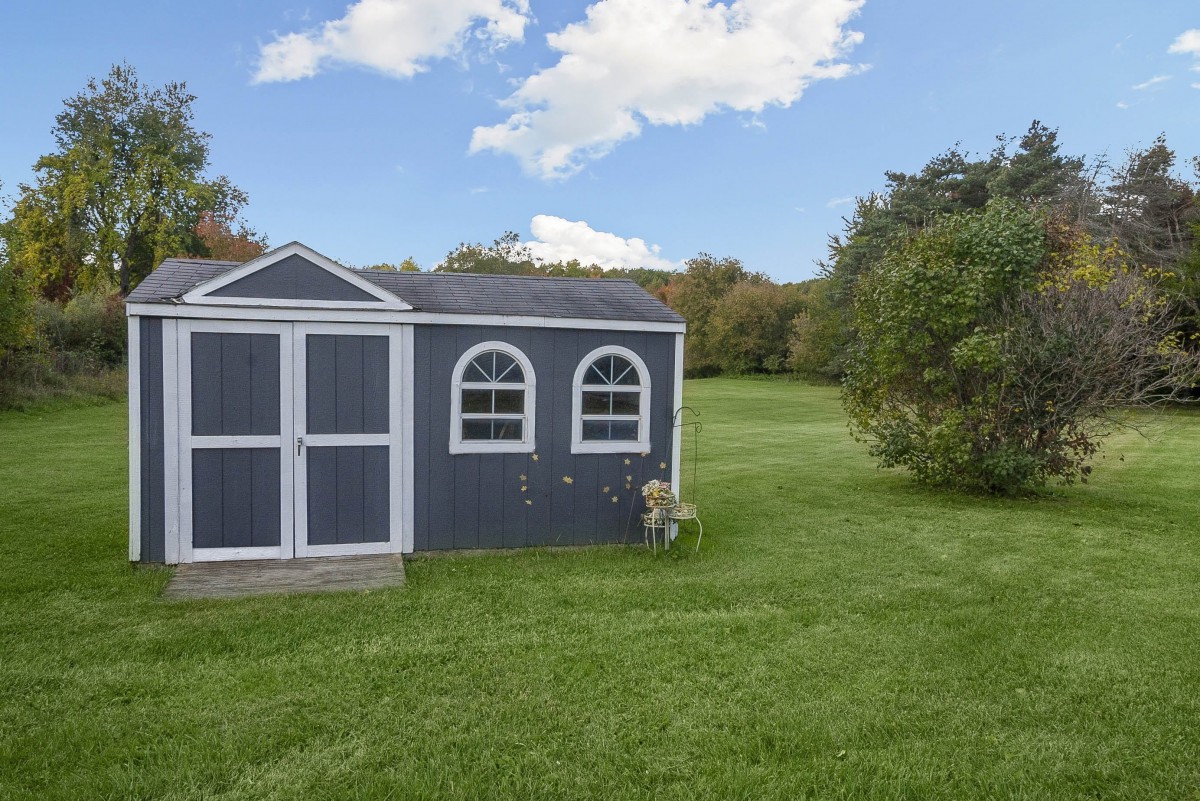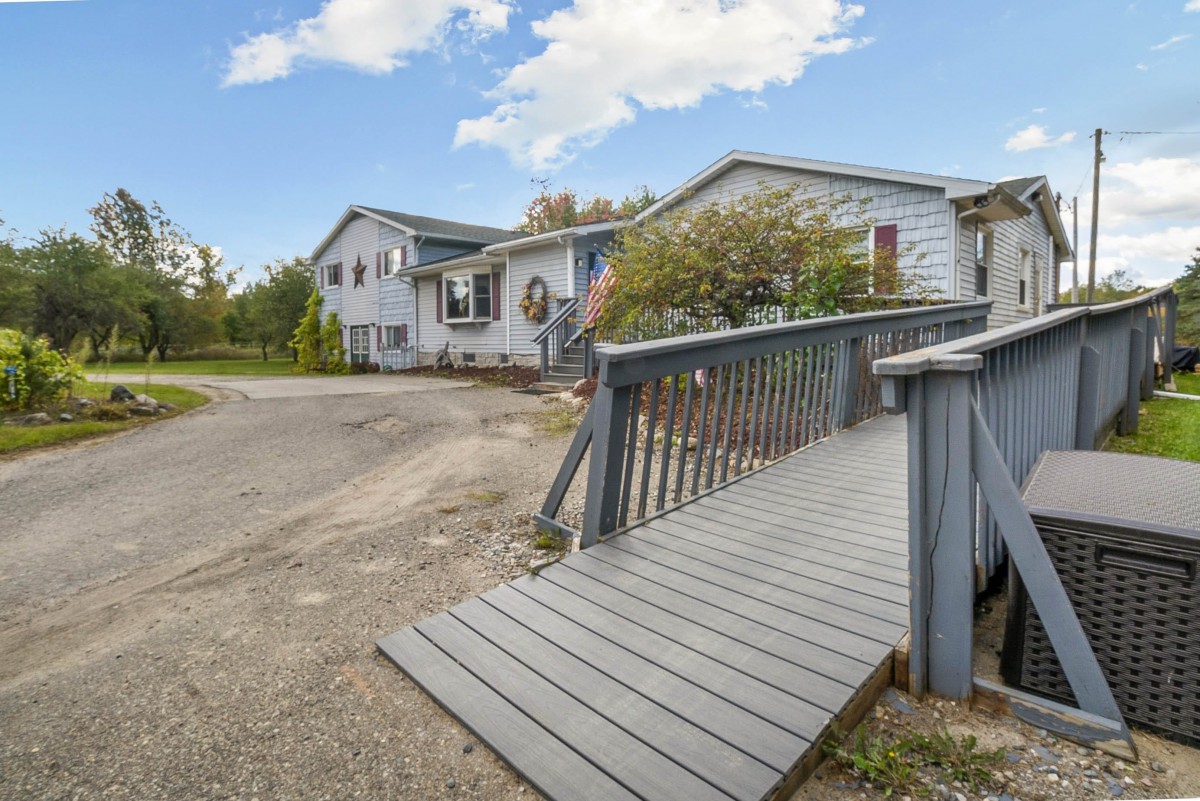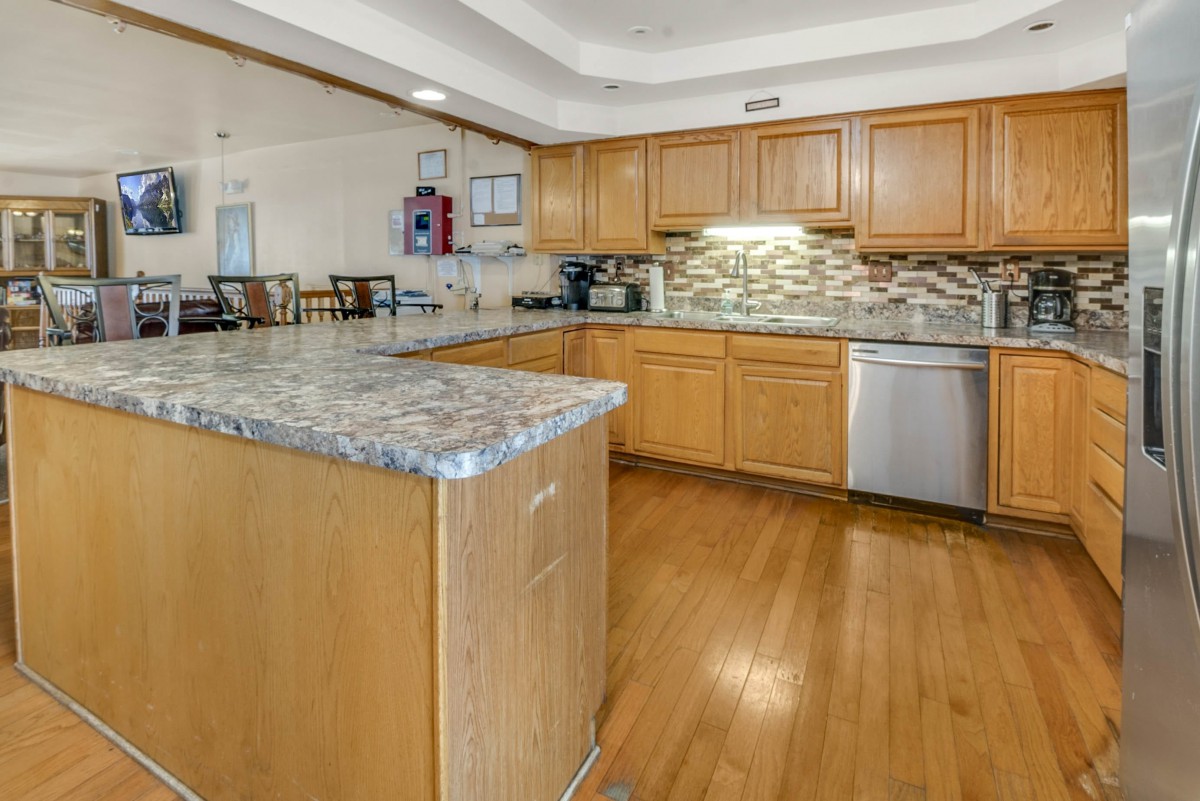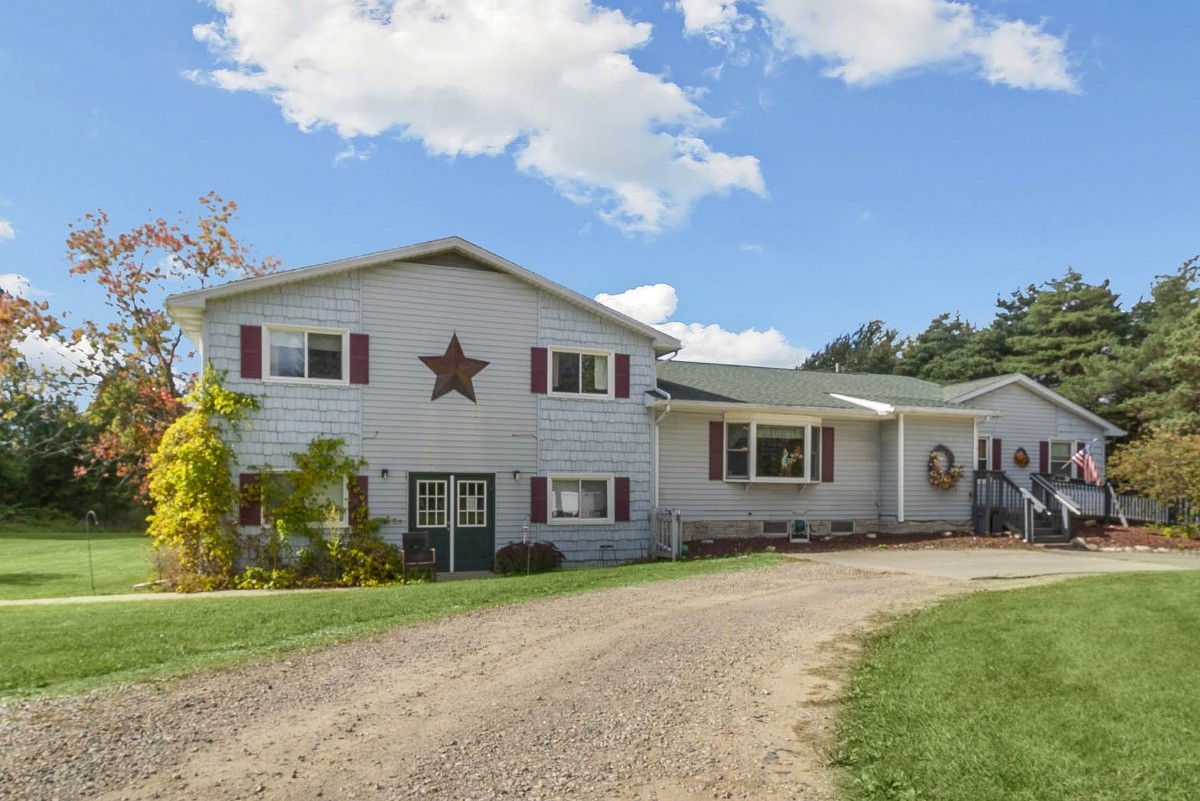
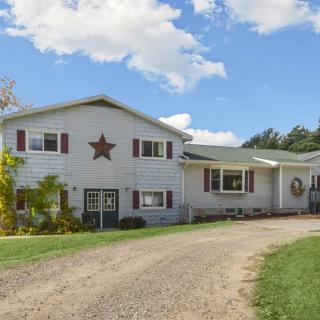
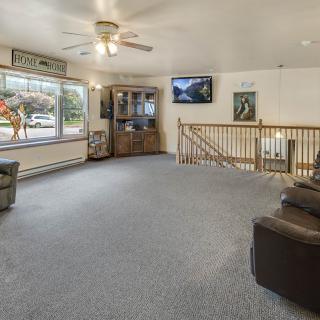
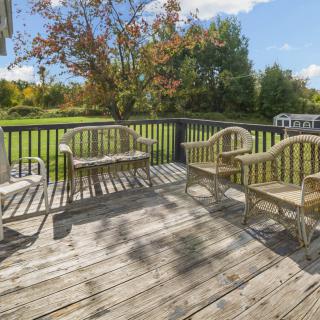


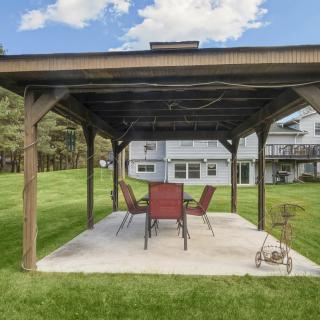
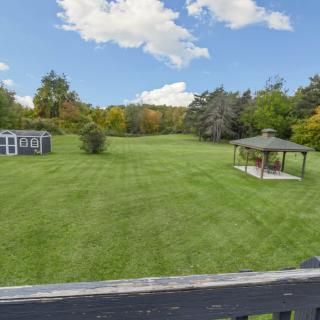
4554 Thomas Road, Metamora, MI 48455
To contact a resident: (810) 678-2087
For more information about senior living options: (866) 208-4318
Caremore of Metamora Assisted Living - Bolton Brook Manor Costs & Pricing
Caremore of Metamora Assisted Living - Bolton Brook Manor offers competitive pricing for its services compared to both Oakland County and the wider state of Michigan. Monthly rates for a private room are set at $2,600, significantly lower than the county average of $3,708 and the state average of $3,675. Similarly, the semi-private room is priced at $2,800, providing an attractive option compared to Oakland County's average of $3,204 and Michigan's statewide figure of $3,191. For those seeking more space, the one-bedroom unit is available at $3,200 - a modest increase that still falls below the county's rate of $3,507 and the state's rate of $3,384. However, it is worth noting that the studio option carries a higher monthly cost at $5,000; this exceeds both the local average of $4,577 and the state average price of $3,824. Overall, Bolton Brook Manor presents a cost-effective choice for assisted living in this region while also offering a range of accommodations to suit different preferences and needs.
| Floor plans | Caremore of Metamora Assisted Living - Bolton Brook Manor | Oakland County | Michigan |
|---|---|---|---|
| Private | $2,600 | $3,708 | $3,674 |
| Semi-Private | $2,800 | $3,204 | $3,189 |
| 1 Bedroom | $3,200 | $3,507 | $3,384 |
| Studio | $5,000 | $4,577 | $3,824 |
Memory care communities with a similar price nearby
-
from +$400 / mo
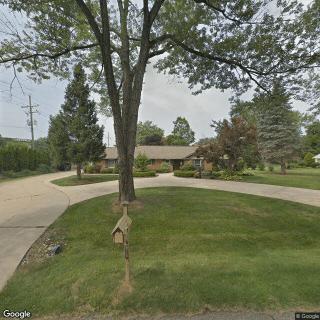
Butternut Hill Senior Living
$3,000 to $4,000 / month24.7 miles away -
from +$300 / mo

Metacare Inc
$2,900 to $3,300 / month1.2 miles away -
from -$95 / mo
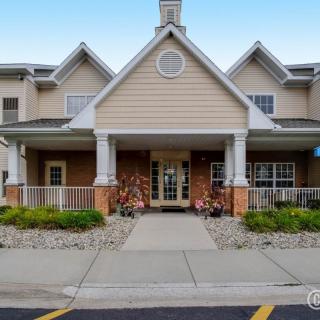
Devonshire Retirement Village
$2,505 to $4,500 / month8.9 miles away -
from +$400 / mo

Vicinia Gardens Transition
$3,000 to $4,500 / month22.1 miles away -
from -$100 / mo

Lakeview Elderly Home
$2,500 / month19.9 miles away
Overall Review of Caremore of Metamora Assisted Living - Bolton Brook Manor
Pros
 Brownstone Manor in Columbiaville is newly licensed and open, with registered nurses on staff.
- Bolingbrook Manor is a very clean place with great meals, and the new owner is professional and knowledgeable, with residents well cared for.
- Bolton Brooke Caremore is an outstanding and wonderful home with activities such as bingo, arts and crafts, TV time, and outdoor time; families enjoy it and praise the staff as outstanding and amazing.
- Bolton Brook is very good and truly cares for its residents, with meals made from scratch and around-the-clock staffing.
Cons
 The advertisement is out of date.
- Some people are upset when their loved ones are evicted for the third time.
- The staff and owner are extremely rude, very sarcastic, and always short-staffed.
- The place is filthy; there are medication errors and missing belongings.
- The staff and owners are incompetent and do not care enough to find someone better.
- This will be the next Caremore home to be shut down.
Review
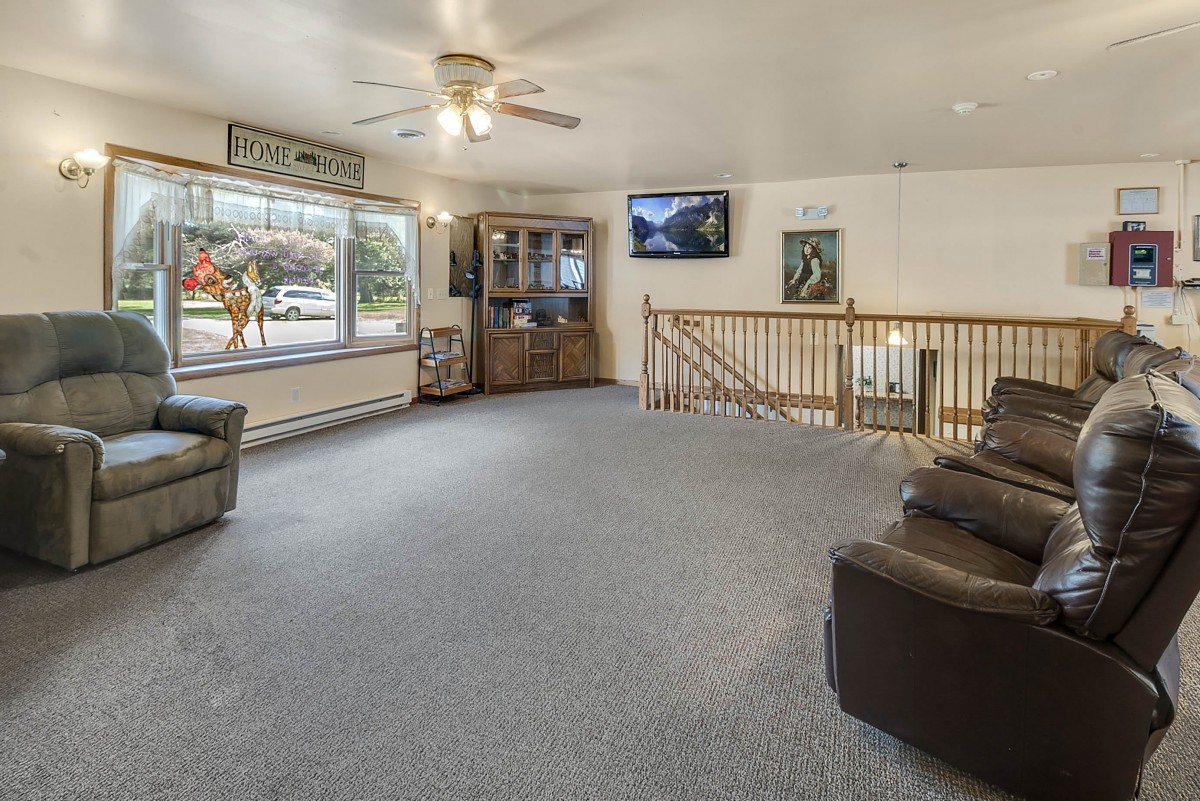
Bolton Brook Caremore in Metamora is best suited for families seeking a warm, home-like environment where residents stay engaged and cared for by attentive staff. The setting appeals to those who prize daily social activity, predictable routines, and a sense of community, with programming that includes bingo, arts and crafts, television time, and outdoor time. Meals are described as solid, with some accounts noting scratch-made dishes, which supports a comfortable, family-friendly dining vibe. This profile fits households that value personal connections and a visible, present staff. At the same time, this comfort comes with a caveat: governance and safety reliability are repeatedly questioned in reviews, suggesting a misalignment for families prioritizing flawless operations and highly structured oversight. In practical terms, the facility plays to a specific care philosophy, and not every family’s criteria will align.
On the upside, certain facets consistently praised include cleanliness and a welcoming atmosphere when operations run smoothly. Reported staffing patterns, two to three caregivers on site around the clock, translate into more timely assistance and a sense of steadiness in daily care. Staff are described as outstanding and genuinely caring on good days, which can make a meaningful difference in quality of life for residents. A background note about nursing leadership among staff also hints at clinical capability working behind the scenes. When these components align, residents experience dependable routines, social engagement, and a reassuring sense of being looked after.
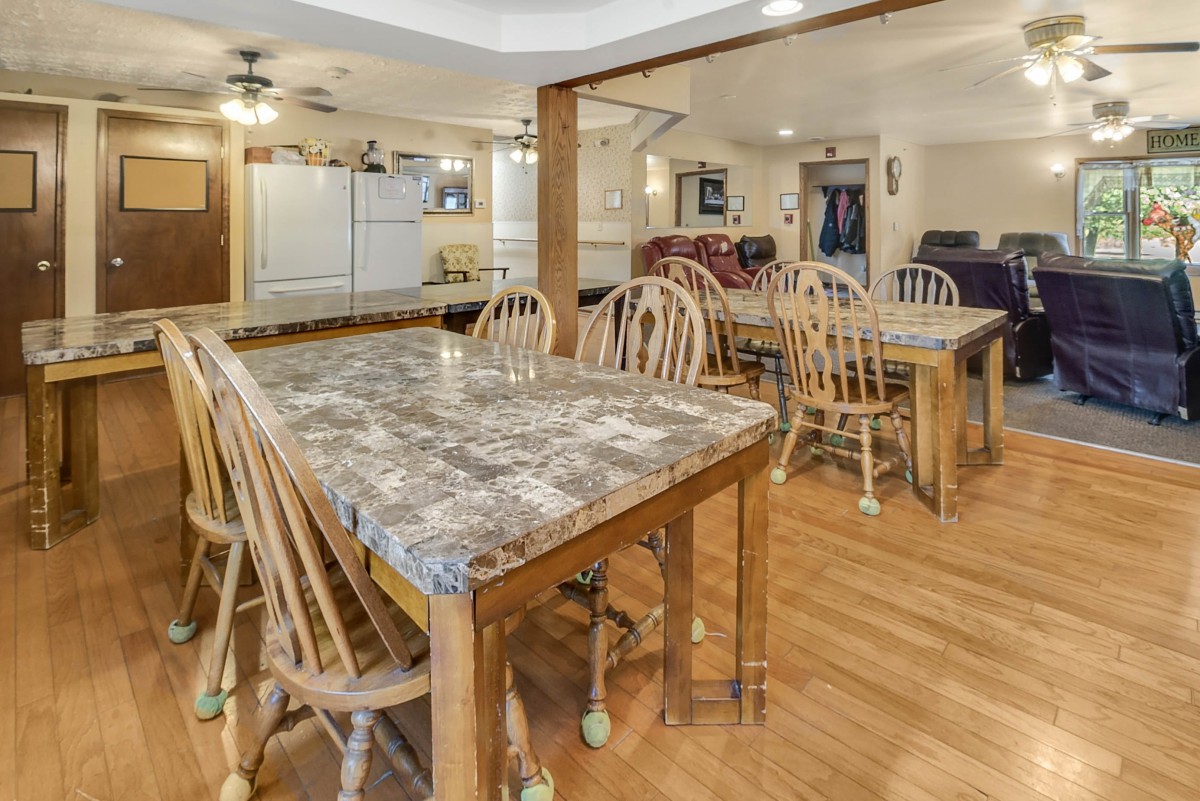
The positive impressions are reinforced by the emphasis on a home-cooked meals approach and programming designed to foster ongoing activity and memory-friendly engagement. Families describe an atmosphere that supports social ties and a familiar, comforting daily rhythm, factors that matter deeply for many residents. In practice, this combination of direct caregiver attention, approachable meals, and structured activities can yield a solid core experience, especially for residents who thrive on interaction and routine rather than clinical intensity alone.
However, the negative experiences cited in reviews cannot be ignored. A particularly troubling account describes repeated resident assaults, a filthy environment, medication errors, missing belongings, and staff deemed incompetent alongside what is portrayed as disengaged ownership. Another critique paints a picture of rude, sarcastic management, chronic short-staffing, and a pervasive sense of neglect toward residents’ dignity. The recurrence of these themes across multiple voices raises serious questions about safety, reliability, and governance. The reports also reference ongoing ownership changes and upheaval, implying potential instability that families would need to monitor closely. Put plainly, safety lapses, inconsistent care quality, and managerial responsiveness are central red flags.
These pros offset for families who can verify and experience consistent, trustworthy operations: warmth, socialization, and dependable daily care when staffing holds steady. Yet the cons loom large for those who cannot tolerate safety risk, medication mishaps, or perceived governance failures. Given the seriousness of the negative experiences, it is essential to conduct due diligence before committing. Prospective residents should request current incident logs, insist on a direct tour with a trusted clinician or administrator, and review the most recent licensing and inspection reports. If tangible improvements are evident and sustained, the facility can still serve as a reasonable option; if not, the balance clearly tilts toward seeking alternatives with stronger governance and verified safety records.
For families comparing options, the decisive factor becomes safety and governance protection. Those who require predictable oversight, rigorous staff training, and a consistently clean, well-managed environment should explore other nearby communities with stronger, verifiable performance histories. The cautionary takeaway is to prioritize current leadership stability, staff turnover rates, and transparent quality measures. In the end, the decision should rest on concrete, up-to-date information gathered through tours, conversations with multiple caregivers, and a review of the latest state inspections. This approach helps ensure the chosen home aligns with both the resident’s social needs and the family’s essential safety expectations.
 Assisted Living
 Memory Care
 Activities on-site
 Devotional services off-site
 Indoor common areas
 Private bathrooms
 Respite or short term stays offered
 Bishop (22 miles away)
 Diabetic care
 Incontinence care
 Medication management
 Meals provided
 Art classes
 BBQs or picnics
 Trivia games


 Comprehensive Guide to VA Nursing Homes: A Crucial Long-Term Care Resource for Veterans
 Estimating the Expenses of At-Home Dementia Care: A Detailed Exploration
 Comprehensive Insights on the Late Stages of Dementia: What to Expect and How to Provide Care