
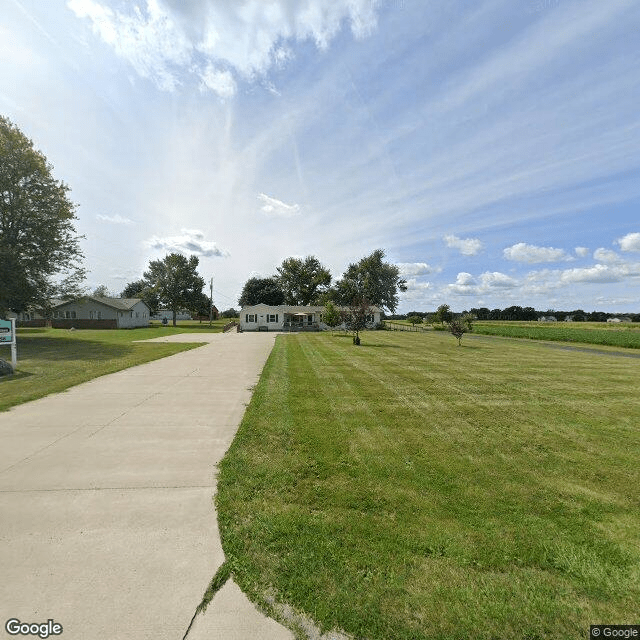
588 South Edgar Road, Mason, MI 48854
For more information about senior living options: (866) 208-4318
Craft Care Home Costs & Pricing
Craft Care Home offers a competitive monthly cost for its semi-private room option at $2,500, which stands out favorably when compared to the average rates in Ingham County and across Michigan. Ingham County reflects an average monthly expense of $3,168 for similar accommodations, while the state average climbs slightly higher to $3,191. This significant difference suggests that Craft Care Home may provide not only affordability but also value without compromising quality care and comfort.
| Floor plans | Craft Care Home | Ingham County | Michigan |
|---|---|---|---|
| Semi-Private | $2,500 | $3,111 | $3,189 |
Memory care communities with a similar price nearby
-
from +$300 / mo

Dragonfly Manor
$2,800 to $3,000 / month18.6 miles away -
About the same
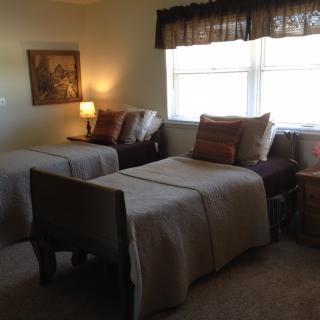
Sunset Pines AFC
$2,500 to $3,500 / month24.0 miles away -
About the same

Vista Springs Timber Ridge
$2,500 to $4,000 / month15.3 miles away -
from -$470 / mo
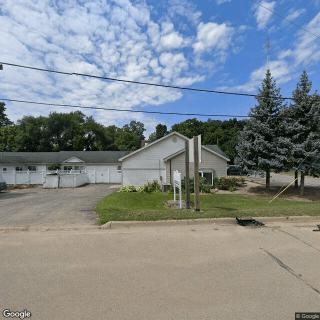
Highland Assisted Living & Memory Care
$2,030 / month20.7 miles away -
from +$200 / mo

Maplewood Care Home
$2,700 / month5.8 miles away
Overall Review of Craft Care Home
Pros
 The facility is outstanding.
- It is family-owned with amazing, caring staff.
- The atmosphere is homey.
- The staff are friendly, caring, and professional.
- The residence is clean and well maintained.
- The setting offers a very nice country ambiance, with helpful and courteous staff.
- It is a very nice place for older adults who need assistance.
Review
Craft Care Home in Mason, Michigan, is best suited for seniors who want a small, family-style assisted living experience where care feels deeply personal and unhurried. The setting and operations mirror a home more than a clinic: family ownership, staff described as amazing and caring, and a genuinely homey atmosphere. The environment is clean, friendly, and inviting, with residents who appear engaged and willing to share personal experiences. For families seeking a place where staff treat residents as if they were their own relatives, Craft Care Home offers a compelling, trust-building dynamic that makes daily life feel comfortable and predictable.
Those who may want to consider alternatives are primarily centered on needs that go beyond what a small, intimate setting typically supports. If medical oversight, complex care coordination, or memory-care specialization is a central requirement, a larger community with more on-site clinicians and structured programs may be a better fit. Families seeking a highly robust activity calendar, intensive rehabilitation services, or round-the-clock nursing coverage could find the scale and resources at Craft Care Home less aligned with those expectations. While the reviews are overwhelmingly positive, one star signals that not every experience is flawless, and that some residents or families may encounter gaps that larger operators could better address.
The strongest pros at Craft Care Home offset potential drawbacks in practical, tangible ways. The family-owned model tends to translate into highly responsive care planning and a culture of genuine attentiveness, where staff appear motivated to know residents on a personal level. The staff’s described warmth and professionalism helps residents feel valued and safe, and the home-like environment supports daily routines that resemble life at home rather than in a sterile facility. Cleanliness and maintenance reinforce a sense of pride and respect, while residents’ willingness to share experiences and opinions during visits or interactions points to meaningful social engagement. In short, relational quality, transparency, and a comfortable milieu are the dominant offsets to the limited scope that comes with a smaller operation.
Yet the potential cons should be weighed with care. The absence of specific, wide-scale clinical resources intrinsic to larger campuses means that families must assess whether medical oversight and rapid escalation capabilities align with their loved one’s needs. The one-star review in the mix serves as a reminder that not every experience will meet every expectation, a reality that can matter when medical complexity or emergency responsiveness becomes a concern. The homey, intimate design, while a strength for daily life, sometimes correlates with fewer on-site specialists or limited 24/7 nursing coverage, factors that may matter for residents requiring higher levels of medical intervention or more structured programming than a small team can consistently deliver.
For families weighing decisions, the practical path is clear: evaluate the level of daily assistance, medical oversight, and social programming required by the loved one, then contrast Craft Care Home’s warmth and personalized care against those needs. Schedule a visit focused on how care plans are developed and updated, who coordinates medical appointments, and how staff handle urgent changes in health status. Inquire about meal variety, daily activity options, and opportunities for resident-driven programming, ensuring that the routine aligns with the resident’s preferences. Talk with staff about night coverage, response times, and the availability of transportation for appointments or errands to avoid assumptions about 24/7 clinical readiness.
Overall, Craft Care Home stands out for families prioritizing a close-knit, home-like environment with consistently attentive staff and a dignified, personable approach to daily living. It is an exceptionally strong option for seniors who value connection, clear communication, and a setting that feels like a caring extended family. Those needing advanced clinical services, memory-care specialization, or a larger campus with extensive on-site medical teams should evaluate alternatives that emphasize medical infrastructure and formalized programs. The best next step remains a direct tour concentrated on care planning, staffing realities, and resident satisfaction, ensuring the choice aligns with both current needs and anticipated changes in care requirements.
 11 resident community capacity
 Assisted Living
 Board and Care Home
 Memory Care
 Respite Care
 Cable or satellite TV
 Dining room
 Fully furnished
 Garden
 Housekeeping services
 Move-in coordination
 Outdoor space
 Telephone
 Wi-Fi/high-speed internet available
 Capital City (15 miles away)
 24-hour supervision
 Activities of daily living assistance
 Assistance with bathing
 Assistance with dressing
 Assistance with transfers
 Diabetes diet
 Diabetic care
 Hospice waiver
 Meal preparation and service
 Medication management
 Mental wellness program
 Special dietary restrictions
 Transportation arrangement (medical)
 Transportation to doctors appointments






 Vibrant Senior Living: A Comprehensive Guide for Active Older Adults
 Assisted Living and Memory Care: Understanding Their Core Differences
 Choosing the Right Senior Care: A Detailed Exploration of Assisted Living and Nursing Homes