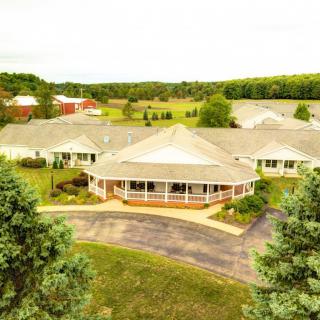
Sunshine Home in Manton, MI

Information last verified:

116 Robert, Manton, MI 49663

For more information about senior living options: (844) 490-3973

3.7 from 6 reviews
5 stars
4
4 stars
0
3 stars
0
2 stars
0
1 stars
2

Sunshine Home Costs & Pricing

At Sunshine Home, the monthly cost for a one-bedroom unit is set at $4,890, which positions it above both Wexford County and the broader state of Michigan. In comparison, Wexford County's average stands at $3,242, while the state averages slightly higher at $3,384. This difference underscores Sunshine Home's premium offerings and services, which may appeal to residents seeking a higher quality of care or enhanced amenities. While the costs reflect a notable investment, prospective residents and their families might find that the unique value proposition justifies the additional expense.

Floor plansSunshine HomeWexford CountyMichigan
1 Bedroom$4,890$3,242$3,384

Overall Review of Sunshine Home

Pros

  • pro The staff are great and take great care of the residents.
  • pro Families were met with patience, care, and compassion during difficult times.
  • pro The caregivers are good people who take care of the seniors.
  • pro The reviews express gratitude for the care provided.

Cons

  • pro There were shady people working there.
  • pro They allegedly fabricated a story about a loved one to get him removed.
  • pro That fabrication made it harder to place him elsewhere.
  • pro They couldn’t handle him because it wasn’t the right type of care.
  • pro HIPAA violations occurred almost every time someone visited.
  • pro A brother on psych meds was able to smoke weed while under their care.

Review

Sunshine Home in Manton, MI is best suited for families seeking a small, home‑like assisted living option where staff are known to be warm, approachable, and personally invested in each resident. This community appears to work best for seniors who benefit from a hands‑on, attentive care team and a setting that allows for frequent, personal interaction with caregivers. It is a workable choice for those who can actively participate in day‑to‑day oversight, ask questions, and push for consistent staffing and clear care plans. Those who prioritize highly standardized medical oversight, robust behavioral health management, or strict privacy controls may want to explore alternatives.

The strongest positives center on the caregiving attitude. Several families report that the staff display patience, compassion, and genuine concern, especially during difficult times. The sense that “great people take great care” and “good people who take care of the seniors” is repeatedly echoed, suggesting a culture where residents are valued and supported. In a setting that can be emotionally challenging for families and residents alike, this kind of supportive, resident‑focused approach can translate into meaningful daily improvements, reduced agitation, and a calmer overall atmosphere. For caretakers who need reassurance that their loved ones won’t be neglected emotionally, those qualitative traits carry real weight.

Yet the visible drawbacks are substantial enough to demand caution. The most troubling notes center on concerns about staff integrity and privacy: allegations of shady behavior, ethical lapses, and even HIPAA violations during visits. One report describes a story crafted to move a loved one out of the home, calling into question overall governance and staff accountability. Additional red flags include indications that a resident on psychiatric medications may have encountered unsafe conditions (such as access to substances) and that the facility might not consistently place residents in roles that match their complex needs. Taken together, these items speak to serious safety, privacy, and staffing questions that can dramatically affect reliability and peace of mind.

When weighing the pros against the cons, the verdict leans toward cautious optimism tempered by vigilance. The compassionate, resident-first approach can offset some stress for families during transitions or crises, but it does not fully offset risks tied to privacy breaches, inconsistent staffing, and potential misalignment between care needs and available services. The negatives do not appear to be isolated incidents but hints of systemic weaknesses in oversight and training. For residents with complex behavioral health or memory care requirements, Sunshine Home may struggle to deliver the level of structure and regulatory assurance those needs demand.

Practically, families considering Sunshine should conduct a rigorous due‑diligence protocol before move‑in. Ask for detailed staff qualifications, turnover rates, and care‑plan governance; request to observe care routines during several shifts; verify the facility’s privacy policies and the steps taken to prevent HIPAA violations; and confirm a clear medication management process, including who administers meds and how changes are tracked. Seek references from multiple families, and insist on a trial period with measurable benchmarks for behavior management, safety checks, and response times. If these safeguards cannot be demonstrated consistently, or if privacy and governance remain uncertain, alternatives with stronger governance structures and more predictable oversight become the prudent choice.

Ultimately, Sunshine Home is a mixed option: it can deliver genuine warmth and devoted caregiving in a personable, intimate setting, which benefits residents who thrive on consistent human contact and proactive family involvement. However, for those who prioritize ironclad privacy, uniform staffing quality, and robust management of complex medical or behavioral needs, it is wise to look elsewhere. The rating of 3.7 from a small sample reflects strong individual experiences amid notable concerns; the decision should hinge on the resident’s specific care requirements and the family’s ability to actively supervise and insist on high standards. Proceed with a plan that centers on oversight, transparency, and clear expectations, and Sunshine can still be a viable, transitional option.

Features

Housing

  • 6 resident community capacity 6 resident community capacity

Types of Care

  • Assisted Living Assisted LivingAssisted living facilities provide crucial support and care for seniors who may need help with daily tasks such as medication management, bathing, and meal preparation. These communities offer a safe and comfortable environment where seniors can maintain their independence while receiving the assistance they need to thrive in their golden years.

Amenities

  • Cable or satellite TV Cable or satellite TVCable or satellite TV is important for seniors because it provides entertainment, news, and companionship, helping to combat loneliness and boredom. It also offers a wide range of programming options tailored to different interests and preferences.
  • Dining room Dining roomDining rooms are important for seniors as they provide a space for socialization, connection, and nutritious meals. They offer opportunities for residents to bond over shared meals, foster a sense of community, and promote healthy eating habits. Dining rooms also ensure that seniors have access to well-balanced meals tailored to their dietary needs and preferences.
  • Fully furnished Fully furnishedFully furnished senior living communities are important for seniors because they provide convenience, comfort, and a hassle-free moving experience. Seniors can easily settle into their new living space without the stress of having to buy and move furniture. This allows them to focus on enjoying their new home and community.
  • Garden GardenGardens are important for seniors as they provide a peaceful and therapeutic environment for relaxation, physical activity, and socialization. Being in nature has been shown to reduce stress, improve mood, and promote overall well-being. Gardens also offer opportunities for seniors to engage in gardening activities, which can improve mobility, flexibility, and cognitive function. Additionally, gardens create a sense of community and connection with others who share a passion for plants and outdoor spaces.
  • Housekeeping services Housekeeping servicesHousekeeping services are important for seniors because they help maintain a clean and safe living environment, promote independence, and reduce the risk of accidents or illnesses. Additionally, having assistance with household chores can alleviate physical strain and allow seniors to focus on other aspects of their well-being.
  • Move-in coordination Move-in coordinationMove-in coordination is important for seniors because it helps ease the transition into their new living environment. It ensures that all logistics, such as packing, organizing movers, and setting up utilities are taken care of, allowing seniors to focus on settling in and adjusting to their new home. Having a smooth move-in process can alleviate stress and anxiety, making the transition smoother and more enjoyable for seniors.
  • Outdoor space Outdoor spaceOutdoor spaces are important for seniors as they provide opportunities for physical activity, social interaction, exposure to natural light and fresh air, and a sense of connection to nature. Having access to outdoor spaces can improve overall well-being and quality of life for older adults living in senior communities.
  • Telephone TelephoneTelephones are important for seniors as they provide a lifeline for communication with loved ones, emergency services, and healthcare providers. They offer a sense of security and independence, enabling seniors to stay connected and access assistance when needed.
  • Wi-Fi/high-speed internet available Wi-Fi/high-speed internet availableWi-Fi/high-speed internet is important for seniors to stay connected with loved ones, access online resources, and participate in virtual activities to combat feelings of loneliness and isolation. It also allows them to easily manage healthcare needs, access entertainment, and engage in lifelong learning opportunities.

Transportation

  • Cherry Capital (24 miles away) Cherry Capital (24 miles away)

Care Services

  • 24-hour supervision 24-hour supervision24-hour supervision is important for seniors to ensure their safety, well-being, and access to immediate assistance in case of emergencies or health issues. This constant support provides peace of mind for both seniors and their loved ones, allowing them to age in place with dignity and security.
  • Activities of daily living assistance Activities of daily living assistanceActivities of daily living assistance are important for seniors because they provide essential support with tasks such as eating, bathing, dressing, and mobility. This assistance helps seniors maintain their independence, dignity, and overall quality of life as they age.
  • Assistance with bathing Assistance with bathingAssistance with bathing is crucial for seniors as it helps maintain personal hygiene, prevents infections, and ensures their overall well-being and comfort. It also provides a sense of dignity and independence for seniors who may struggle with this task on their own.
  • Assistance with dressing Assistance with dressingAssistance with dressing is important for seniors because it helps maintain their independence, promotes personal hygiene, prevents accidents and injuries, and improves overall quality of life. This service ensures that seniors can continue to dress comfortably and confidently, despite any physical limitations they may have.
  • Assistance with transfers Assistance with transfersAssistance with transfers is crucial for seniors as it helps prevent falls and injuries, maintains their independence, and ensures they can safely navigate their living environment. It also provides peace of mind for both seniors and their loved ones.
  • Coordination with health care providers Coordination with health care providersCoordination with health care providers is crucial for seniors to ensure proper medical care, medication management, and overall well-being. This collaboration helps prevent overlapping treatments, track progress more effectively, and provide comprehensive support tailored to individual needs.
  • Diabetes diet Diabetes dietA diabetes diet is crucial for seniors as it helps manage blood sugar levels, reduce risks of complications, and improve overall health and well-being. By following a balanced and nutritious diet tailored to their specific needs, seniors can better control their diabetes and enhance their quality of life.
  • Meal preparation and service Meal preparation and serviceMeal preparation and service are crucial for seniors as they may have limited mobility or energy to cook nutritious meals. Having access to healthy and convenient food options can ensure they are getting the proper nutrition needed to maintain their overall health and well-being.
  • Medication management Medication managementMedication management is crucial for seniors to ensure they are taking the right medications at the correct dosages and times. This helps prevent adverse drug interactions, reduces the risk of medication errors, and promotes overall health and well-being. Proactive management also allows for adjustments as needed based on changing health conditions or new prescriptions.
  • Special dietary restrictions Special dietary restrictionsSpecial dietary restrictions are important for seniors because age-related changes in metabolism and health conditions can make it difficult for their bodies to process certain foods. By following a diet tailored to their specific needs, seniors can maintain their overall health and well-being, manage chronic conditions, and reduce the risk of complications such as malnutrition or food interactions with medications.
  • Transportation arrangement (medical) Transportation arrangement (medical)Transportation arrangements for medical purposes are essential for seniors as they may have difficulty driving themselves to appointments or accessing public transportation. Having reliable and safe transportation options ensures that seniors can receive timely medical care and maintain their health and well-being.
  • Transportation to doctors appointments Transportation to doctors appointmentsTransportation to doctors' appointments is crucial for seniors as it ensures they have access to necessary medical care and support for their health needs. Without reliable transportation, seniors may struggle to attend important appointments, leading to potential delays in treatment and health complications. Providing transportation services helps seniors maintain their overall well-being and quality of life.

Dining

  • Diabetes diet Diabetes dietA diabetes diet is crucial for seniors as it helps manage blood sugar levels, reduce risks of complications, and improve overall health and well-being. By following a balanced and nutritious diet tailored to their specific needs, seniors can better control their diabetes and enhance their quality of life.
  • Special dietary restrictions Special dietary restrictionsSpecial dietary restrictions are important for seniors because age-related changes in metabolism and health conditions can make it difficult for their bodies to process certain foods. By following a diet tailored to their specific needs, seniors can maintain their overall health and well-being, manage chronic conditions, and reduce the risk of complications such as malnutrition or food interactions with medications.

Activities

  • Community-sponsored activities Community-sponsored activitiesCommunity-sponsored activities are important for seniors as they provide opportunities for social interaction, mental stimulation, and physical activity. These activities can help improve overall well-being, combat loneliness and isolation, and promote a sense of belonging and purpose among older adults.
  • Scheduled daily activities Scheduled daily activitiesScheduled daily activities are important for seniors because they provide structure, socialization, mental stimulation, and physical activity. Engaging in regular activities can improve overall well-being and quality of life for seniors living in a community setting.

Description

Sunshine Home is a fully furnished assisted living community located in the peaceful town of Manton, MI. Our residents enjoy a comfortable and welcoming environment that feels just like home.

Our community offers a range of amenities to enhance the quality of life for our residents. Our spacious dining room provides delicious, chef-prepared meals that cater to special dietary restrictions. Housekeeping services are provided to ensure that our residents have a clean and tidy living space at all times.

Sunshine Home also boasts a beautiful garden and outdoor space where residents can relax, socialize, or engage in activities surrounded by nature. Wi-Fi and high-speed internet access are available throughout the community, allowing residents to stay connected with loved ones and explore their interests online.

We understand that providing assistance with daily tasks is essential for our residents' well-being, which is why we offer activities of daily living assistance, bathing and dressing assistance, as well as transfers assistance. Our dedicated staff also coordinates with health care providers to ensure that each resident's medical needs are met.

At Sunshine Home, we prioritize medication management to ensure that residents receive their prescribed medications on time and in the correct dosage. We also provide diabetes diets and prepare nutritious meals tailored to any special dietary restrictions.

Transportation services are available for medical appointments, making it convenient for our residents to attend necessary healthcare visits. Additionally, there are numerous parks, pharmacies, restaurants, transportation options, and places of worship within close proximity to our community.

To promote an active lifestyle and foster a sense of community among our residents, we offer scheduled daily activities designed to cater to various interests. Whether it be fitness classes or arts and crafts sessions, there is something for everyone to enjoy at Sunshine Home.

Overall, Sunshine Home in Manton, MI provides a warm and inviting atmosphere complemented by exceptional care services and amenities that contribute to an excellent quality of life for our valued residents.

Nearby Places of Interest

Places of Worship

  • Manton United Methodist Church (0.3 miles)
  • Cef Of Mi, Northwest Chapter (0.4 miles)
  • Living Word Ministries (0.8 miles)
  • Manton Baptist Church (0.8 miles)
  • Child Evangelism Fellowship (0.9 miles)
  • Southern Baptist Convention (1.2 miles)
  • Liberty Baptist Church (1.5 miles)

Pharmacies

  • Bostick's Drug Store (0.3 miles)
  • Meijer Pharmacy (9.1 miles)
  • Walgreens (10.3 miles)
  • LC Family Pharmacy (10.3 miles)
  • Cadillac Family Pharmacy (11.4 miles)
  • Good Neighbor Pharmacy (11.4 miles)
  • Quilters Clinic (11.4 miles)

Parks

  • Railroad Park (0.4 miles)
  • Crooked Lake (7.5 miles)
  • Missaukee County Park Comm (10.3 miles)
  • Lake City Park (10.6 miles)
  • Diggins Park (10.8 miles)
  • Miltner Park (11 miles)
  • Chris Blackburn Skate Park (11.3 miles)

Restaurants

  • Subway (0.4 miles)
  • KFC (9.2 miles)
  • Culver's (9.2 miles)
  • Wing Street (9.2 miles)
  • Little Caesars Pizza (9.2 miles)
  • McDonald's (9.3 miles)
  • Qdoba Mexican Eats (9.3 miles)

Transportation

  • Trails End Taxidermy (1.6 miles)
  • Natures Image Taxidermy (6.2 miles)
  • Mike's Taxidermy (9.4 miles)
  • U-Haul International (9.4 miles)
  • Enterprise Rent-A-Car (9.6 miles)
  • Star Truck Rentals (9.6 miles)
  • Great Lake Central (10.4 miles)

Cafes

  • Starbucks (9.3 miles)
  • Biggby Coffee (9.5 miles)
  • All Beans Coffee Company (9.6 miles)
  • The Coffee Cup (10.3 miles)
  • Tonys Park Place Cafe (11.4 miles)
  • Tim Hortons (11.4 miles)

Physicians

  • Mercy Ob - GYN Partners (10.5 miles)
  • Family Practice of Cadillac (11.2 miles)
  • Allergy & Asthma Specialists Of Cadillac (11.3 miles)
  • Lisa Jacobson DO PC (11.4 miles)

Frequently Asked Questions

How much does it cost to live at Sunshine Home in Manton, MI?
Where is Sunshine Home?

Nearby Communities

  • Shepler Adult Foster Care

    Shepler Adult Foster Care

    Manton, MI

    4.3 from 7 reviews
     

    pro Small, personalized care with 24-hour supervision and tailored meals.

  • Elaine Zinger Home

    Elaine Zinger Home

    Mesick, MI


    pro Small, home-like setting with comprehensive care (ADLs, medications, transport) and diabetes-friendly dining.

  • Magnolia Afc

    Magnolia Afc

    Manton, MI

    5 from 3 reviews
     

    pro 24-hour supervision with daily living assistance and care coordination

  • Pleasant Lake Lodge South

    Pleasant Lake Lodge South

    Cadillac, MI

    3.3 from 16 reviews
     

    pro Diabetic care and on-site activities in a peaceful setting

  • Pleasant Lake Lodge North

    Pleasant Lake Lodge North

    Cadillac, MI

    3.4 from 18 reviews
     

  • Beacon Home At Coster North

    Beacon Home At Coster North

    Fife Lake, MI


    pro Small, intimate assisted living with 24/7 supervision, ADL support, medication management, and coordinated healthcare.

  • Traverse Manor

    Traverse Manor

    Traverse City, MI

    4.3 from 27 reviews
    $3,300 to $3,600 / month

    pro Friendly staff, clean facility, and strong on-site amenities in a peaceful setting.

  • Culver Meadows Senior Living

    Culver Meadows Senior Living

    Traverse City, MI

    3.9 from 21 reviews
     

    pro Intimate 20-bed community with 24/7 supervision and memory care.

  • The Village at Bay Ridge

    The Village at Bay Ridge

    Traverse City, MI

    4.3 from 3 reviews
    $1,165 to $1,435 / month

    pro Quality of care and cleanliness with broad on-site amenities and a pet-friendly policy.

Related Resources

  • active senior livingVibrant Senior Living: A Comprehensive Guide for Active Older Adults

    Vibrant Senior Living emphasizes active senior living communities that promote independence and engagement through diverse amenities and activities, fostering wellness and social interaction among older adults. These communities range from independent to assisted living, with a focus on personal growth, family involvement, financial planning, and leveraging technology to enhance residents' experiences.

  • when to move from assisted living to memory careWhen to Transition from Assisted Living to Memory Care: Key Indicators, Steps, and Finding the Right Community

    Transitioning from assisted living to memory care is driven by an individual's cognitive decline and specific needs, requiring careful evaluation of indicators like increased confusion and wandering. The process involves consulting medical professionals, researching suitable communities, considering financial and legal aspects, and ensuring effective communication for personalized care plans.

  • assisted living vs memory careAssisted Living and Memory Care: Understanding Their Core Differences

    Assisted living provides moderate support for seniors seeking independence, while memory care offers specialized support for individuals with dementia or cognitive impairments through structured routines and trained staff. Key differences include care approaches, environment security measures, staff training levels, activity types, and cost considerations.