
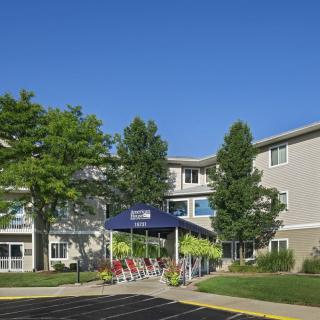
22091 21 Mile Road, Macomb, MI 48044
For more information about senior living options: (866) 208-4318
Overall Review of The Estates Of Macomb II
Pros
 They describe the builder as amazing and proactive, even fixing an issue without being asked.
- They felt cared for and supported by Sequoia Homes, experiencing excellent customer service.
- Maria welcomed them and helped them feel comfortable and confident about building.
- Julia’s detailed knowledge of materials and design sense helped tailor the home to their preferences.
- Matt is patient, diligent, and takes pride in his work, ensuring client satisfaction.
- Sequoia Homes communicated openly during COVID, providing timely updates about timelines.
- Their standard features are much better than competing builders, with high construction quality and no warranty issues over time.
Cons
 None found.
Review
The Estates Of Macomb II is best suited for families seeking a solid, service-forward assisted living option in Macomb, Michigan, where responsive management and reliable day-to-day operations matter most. With a 4.2 overall rating drawn from 11 reviews, the community demonstrates a clear pattern of satisfaction among residents, particularly where staff attentiveness and problem-solving are concerned. This is a good fit for seniors who want straightforward access to help with daily routines, dependable maintenance, and a community that keeps residents engaged. It is especially suitable for couples or long-time residents who value continuity of care and a predictable caregiving rhythm. Those who prize transparent communication and a proactive approach to addressing issues will likely feel confident moving in.
Alternatives to consider include facilities with a heavier emphasis on medical oversight or memory care, or those with lower costs or more intimate settings if budget and privacy concerns trump scale. Given that two of the 11 reviews lean negative, some families will want to scrutinize the care team's availability, response times, and any recurring concerns during a tour. If a resident requires 24/7 skilled nursing, complex dementia programming, or highly specialized therapies, other communities may outperform in those dimensions. Additionally, families who prefer a smaller, boutique feel or a focus on boutique amenities may find a larger campus like this less intimate.
Prospective residents should read the aggregate sentiment as a baseline: most residents report high satisfaction and a level of service that feels reliable. The strongest signal is consistent staff responsiveness and willingness to work through questions and concerns, traits that translate into fewer days of friction and clearer expectations. A community reputation for following through on maintenance or adjustments can make a tangible difference in daily living, where small issues impact comfort more than large, infrequent events. In other words, the operational heartbeat, how quickly problems are acknowledged, communicated, and resolved, matters more than glossy brochures. The tone of the reviews suggests a culture where residents’ needs are prioritized and issues are not brushed aside.
However, the presence of even a couple of one-star reviews cannot be ignored. That minority indicates that not every experience meets expectations, and it warrants careful diligence in due diligence: visit, talk to several staff members, review the most recent work orders, and verify what guarantees or service levels exist. The positive majority does help offset these concerns, implying that when issues arise, they tend to be addressed satisfactorily. Still, potential residents should enter with clear questions about response times, care coordination, and how ongoing problems are tracked and resolved, so that the positives are not outweighed by unaddressed gaps.
Practical steps on a tour include requesting to meet the administrator and the activities director, and asking about memory care or specialized programming if relevant. Inquire about call-bell response times, maintenance turnaround for repairs, and the dining program, including menus, dietary accommodations, and hours. Confirm staffing levels across shifts, turnover rates, and training standards, plus how care plans are developed, reviewed, and updated. Review the fee structure for inclusions and exclusions, and request a written statement of services, waitlists (if any), and what protections exist against unexpected price increases.
Bottom line: for families prioritizing dependable service, clear communication, and a steady operational baseline, The Estates Of Macomb II represents a strong choice in Macomb. It is less ideal for those needing extensive specialized medical programming or those seeking the most intimate or budget-conscious option. The smart move is to invest time in in-person visits, compare with at least two other communities, and insist on detailed, written care plans and cost breakdowns before making a decision. The combination of a solid overall rating and a demonstrated willingness to address issues promptly can translate into real peace of mind, provided the specific care needs and financial terms align with the resident’s long-term plan.
 6 resident community capacity
 Assisted Living
 Board and Care Home
 Memory Care
 Cable or satellite TV
 Dining room
 Fully furnished
 Garden
 Housekeeping services
 Move-in coordination
 Outdoor space
 Telephone
 Wi-Fi/high-speed internet available
 24-hour supervision
 Activities of daily living assistance
 Assistance with bathing
 Assistance with dressing
 Assistance with transfers
 Diabetes diet
 Hospice waiver
 Meal preparation and service
 Medication management
 Mental wellness program
 Special dietary restrictions
 Transportation arrangement (medical)
 Transportation to doctors appointments



 Nourishing the Mind: Essential Dietary Approaches for Dementia
 Understanding Dementia Behaviors: Practical Insights and Strategies for Caregivers
 When Dementia Sparks Anger and Aggression: Understanding the Connection and Ways to Cope