For more information about senior living options: (866) 208-4318
3.7 from 85 reviews
5 stars
45
4 stars
12
3 stars
5
2 stars
4
1 stars
19
Angel Gardens Costs & Pricing
Angel Gardens offers a competitive pricing structure for its residents, particularly when compared to costs in Wayne County and across Michigan. For semi-private rooms, Angel Gardens charges $1,600 per month, significantly lower than the average rate of $2,860 in Wayne County and the state average of $3,191. Similarly, the studio apartments at Angel Gardens are priced at $2,200 per month, which is notably more affordable than the county's average of $3,495 and the state's average of $3,824. This pricing strategy not only provides residents with cost-effective living options but also reflects Angel Gardens' commitment to offering quality care without compromising on financial accessibility.
Floor plans
Angel Gardens
Wayne County
Michigan
Semi-Private
$1,600
$2,860
$3,189
Studio
$2,200
$3,495
$3,824
Assisted Living communities with a similar price nearby
Residents and families frequently describe caregivers as attentive and easy to work with.
Across many reviews, people describe staff who are kind, respectful, and willing to answer questions. Several families also mention regular communication and responsiveness when concerns come up, including help with medications and day-to-day needs. Even reviews that are otherwise critical often still single out particular nurses or caregivers as doing their best.
differentiator6 reviews mention this
Security matters for dementia
Security features are a recurring point of reassurance for families of memory-care residents.
Reviews repeatedly connect safety concerns—like wandering—with reassurance provided by the facility’s security setup and supervision. Some families describe their loved ones as staying safe, with staff helping manage behaviors and support secure routines. Room access codes and locked areas tied to memory care are also mentioned as part of why families felt comfortable during visits.
common12 reviews mention this
Activities support daily engagement
Daily activities and social programs are a frequent reason families describe the experience positively.
Many reviews highlight activities like bingo, puzzles, memory games, music, and group participation, with residents encouraged but not forced. Adult day care reviews also describe frequent structured programming such as walks, arts and crafts, and group games. A smaller number of comments suggest the activity variety or engagement could be stronger, but the overall theme is that residents are kept involved.
caveat7 reviews mention this
Food quality is mixed
Dining experiences vary, with both praise and complaints showing up in reviews.
Several residents and families describe meals and snacks positively, including comments that the food is good or made to residents’ needs. Other reviews criticize food quality and consistency, and at least one reviewer describes being disappointed with how food is handled. For families shopping around, this seems like an area to clarify during visits, especially for dietary needs.
caveat10 reviews mention this
Cleanliness and maintenance vary
Some families praise the facility’s cleanliness, while others report breakdowns in day-to-day care.
A meaningful share of reviews describe a clean, well-kept environment and rooms that look cared for. Others report problems like dirty spaces, delayed personal care, or concerns about hygiene and staff presence. There are also mentions that the building is older and may need updates, which aligns with both positive and negative impressions in different reviews.
caveat9 reviews mention this
Pricing can be affordable
Price is a key selling point for some families, but affordability can depend on payment options.
Multiple reviews describe the community as reasonably priced or more affordable compared with other options for assisted or memory care. At the same time, there are complaints that expectations were not met for a private-pay cost, and at least one reviewer says the pricing limits who can enroll based on Medicaid availability. One review also raises concerns about deposits and refunds, which may be important to understand before moving in.
How we summarize
Counts show how many written reviews mention each theme; a review can touch several themes, and only frequently mentioned themes are displayed.
Features
Housing
99 resident community capacity
Studio apartments
Types of Care
Assisted Living
Independent Living
Pets
Cats allowed
Dogs allowed
Amenities
Activities on-site
Air-conditioning
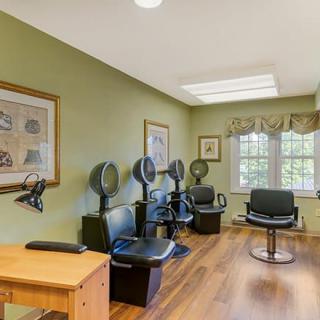
Beautician on-site
Beauty salon
Cable or satellite TV
Computer center
Devotional services off-site
Dining room
Fitness room
Fully furnished
Gaming room
Garden
Housekeeping services
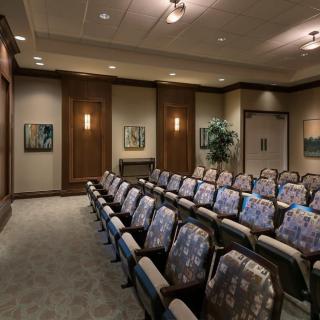
Indoor common areas
Kitchenette
Laundry
Move-in coordination
Outdoor space
Private bathrooms
Respite or short term stays offered
Restaurant-style dining
Security gate
Small library
Telephone
Wellness center
Wi-Fi/high-speed internet available
Transportation
Detroit Metropolitan-Wayne County (14 miles away)
Community operated transportation
Transportation arrangement
Transportation arrangement (non-medical)
Transportation to doctors appointments
Care Services
12-16 hour nursing
24-hour call system
24-hour supervision
Activities of daily living assistance
Ambulatory care
Assistance with bathing
Assistance with dressing
Assistance with transfers
Diabetes diet
Diabetic care
Hospice care
Meal preparation and service
Medication management
Mental wellness program
Physical therapy
Special dietary restrictions
Walking wheelchair assistance
Dining
Diabetes diet
Low / no sodium
Meals provided
Special dietary restrictions
Activities
Activities off-site
Activities on-site
Community-sponsored activities
Concierge services
Devotional activities offsite
Fitness programs
Planned day trips
Religious services
Resident-run activities
Scheduled daily activities
Languages Spoken
English
Nearby Places of Interest
This area of Livonia, Michigan offers a variety of amenities and services that cater to older individuals looking for a convenient and comfortable living environment. With multiple pharmacies within close proximity, accessing necessary medications and healthcare supplies is easily achievable. In addition, there are several places of worship nearby for those seeking spiritual fulfillment. For entertainment options, there are theaters with movies playing regularly as well as a selection of restaurants and cafes offering diverse dining experiences. The presence of hospitals and physicians' offices ensures access to quality medical care when needed. Furthermore, the abundance of parks in the area provides opportunities for outdoor recreation and leisure activities. Overall, this neighborhood in Livonia provides a well-rounded community for seniors seeking a safe and engaging place to call home.
Pharmacies
CVS Pharmacy (0.3 miles)
Rite Aid (0.8 miles)
CVS Pharmacy (1.3 miles)
Meijer Pharmacy (1.7 miles)
Walgreens (2.8 miles)
CVS Pharmacy (2.9 miles)
Kroger Pharmacy (3 miles)
Places of Worship
Ward Church (0.5 miles)
Church of the Holy Family (4.3 miles)
Brightmoor Christian Church (7 miles)
Muslim Community of Western Suburbs (8.1 miles)
Bible Believers Church (8.1 miles)
Theaters
Phoenix Theatres Laurel Park Place (0.6 miles)
Riviera Cinema (5.3 miles)
Emagine Theatres (6.1 miles)
Emagine Novi (6.2 miles)
Restaurants
Grand Tavern (0.6 miles)
Chipotle Mexican Grill (0.9 miles)
Shake Shack (0.9 miles)
J. Alexander’S Restaurant (1 miles)
BJ's Restaurant & Brewhouse (1.1 miles)
Chick-Fil-A (1.5 miles)
Twin Peaks (1.6 miles)
Cafes
Panera Bread (1.7 miles)
Panera Bread (5.2 miles)
Starbucks (5.3 miles)
Starbucks (5.9 miles)
Starbucks (6.2 miles)
Biggby Coffee of Westland (6.2 miles)
Tim Hortons (6.6 miles)
Hospitals
Trinity Health Wound Care - Livonia Hospital (1.7 miles)
Angel Gardens offers a competitive pricing structure for its residents, particularly when compared to costs in Wayne County and across Michigan. For semi-private rooms, Angel Gardens charges $1,600 per month, significantly lower than the average rate of $2,860 in Wayne County and the state average of $3,191. Similarly, the studio apartments at Angel Gardens are priced at $2,200 per month, which is notably more affordable than the county's average of $3,495 and the state's average of $3,824. This pricing strategy not only provides residents with cost-effective living options but also reflects Angel Gardens' commitment to offering quality care without compromising on financial accessibility.
Assisted living facilities offer crucial support for older adults needing help with daily activities but come with varying and significant costs, which can be financed through personal savings, government assistance programs, long-term care insurance, and home equity options. Professional guidance from experts can aid families in navigating these financial complexities to establish a sustainable budgeting approach for assisted living services.
Assisted living costs often exceed Social Security benefits, necessitating a combination of funding sources like state aid and Medicaid. Understanding the interaction between Social Security programs and available financial support is essential for affording such care.
The VA Aid and Attendance benefit provides financial support to veterans needing assistance with daily living due to medical conditions or disabilities, augmenting standard VA pensions for services like in-home care. Eligibility is based on service duration, wartime status, income, and medical needs, with a detailed application process required to access funds for caregiving and home modifications.
Get PricingAsk A QuestionSchedule A TourContact Senior Advisor
By clicking submit, you agree to our Partner's Terms of Use. You
also consent to receive calls and texts, which may be autodialed, from our Partner. Your consent is not a condition to
using our Partner's service. Please visit our Partner's Privacy Policy for information about their privacy practices.

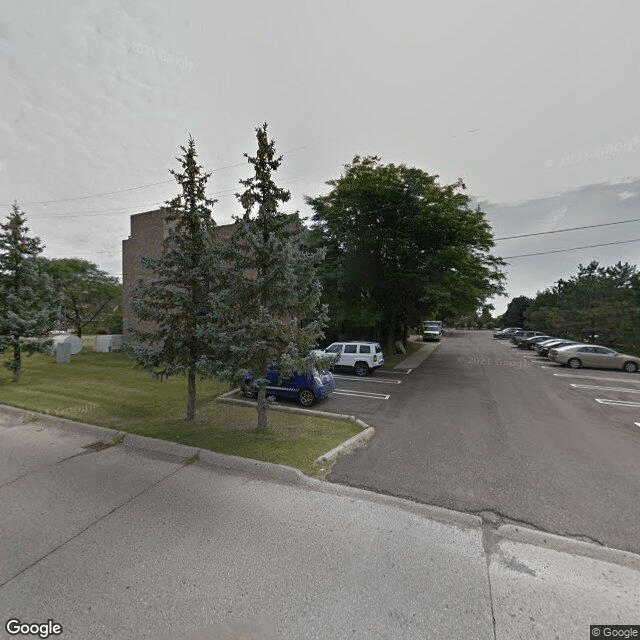

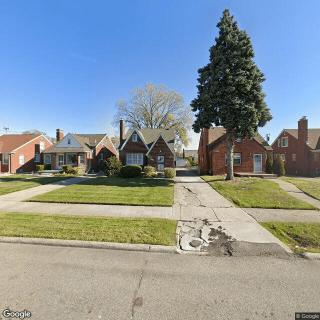
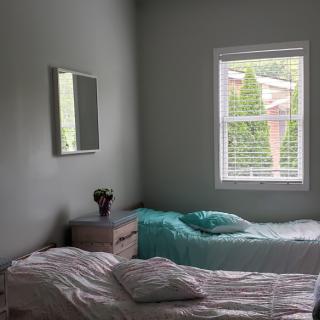

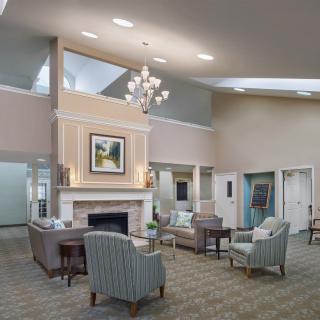
 99 resident community capacity
 Studio apartments
 Assisted Living
 Independent Living
 Cats allowed
 Dogs allowed
 Activities on-site
 Air-conditioning
 Beautician on-site
 Cable or satellite TV
 Computer center
 Devotional services off-site
 Dining room
 Fitness room
 Fully furnished
 Gaming room
 Garden
 Housekeeping services
 Indoor common areas
 Kitchenette
 Laundry
 Move-in coordination
 Outdoor space
 Private bathrooms
 Respite or short term stays offered
 Restaurant-style dining
 Security gate
 Small library
 Telephone
 Wellness center
 Wi-Fi/high-speed internet available
 Detroit Metropolitan-Wayne County (14 miles away)
 Community operated transportation
 12-16 hour nursing
 24-hour call system
 Ambulatory care
 Assistance with bathing
 Assistance with dressing
 Assistance with transfers
 Diabetes diet
 Diabetic care
 Hospice care
 Medication management
 Mental wellness program
 Physical therapy
 Special dietary restrictions
 Walking wheelchair assistance
 Concierge services
 Planned day trips
 English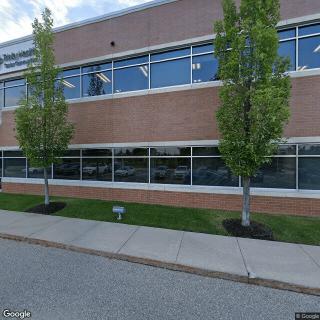
 Strong access to dining, parks, pharmacies, physicians, and cultural venues nearby.

 Securing Financial Support for Assisted Living: A Comprehensive Overview
 Social Security Benefits and Assisted Living: Navigating Options Across the U.S.
 An Extensive Exploration of the VA Aid and Attendance Benefit