
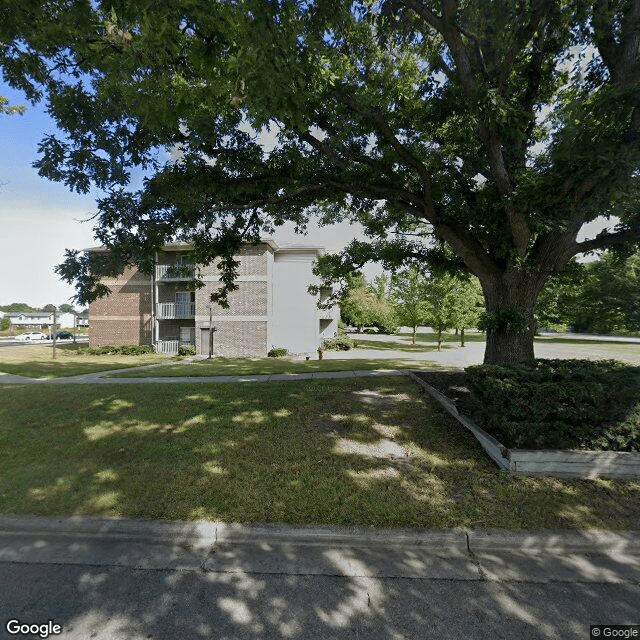
3900 Burneway Drive, Lansing, MI 48911
To contact a resident: (517) 887-8200
For more information about senior living options: (866) 208-4318
Twin Oaks Meadows Costs & Pricing
At Twin Oaks Meadows, the monthly costs for living arrangements present a striking contrast to both Ingham County and the broader state of Michigan. For a one-bedroom unit, residents enjoy an attractive rate of $550, vastly lower than the county average of $2,987 and the state average of $3,384. Similarly, the two-bedroom option is priced at $729, significantly more affordable than Ingham County's average of $2,197 and Michigan's overall average of $3,523. These competitive pricing structures not only reflect Twin Oaks Meadows' commitment to providing accessible housing but also position it as an excellent value in comparison to surrounding areas.
| Floor plans | Twin Oaks Meadows | Ingham County | Michigan |
|---|---|---|---|
| 1 Bedroom | $550 | $2,987 | $3,384 |
| 2 Bedrooms | $729 | $2,197 | $3,523 |
Senior living communities with a similar price nearby
-
from +$60 / mo
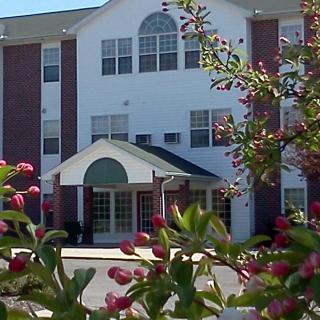
Colonial Woods
$610 to $770 / month2.0 miles away -
from +$94 / mo

Benson Hills Apartments
$644 to $740 / month10.7 miles away -
from +$49 / mo
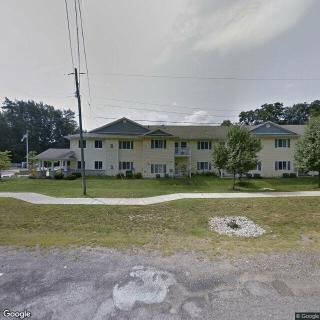
Kingston Place Apartments
$599 to $699 / month12.7 miles away -
from -$35 / mo
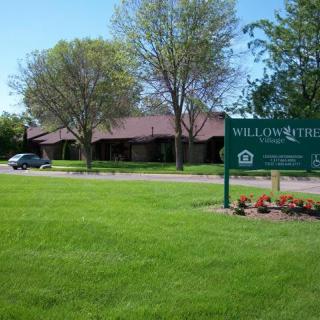
Willow Tree Village
$515 / month12.4 miles away -
from -$46 / mo
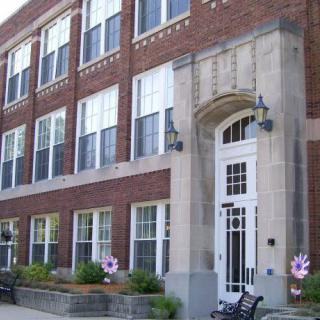
Jefferson Street Square
$504 / month11.1 miles away
Overall Review of Twin Oaks Meadows
Pros
 Life is described as great.
- It is a great place for geriatric seniors.
- The units are spacious.
- All units are wheelchair accessible and have door-opening buttons for self-opening doors.
- Laundry rooms are available on every floor.
- Each unit has an emergency call cord to alert emergency response.
Cons
 The building is infested with cockroaches and bed bugs and the elevator breaks down frequently, trapping residents with walkers during emergencies.
- The area has significant drug activity and crime, making it unsuitable for seniors who need close attention.
- The property manager does nothing about bedbugs, leaving the infestation unaddressed.
- Tenants say the building is heavily infested and advocate rent escrow until it is fixed.
- The reviewer would rate the place with zero stars.
- There are holes in the walls and a leak above the toilet that lasted seven months.
- The location is in a bad area of town.
Review
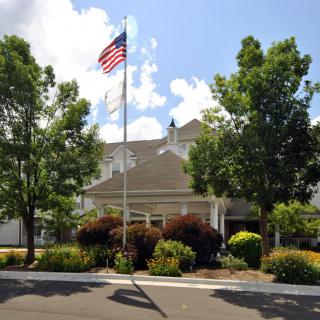
Twin Oaks Meadows in Lansing, MI is best suited for seniors who require constant monitoring and close medical attention, and for families willing to tolerate ongoing maintenance challenges in exchange for strong safety features. The facility emphasizes practical safety tools: every unit has an emergency call system, doors that open automatically, and full wheelchair accessibility. The units themselves are described as spacious, designed to accommodate walkers and other mobility aids, with floor-level laundry facilities that offer visible conveniences. These attributes create a compelling core for residents who need visible, immediate alert mechanisms and uncomplicated access to services.
Those considering alternatives should note who may not thrive here. Any family prioritizing pest control, pristine housekeeping, or consistently responsive management will want to look elsewhere. The neighborhood’s character, reported crime and drug activity in the surrounding area, also weighs into the decision, particularly for families seeking a sense of security outside the building itself. Additionally, anyone seeking hands-off maintenance and reliably smooth operations may find Twin Oaks Meadows falls short, given a history of resident reports about neglectful management and slow or ineffective problem resolution.
The upside rests on practical, day-to-day safety and accessibility features. The emergency call cords and self-opening doors provide straightforward, tangible protection for residents with medical needs or limited mobility. The generous unit sizes and universal wheelchair access support independence for as long as possible, reducing the risk of confinement to a single, poorly furnished space. On the financial side, the on-site laundry access on each floor, though priced at about five dollars per load, eliminates the logistics of carting clothes off-site for many residents and helps manage daily routines. These advantages create a legitimate baseline of safety and convenience that can offset some care requirements, but only to a point.
The weight of the cons, unfortunately, tends to dominate the experience. Infestations of bedbugs and cockroaches have been repeatedly reported, paired with maintenance delays that leave visible damage, holes in walls and leaks above bathrooms, unaddressed for months. Elevators that break down on a frequent basis compound mobility concerns, especially for residents who rely on elevators to access different floors. When management appears passive or unresponsive to pest issues, the risk escalates: infestations can worsen, diminish comfort, and undermine trust in the overall safety and livability of the community. The combination of lingering maintenance problems and pest control failures creates real and ongoing anxiety for families evaluating long-term residence for medically complex seniors.
The surrounding environment adds another layer of complexity to the decision. A neighborhood characterized by crime and drug activity compounds safety concerns, making adherence to routines and independent living more precarious. For residents with walkers or those who need reliable transit within the building, the frequent elevator outages and limited access to prompt repairs translate into real daily friction and increased fall risk. In short, the environment and the building’s operational reliability together threaten the consistency and peace of mind that families expect from an assisted living option.
Ultimately, Twin Oaks Meadows presents a clear trade-off: robust safety infrastructure and generous mobility accommodations on one side, with persistent pests, maintenance gaps, and a volatile neighborhood on the other. Those who must have constant monitoring and want the assurance of emergency communication will find value here, provided adherence to a stricter pest-control regime and a commitment to maintenance can be verified and sustained. For anyone where pest-free living, dependable maintenance, or a quieter, safer neighborhood are non-negotiables, alternatives should be pursued. Prospective residents should demand current pest-control reports, concrete maintenance response times, and a transparent elevator maintenance schedule, and should interview current residents about how quickly issues are resolved. The decision should hinge on whether the priority is life-safety features and accessibility despite chronic upkeep problems, or a cleaner, more stable environment with consistently responsive management.
 Active Adult Communities (55+)
 Cats allowed
 Dogs allowed
 Activities on-site
 Capital City (6 miles away)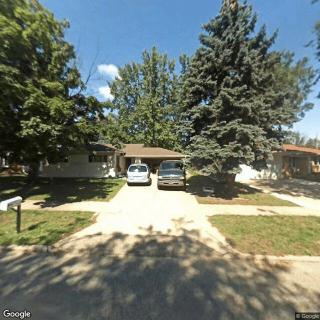
 Understanding the Nuances of Palliative Care and Hospice: A Comprehensive Exploration
 Fecal Incontinence in Older Adults: A Comprehensive Guide
 Recognizing the Journey: Understanding and Navigating Anticipatory Grief