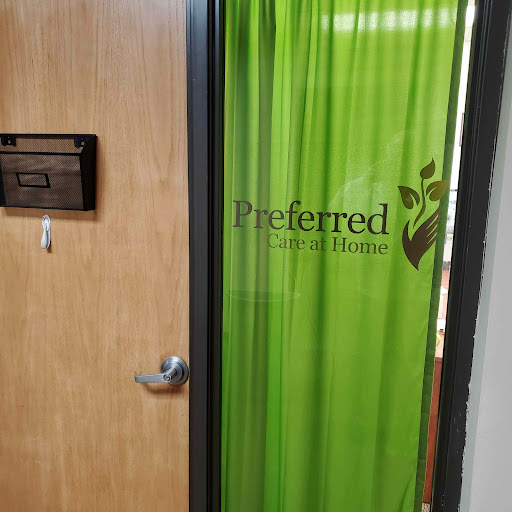




3815 W St. Joseph St, Ste B500A, Lansing, MI 48917
To contact a resident: (517) 351-3500
For more information about senior living options: (866) 208-4318
Overall Review of Preferred Care at Home of Lansing
Pros
 The staff at Preferred Care at Home are wonderful and amazing people.
- They were very respectful and met with the family the very next afternoon.
- The caregivers made the grandmother's remaining time on earth very easy.
- The caregivers are helpful, take the time to get to know clients, and are always on time for appointments.
- The management staff are friendly and professional, and help resolve issues.
- The company is reliable and provides a sense of stability with good communication.
- The company ensures smooth first sessions by providing an additional staff member when a new caregiver starts.
- Families would highly recommend Preferred Care at Home to others.
Cons
 The caregiver spent more time on their phone than engaging with the parents and was not proactive without being told what to do.
- After just three days, the caregiver quit without notice, leaving the parents without transportation to a doctor appointment.
- The person who organized the care initially said they would find a replacement but then stopped responding to emails and phone messages.
- The reviewer is disappointed and questions the industry’s business model of low wages leading to low commitment.
- The organization ghosted the family, never showing up as scheduled and failing to communicate.
- The service is extremely unreliable, unprofessional, and unkind.
- Dependability and accountability are not what the company is about; many staff are not trained or experienced, with frequent changes in caregivers.
- The arrangement caused nothing but total stress for the elderly clients and their family for months.
- The reviewer would never recommend this company.
Review
Preferred Care at Home of Lansing is best suited for families seeking in-home companionship and light-support services in the Lansing area, with an emphasis on responsive intake and a personable, local office presence. The model works best when the goal is dependable scheduling, courteous caregivers, and clear ongoing communication with a team that can coordinate care across days and tasks. It suits households that can tolerate occasional caregiver changes and are willing to lean on a proactive office to manage backups and new assignments.
Several reviews highlight genuine strengths when the arrangement clicks. Families report caregivers who are on time, attentive, and able to engage meaningfully with their loved ones. The agency frequently earns praise for respectful, compassionate staff, and for management that moves quickly to meet families’ needs, even helping with scheduling flexibility and ensuring someone is available when plans change. In meaningful health moments, such as end-of-life care or steady, day-to-day support, the care teams are described as stabilizing and human, with families feeling heard and supported by a responsive office that can coordinate additional staff for a smooth transition or a first session.
However, the service carries a notable and recurring tension between strong individual experiences and broader reliability issues. Several families describe caregivers who quit with little notice, or who fail to show up after an initial meeting, leaving clients without transportation or essential support. Other accounts lament inconsistent staffing, frequent changes in who visits, and a sense that the agency’s training and onboarding of new aides is not always robust enough to prevent disruption. A few reviews point to communication gaps or slow responses from ownership, which compounds the stress when care needs are urgent. Taken together, the pattern suggests that reliability is uneven and can be the deciding factor for families with higher expectations for continuity.
The pros can offset the cons when families invest in a structured, safety-conscious approach to care. Where a trusted caregiver does emerge, on-time visits, ongoing updates, and a visible commitment from the office to keep everyone in the loop create real value and peace of mind. The agency’s willingness to send an additional staff member to accompany a new caregiver on the first session demonstrates a practical, problem-solving stance that reduces the risk of missteps. For families that can tolerate some turnover and insist on proactive communication and a clear care plan, the positives often outweigh the negatives, provided the relationship is nurtured with explicit expectations and a solid backup strategy.
To minimize risk, prospective clients should seek concrete assurances before committing. Ask about typical turnover and caregiver retention, how backups are deployed when a regular aide is unavailable, and what the escalation process looks like if a caregiver misses a shift. Request a written care plan that names a primary and backup caregiver, outlines availability, and establishes response times for updates. Inquire about training practices, the office’s role in ongoing supervision, and how new staff are acclimated to a client’s routines. Understanding these safeguards helps families discern whether the agency can deliver steady support or if a more consistently staffed option is warranted.
In sum, Preferred Care at Home of Lansing operates as a viable choice for households prioritizing companionship, caregiver warmth, and flexible scheduling, especially when management is actively engaged and a plan for backups is in place. The decision hinges on tolerance for turnover and the strength of the office’s responsiveness. For families where unwavering consistency and a rock-solid, low-variability care team are non-negotiable, it may be prudent to explore alternatives or insist on robust guarantees and a formal continuity plan before committing.
 Capital City (4 miles away)
 Anytime dining





 Understanding the Sandwich Generation: Stress and Responsibilities for Multigenerational Caregivers
 8 Essential Assistive Devices for Older Adults
 Navigating the Financial Road to Nursing Home Care: In-Depth Guidance and Resources