
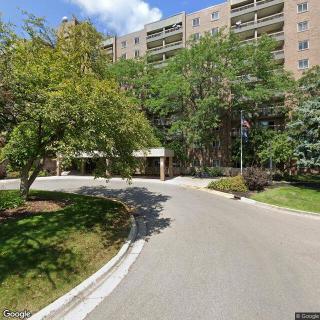
1204 West Michigan Avenue, Lansing, MI 48915
For more information about senior living options: (866) 208-4318
Overall Review of Michigan Ave. Residential Care
Pros
 The home visits were very professional.
- The staff were on time for appointments.
- The care provided was thorough.
- The supervisor followed up with a call.
- The professionals delivering PIC line and infusion therapy were stellar and highly competent.
Cons
 The staff are rude and horrifically lazy at this establishment.
- It is the worst-run business the reviewer has ever seen.
- The staff clearly don’t care about their jobs, have chips on their shoulders, and treat customers like trash.
- Customers are advised to buy their items online.
- Appointment scheduling is chaotic: wrong phone numbers, last-minute cancellations, and rude case managers.
- Routine appointments are not reliably arranged, forcing customers to call and chase for availability.
Review
Michigan Ave. Residential Care in Lansing is best suited for families that rely on a steady stream of visiting healthcare professionals rather than on a flawless on-site care culture. The strongest value here comes when skilled staff, nurses, therapists, and case managers who visit the resident, deliver competent, timely care with clear follow-up. In short, the model works well for residents who already have an outside care team and simply need a residence that can host that care. Those seeking a consistently polished, courteous front-desk experience and frictionless scheduling will find this community falls short.
Alternatives are worth considering for families prioritizing seamless, respectful front-desk operations and ironclad scheduling. If on-site staff courtesy and reliability are non-negotiable, or if daily supervision is essential for a loved one with complex needs, this community may not meet expectations. Seniors who require frequent, predictable daily services or who struggle to advocate for themselves may encounter ongoing frustration. For PT/OT and infusion-related therapies, the clinicians who visit can be excellent, but the overall experience is uneven when the administrative framework is inconsistent. In these cases, a facility with a stronger resident-facing operations track record deserves attention.
Where the program shines, visiting clinicians demonstrate high competency and thoroughness. Reviews highlight professionals handling PIC-line care and infusion therapy as extremely capable, with solid problem-solving skills. After-hours responsiveness and prompt supervisor follow-up provide a safety net for urgent needs, showing that clinical care can be reliable when the right team is assigned. These strengths can deliver real value to residents with an established care plan who can rely on competent treatment during visits. Yet the upside depends on steady coordination; excellent clinicians lose impact if scheduling and communication collapse at the administrative level.
On the flip side, the service experience is undermined by frequent interpersonal and operational breakdowns. Multiple reviewers describe staff as rude, with some labeling the operation as poorly run. Wrong phone numbers, delays in appointment scheduling, and last-minute cancellations erode trust and create avoidable stress for families and residents. The recurring waiting-room ordeal, arriving early only to spend long periods waiting, reads as a systemic scheduling flaw rather than isolated incidents. When the facility becomes a barrier to timely care or respectful communication, the burden shifts decisively to families who must monitor every appointment and advocate for basic decency.
Decision-makers should test this community with clear accountability measures. Before committing, request a dedicated care manager, a documented scheduling protocol, and an escalation path for missed or late visits. Ask for guaranteed appointment windows and a commitment to timely follow-up after visits. Seek feedback from other families on day-to-day administrative reliability, not just clinical capability. If PT/OT or home-health therapies are central, compare in-facility options with reputable outside providers to ensure continuity of therapy without recurring scheduling chaos. Where therapy strength exists but operations lag, consider coordinating independent providers to bridge gaps or choosing a facility with a longer track record of resident-focused operations in the Lansing area.
Bottom line: Michigan Ave. Residential Care offers solid clinical care potential when a strong visiting team is matched with proactive administration. It is a conditional fit for families willing to supervise scheduling and push for consistently courteous service. For those who prize dependable front-desk interactions, predictable appointment timing, and respectful staff as core criteria, alternative options are prudent. In short, the clinical competency can be realized, but only with relentless attention to care coordination; without that, the cons significantly erode the overall value and safety of long-term residency.
 6 resident community capacity
 Assisted Living
 Cable or satellite TV
 Dining room
 Fully furnished
 Garden
 Housekeeping services
 Move-in coordination
 Outdoor space
 Telephone
 Wi-Fi/high-speed internet available
 Capital City (3 miles away)
 24-hour supervision
 Activities of daily living assistance
 Assistance with bathing
 Assistance with dressing
 Assistance with transfers
 Diabetes diet
 Meal preparation and service
 Medication management
 Special dietary restrictions
 Transportation arrangement (medical)
 Transportation to doctors appointments


 Beyond the Bingo Hall: 50+ Enriching Activities for Seniors in Assisted Living
 Understanding the Distinctions: Assisted Living and Memory Care Explained
 Guiding Elderly Parents Who Refuse Assisted Living: 6 Practical Steps