
309 South Elm Street, Jackson, MI 49202
For more information about senior living options: (866) 208-4318
Overall Review of Elm I Adult Foster Care
Pros
 The son is happier than he has been in many years.
- The staff treat him with respect and compassion.
- Pharaoh's is a good place to call home.
- The staff and owners are caring.
Review
Elm I Adult Foster Care in Jackson, MI is best suited for families seeking a small, home-like setting where a resident can receive highly personal attention from a close-knit team and feel genuinely cared for as part of a family. The strongest fit is for seniors who prioritize emotional well-being, consistent kindness, and a sense of belonging over the amenities of larger campuses. This community works well for individuals who thrive on familiar routines, regular, respectful interactions with caregivers, and the comfort that comes from owners who are actively involved in daily care. When a loved one values warmth, dignity, and a “home away from home” atmosphere, Elm I stands out as a compelling option.
Alternatives to consider naturally come into play for families with different needs. If 24/7 nursing oversight, complex medical management, or dementia-specific programming is non-negotiable, larger assisted living campuses or specialized memory care facilities may serve better. Families prioritizing extensive rehabilitative services, extensive on-site medical staff, or a wide network of healthcare partners might prefer settings designed to accommodate higher acuity. For those who seek a broader menu of social activities, structured daily schedules, or more formal campus amenities, exploring other models can prevent mismatches between expectations and reality.
The review highlights several clear strengths that make Elm I an appealing choice. The resident’s positive emotional trajectory, reported happiness after several months, speaks to the profound impact of well-timed, compassionate caregiving. Staff treatment is described as respectful and compassionate, a foundation that cultivates trust and reduces anxiety for both residents and families. The owners’ involvement is framed as genuinely caring, which often translates into steadier routines, better safety, and a sense that the setting is truly “home.” Taken together, these factors create a powerful offset to the uncertainties families face when considering less intimate care environments.
From a practical standpoint, the big advantage here is the ability to deliver individualized attention. In a smaller, home-like setting, caregivers can pick up on subtle shifts in mood, appetite, or comfort, and adjust daily routines quickly. Residents are likely to experience fewer abrupt transitions, with a familiar living space, predictable caregivers, and a culture that emphasizes respect. For families, this dynamic reduces the emotional burden of placing a loved one in care, since the day-to-day experience feels more like gentle, ongoing support than a rigid, institutional arrangement.
Aware that every situation carries trade-offs, it’s prudent to acknowledge potential considerations that come with smaller adult foster care. While the review notes a highly positive experience, families should assess whether medical and therapy needs align with what an intimate setting can sustain. If medical complexity increases, arranging timely access to external professionals and emergency transfer plans becomes critical. It is also wise to confirm how activities, meals, and safety checks are organized to ensure they meet evolving needs. In short, the warmth and personal touch are the core strengths; ensure these align with present and anticipated care requirements.
In final terms, Elm I Adult Foster Care represents a strong, practical match for families prioritizing a warm, respectful, home-like environment with attentive, owner-backed caregiving. It is particularly well-suited for residents who flourish under consistent interpersonal connection and a sense of daily routine that feels like family life. For those whose loved ones demand intensive medical oversight, dementia-specific programming, or a bustling campus atmosphere, exploring alternatives remains sensible. Prospective families should arrange for a firsthand visit, meet the caregivers and owners, and scrutinize staffing patterns, care planning, and escalation procedures to confirm that the model will continue to meet both current needs and anticipated changes.
 6 resident community capacity
 Assisted Living
 Cable or satellite TV
 Dining room
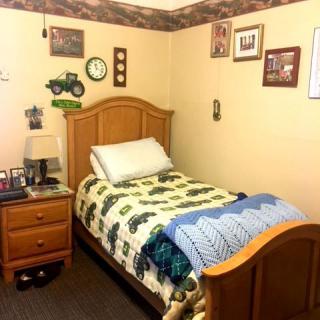
 Fully furnished
 Garden
 Housekeeping services
 Move-in coordination
 Outdoor space
 Telephone
 Wi-Fi/high-speed internet available
 24-hour supervision
 Activities of daily living assistance
 Assistance with bathing
 Assistance with dressing
 Assistance with transfers
 Diabetes diet
 Meal preparation and service
 Medication management
 Special dietary restrictions
 Transportation arrangement (medical)
 Transportation to doctors appointments



 8 Key Indicators That Suggest It May Be Time to Transition from Assisted Living to Skilled Nursing Care
 Vibrant Senior Living: A Comprehensive Guide for Active Older Adults
 When to Transition from Assisted Living to Memory Care: Key Indicators, Steps, and Finding the Right Community