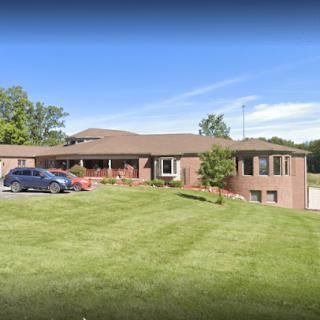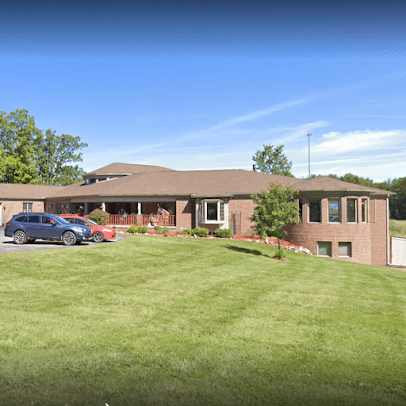
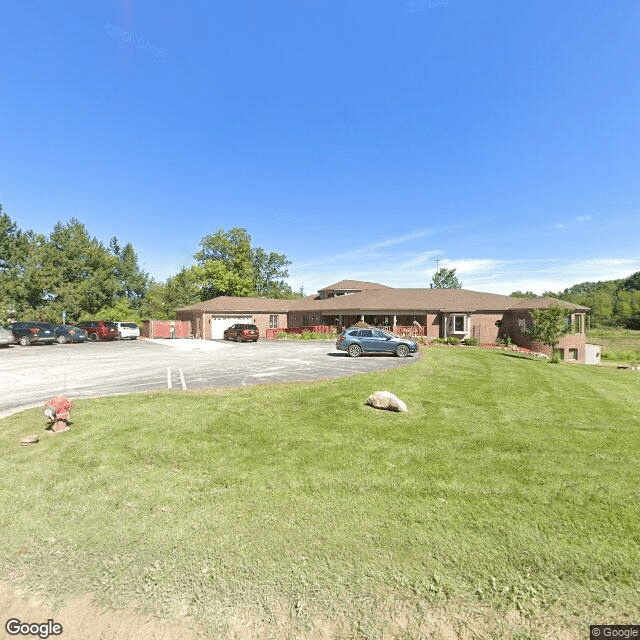
205 Francis Rd, Howell, MI 48843
To contact a resident: (517) 545-1275
For more information about senior living options: (866) 208-4318
Courtyard Manor of Howell Costs & Pricing
Courtyard Manor of Howell offers competitive pricing for its accommodations, reflecting the quality of care and services provided. For a semi-private room, the cost is $6,630 per month, which is significantly higher than the average rate in Livingston County at $3,952 and even more so compared to the state average of $3,191. Similarly, for a one-bedroom unit priced at $6,650, residents will notice that it exceeds both the county's average of $4,124 and Michigan's overall average of $3,384. While these rates may appear elevated in comparison to regional benchmarks, they likely encompass enhanced amenities and personalized care that cater to residents' unique needs within this vibrant community.
| Floor plans | Courtyard Manor of Howell | Livingston County | Michigan |
|---|---|---|---|
| Semi-Private | $6,630 | $3,952 | $3,189 |
| 1 Bedroom | $6,650 | $4,124 | $3,384 |
Memory care communities with a similar price nearby
-
About the same
Atria Park Of Ann Arbor
$6,695 to $9,495 / month22.4 miles away -
from +$328 / mo
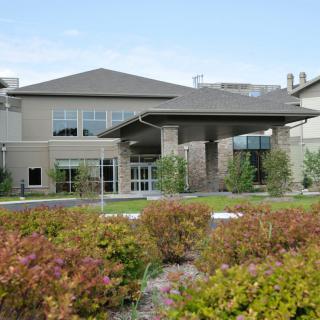
The Neighborhoods of White Lake
$6,958 / month22.4 miles away
Overall Review of Courtyard Manor of Howell
Pros
 Courtyard Manor of Howell is truly unique in its quality of care.
- The staff are phenomenal and residents are happier for it.
- The care provided is loving and feels like a home.
- Courtyard feels like a family with wonderful personal care.
- Hospice care at Courtyard is outstanding.
- The staff are loving and attentive; residents feel safe, loved, and content.
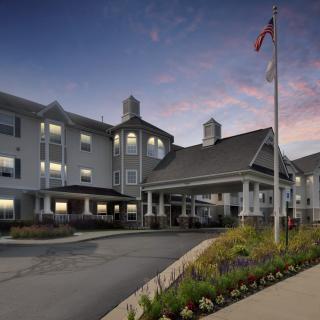
- The facility is well maintained, clean, and has a welcoming atmosphere.
- Residents participate in daily activities and engaging programs.
- Families highly recommend Courtyard Manor of Howell.
Cons
 The staff do not know what they do not know.
- The meals were just average.
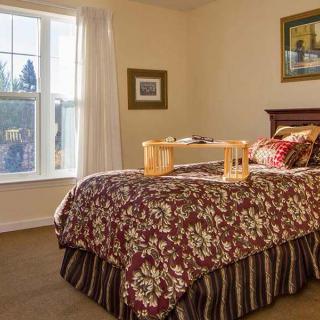
- The rooms are very tiny and barely have space for a bed and a dresser.
- There are many shared rooms that feel cramped for a resident.
- It smells like a rest home, with a strong odor of wet and poopy diapers.
- The cost is much higher than the previous facility.
Review
Courtyard Manor of Howell is best suited for families pursuing a small, home-like setting where residents with significant care needs, especially advanced dementia and hospice scenarios, receive constant supervision and genuinely warm, hands-on support. The community consistently reads as a place where staff know residents well, participate in daily routines, and welcome families into the flow of meals, activities, and care decisions. The size and layout foster a sense of belonging rather than impersonality, helping caregivers feel that their loved one is observed closely and treated as a person, not a number.
That said, this is not the pick for everyone. Alternatives make sense for families prioritizing lower cost, private rooms, or a more clinical environment with broader medical amenities. Bigger campuses with higher-capacity memory-care wings may offer more private space and a wider array of on-site services. If private rooms, newer finishes, or a more institutional setting are non-negotiables, Courtyard Manor may feel constraining. Some families also find the price premium hard to justify if the care level needed does not demand top-tier dementia or hospice programming.
The strongest pros here are the staff’s consistently loving, attentive care and the home-like atmosphere that pervades daily life. Residents are engaged, opportunities for social interaction are built into the day, and family members frequently note the staff’s willingness to tailor routines to individual preferences. The facility’s small scale supports a favorable staff-to-resident ratio, enabling quick responses to calls, timely medication administration, and steady supervision, qualities that matter immensely for memory-care and end-of-life care. The open dining arrangement and communal activities reinforce a sense of community rather than isolation, an important offset to the costs and room constraints.
On the downside, several reviewers point to cost and space limitations as meaningful considerations. Courtyard Manor’s model blends a base rate with a “care level” add-on, which can escalate quickly if a resident’s needs intensify; families should verify which level is truly required and how it will affect ongoing charges. The physical plant shows wear in places, and some notes mention smaller rooms and shared accommodations that can feel cramped for those with larger furniture or a desire for private space. A few experiences reference a rest-home odor in parts of the building, reminding that even a beloved intimate setting can carry tangible sensory drawbacks. While not universal, these factors can influence long-term satisfaction if privacy or budget is a guiding priority.
Programming and daily life emerge as consistent bright spots. The center offers familiar activities, games, and ongoing engagement that keep residents mentally and socially connected, with staff guiding transitions if particular activities are declined. The quality of dementia-focused and hospice-related care receives repeated praise, including compassionate leadership and highly involved nursing support. Families often report that their loved ones feel safe, content, and well cared-for, with documentation and postings (such as meal plans or recipes) contributing to transparency and trust. In short, the atmosphere supports dignity, comfort, and continuity, critical when choices hinge on quality of life.
Decision-making guidance for families is practical and clear. If the objective is a warm, intimate environment where care for dementia and end-of-life needs is a primary strength, Courtyard Manor of Howell stands out. It delivers a level of personal attention and family involvement that few small communities can match, and its staff consistently earns trust through demonstrated compassion and reliability. Where this facility may falter is cost clarity and private-space expectations; if the budget is tight or private rooms are non-negotiable, or if a more clinical setting with broader services is needed, it pays to review alternatives with a similar emphasis on safety and individualized care. Conduct a thorough tour, request a clear breakdown of care-level pricing, and speak with current families about daily life, before making a final commitment.
 Studio apartments
 Assisted Living
 Memory Care
 Activities on-site
 Beautician on-site
 Cable or satellite TV
 Devotional services off-site
 Dining room
 Garden
 Guest parking
 Housekeeping services
 Indoor common areas
 Laundry
 Respite or short term stays offered
 Wi-Fi/high-speed internet available
 Transportation & parking
 Diabetic care
 Hospice care
 Incontinence care
 Medication management
 Psychiatric care
 Diabetes diet
 Kosher
 Special dietary restrictions
 Arts and crafts
 Cooking club
 Games
Games Light therapy programs
 Live musical performances
 Stories

 Comprehensive Insights on the Late Stages of Dementia: What to Expect and How to Provide Care
 Medications Associated with Dementia Risk: A Comprehensive Overview
 Guiding Your Journey: Understanding Power of Attorney for Elderly Parents