
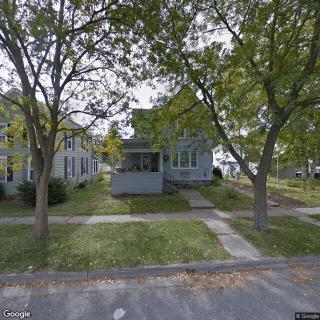
5335 28 Mile Road, Homer, MI 49245
For more information about senior living options: (866) 208-4318
Overall Review of Mulkey Adult Foster Care
Pros
 They offer outdoor spaces for residents to enjoy.
- The porch area is covered by an awning, offering shade.
- There is a roof area available for outdoor use by residents.
- They provide opportunities for residents to spend time outdoors.
Cons
 They let their residents smoke weed on the awning over the porch, which seems unsafe.
- They allow smoking on the roof, which is a safety hazard.
- The approach to safety appears lax and concerning.
- This policy creates clear safety risks for residents.
Review
Mulkey Adult Foster Care in Homer, Michigan is best suited for seniors who want a compact, home‑like living arrangement and can function with close, hands‑on attention from caregivers. This setting delivers a personal, neighborly routine more than a clinical pathway, appealing to families that value intimate contact with caregivers and a sense of everyday life that resembles a private home. Residents who excel here typically do not require heavy medical coordination, benefit from small caregiver teams, and welcome the involvement of family members in daily oversight. The model works best when those family members stay engaged, regularly checking safety practices, medication management, and the overall quality of daily life.
Those who demand rigid safety protocols, consistent, round‑the‑clock supervision, and robust medical oversight should consider alternatives. Larger, licensed assisted living facilities with formal staff coverage, detailed incident reporting, and standardized care plans often provide clearer accountability. If any hesitation exists about staff training, supervision levels, or the ability to respond quickly to emergencies, exploring other options in the Homer area is advisable. The strongest concern raised in the available information points to safety vulnerabilities that can be decisive for residents with mobility or cognitive needs.
On the upside, a small, home‑like environment can foster meaningful relationships and highly individualized attention when staffing is reliable and attentive. In ideal circumstances, a resident’s day is shaped by familiar faces, predictable routines, and flexible assistance that larger campuses struggle to match. Those potential benefits would offset the drawbacks only if consistent oversight and safe practices are demonstrably in place. Without that, the warmth and closeness can feel like a veneer that hides underlying safety gaps.
The central red flag is explicit safety risk: residents smoking marijuana on an awning over the porch and even on the roof. That arrangement implies weak boundary enforcement, lax supervision, and dangerous exposure to fall hazards, smoke, and potential interactions with medications. For seniors, especially those with balance issues or cognitive impairment, such an environment is unacceptable. It undermines the entire purpose of supportive living and casts doubt on whether daily safety checks are being performed with sufficient rigor.
For families seriously weighing this option, several concrete steps are essential before decision‑making. Verify licensure and any enforcement actions, request current staff‑to‑resident ratios, and observe how supervision is actually carried out during different times of day. Inquire about outdoor safety measures, smoking policies, emergency response protocols, medication administration practices, and access to medical coordination. Speaking with current residents and their families can reveal whether promises of attentive care translate into consistent, safe practice. Compare these findings with nearby facilities that offer similar levels of care but with more transparent safety records.
Bottom line: this community requires cautious consideration. The single public report highlights a fundamental safety concern that cannot be dismissed. If choosing Mulkey, approach it as a short list of probing questions rather than a guaranteed option: insist on a thorough tour, verify licensing, probe staff training and supervision, and demand evidence of safe outdoor spaces and stringent smoking policies. For families able to tolerate the inherent risks of a small, home‑based setting, it may still present value, but only after rigorous verification and direct, in‑person validation that the care environment lives up to essential safety standards. Otherwise, alternatives with clearer risk controls should take precedence.
 6 resident community capacity
 Assisted Living
 Cable or satellite TV
 Dining room
 Fully furnished
 Garden
 Housekeeping services
 Move-in coordination
 Outdoor space
 Telephone
 Wi-Fi/high-speed internet available
 24-hour supervision
 Activities of daily living assistance
 Assistance with bathing
 Assistance with dressing
 Assistance with transfers
 Diabetes diet
 Meal preparation and service
 Medication management
 Special dietary restrictions
 Transportation arrangement (medical)
 Transportation to doctors appointments



 Understanding the Distinctions: Assisted Living and Memory Care Explained
 Guiding Elderly Parents Who Refuse Assisted Living: 6 Practical Steps
 Your Comprehensive Guide to Luxury Assisted Living: Elevated Facilities, Amenities, and Costs