
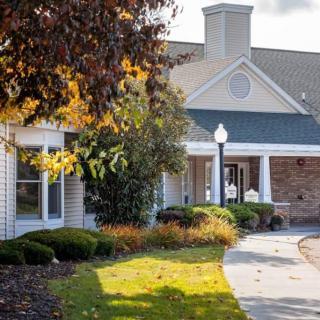
1051 College Avenue, Holland, MI 49423
For more information about senior living options: (866) 208-4318
Overall Review of Helping Hands
Pros
 The staff are very caring and passionate.
- They meet their clients’ needs and provide great, friendly service.
- Alliance is a top-notch agency; their team really cares about the people they serve every day.
- They are having a great time with Alliance Home Health Care and consider them the best.
Cons
 The agency was unprofessional and had no communication.
- Alliance promised to clean the house a couple of times per month, but no one has shown up since their cleaner quit.
- Alliance is struggling to find workers and there is no sense of urgency to resolve the issue.
- They should have sent someone to perform a partial cleaning, even if it was only every other week.
- They were very disappointed.
Review
Helping Hands in Holland, MI is best suited for families that want deeply compassionate, person-centered in-home care where caregivers genuinely invest in the daily well-being and mood of an Aging loved one. The strongest praise across multiple reviews centers on caring, passionate staff who connect with clients, offer friendly interaction, and deliver attentive service. When caregivers are present, families report meaningful engagement, consistent warmth, and a sense that the person receiving care is valued and understood. For households that measure quality by the human touch, this provider stands out as a source of daily reassurance and personal connection.
That said, positioned against its strengths are clear operational gaps that some families will want to avoid. A recurring concern is unreliable housekeeping and inconsistent communication, driven by staffing challenges. One review bluntly labeled the service as unprofessional due to missed cleanings and a lack of urgent follow-through when a cleaner quits. The message is not that care isn’t offered; it is that organizational discipline around scheduling, coverage, and timely updates can falter when staffing is tight. For families where dependable service windows, timely updates, and predictable routines are nonnegotiable, these gaps may push them to consider alternatives.
The positive care culture helps offset some drawbacks, but only for families who can actively manage the arrangement. The strongest offset is the exceptionally attentive, personable caregiving staff, the kind of team that makes daily routines smoother, reduces anxiety, and enhances independence for a mobility-limited loved one. When the care team is stable, residents feel respected, and families gain confidence that the emotional and practical support will be there. However, the benefit diminishes if housekeeping falls through or communication becomes sporadic, because those missed tasks can erode safety and daily functioning just as much as companionship uplifts spirits.
From a risk-management perspective, the principal cons are manageable with proactive practices. The core issues, staffing gaps, periodic lapses in housekeeping, and slow or unclear communication, are not about the core caregiving ethic but about operations. Families can mitigate by insisting on a clear service schedule, a guaranteed primary caregiver, written expectations for housekeeping tasks, and an escalation path if coverage slips. A contract that specifies response times, backup coverage, and routine check-ins can transform a potential weakness into a controllable risk. Without that structure, the same strengths, patience, warmth, and daily engagement, may never fully translate into reliable, long-term peace of mind.
For decision-making, consider Helping Hands if the priority is a warm, relationship-driven caregiving experience and if the family can actively participate in scheduling and oversight. It is less ideal for households where a guaranteed housekeeping cadence and crystal-clear, timely communication are essential: in those cases, alternatives with more rigid operational systems, such as a traditional assisted living setting with on-site management or a larger in-home agency with proven reliability, may deliver steadier results. Those families should screen options for coverage guarantees, caregiver consistency, and a robust administrative backbone to minimize the chance of service gaps.
In the end, Helping Hands offers a compelling blend of heart and hands: caregivers who truly connect, and a service ethos that can improve quality of life through daily interactions and personalized attention. The decisive caveat is the operational fragility in housekeeping and communication that can accompany a lean staffing picture. For families ready to couple exceptional caregiver rapport with proactive oversight, the arrangement can work beautifully. For those requiring absolute reliability in every facet of service, exploring alternatives with stronger organizational safeguards will likely yield greater consistency and fewer moments of doubt about coverage.
 6 resident community capacity
 Assisted Living
 Cable or satellite TV
 Dining room
 Fully furnished
 Garden
 Housekeeping services
 Move-in coordination
 Outdoor space
 Telephone
 Wi-Fi/high-speed internet available
 24-hour supervision
 Activities of daily living assistance
 Assistance with bathing
 Assistance with dressing
 Assistance with transfers
 Diabetes diet
 Meal preparation and service
 Medication management
 Special dietary restrictions
 Transportation arrangement (medical)
 Transportation to doctors appointments







 An Extensive Exploration of the VA Aid and Attendance Benefit
 Senior Transition Services: Understanding Their Role, Cost, and Importance
 Exploring the Path to Senior Living: A Comprehensive Look at Independent Living and Assisted Living