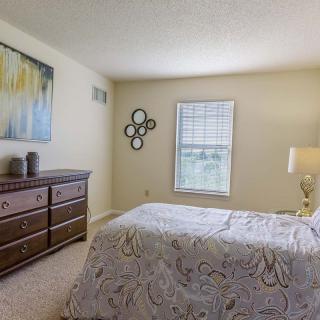
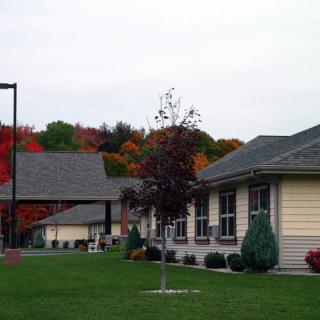
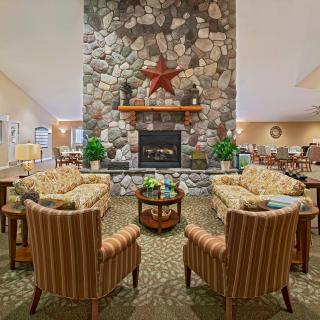
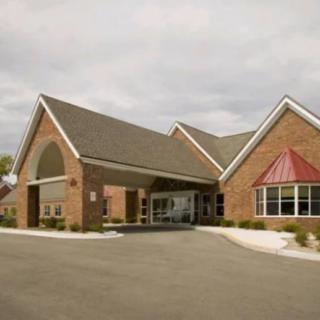
Pineview Cottage in Harbor Springs, MI

Save
Pineview Cottage Pineview Cottage

Pineview Cottage in Harbor Springs, MI

3498 Harbor-Petoskey Road, Harbor Springs, MI 49740

For more information about senior living options: (844) 490-3973

3.3 from 21 reviews
5 stars
12
4 stars
0
3 stars
0
2 stars
1
1 stars
8

Assisted Living Memory Care

Pineview Cottage Costs & Pricing

Pineview Cottage offers a premium level of accommodation with its studio unit priced at $5,000 per month. When comparing this to the average costs in Emmet County, which stands at $3,363, and the broader state of Michigan, where the average is around $3,824, it's clear that Pineview Cottage positions itself as a higher-end option. This pricing reflects not only the quality of amenities and services provided but also potentially caters to a clientele seeking a more luxurious living experience. While the costs are significantly above both county and state averages, they may be justified by superior features that enhance residents' overall comfort and satisfaction.

Floor plansPineview CottageEmmet CountyMichigan
Studio$5,000$3,363$3,824

Overall Review of Pineview Cottage

Pros

  • pro The staff truly feel like family and do so much more than basic care.
  • pro The facility is immaculate, and the food rivals that of local restaurants.
  • pro Residents in the memory care unit are treated like family with dignified care.
  • pro The staff are friendly, attentive, and quick to answer questions and show the facility.
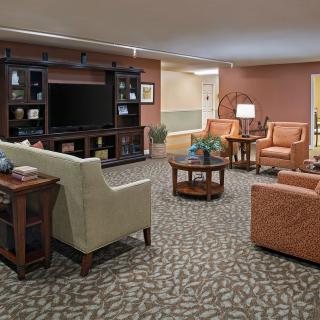
  • pro Pineview Cottage is modern, clean, and well maintained.
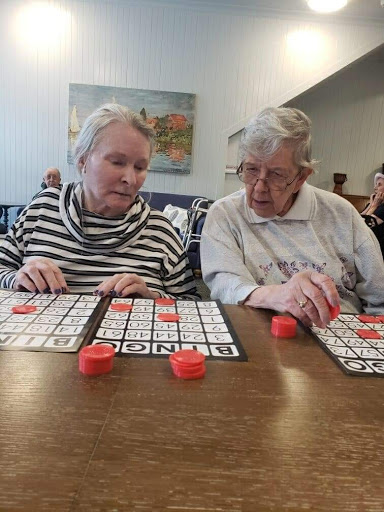
  • pro The staff provide engaging activities, such as crafts, movies, puzzles, and music therapy.
  • pro Hilde Bonesteel is a registered nurse who understands senior care and leads with compassion.
  • pro The facility is described as state-of-the-art and thoughtfully designed to serve the local community.

Cons

  • pro The facility is run as a for-profit operation where the resident's needs are not prioritized, and the owner is not trustworthy.
  • pro The owner claims Alzheimer's expertise but cannot actually deliver competent care; the staff are undertrained.
  • pro The staff appear afraid of the owner, and updates or questions are not provided to families.
  • pro Residents can be moved from assisted living to memory care, sometimes with little or no warning.
  • pro State citations/infractions suggest the facility is ill-equipped to care for residents who cannot participate in their own care.
  • pro The owner's unprofessional behavior, including temper, creates a troubling environment.
  • pro Families feel they pay high fees for limited time their loved ones actually spend there.

Review

Pineview Cottage in Harbor Springs is best suited for families seeking a modern, clean, and socially active assisted living environment where memory care is ingrained in the care culture. The community shines for residents who want a home-like atmosphere where staff are consistently engaged, warm, and willing to involve families in daily life. It works well for individuals who can participate in activities and who value strong personal connections with caregivers, cooks, and administrators. The facility itself traits a well-kept, inviting vibe with plenty of common areas for crafts, music, and social moments that reduce isolation. It is not the right pick for those needing rigid governance, transparent, consistently delivered updates, or highly regulated, nursing-level oversight.

Those who may want to consider alternatives include families prioritizing predictable communications and a clearly documented chain of command. Several reviews raise concerns about ownership style and the consistency of oversight, including reports of limited updates and abrupt care changes that shift a resident's placement without ample notice. For families who demand neutral, easily verifiable governance, or who worry about being treated like a number in a for-profit system, other local options - especially nonprofits or providers with firmer, more transparent accountability - may feel safer. Additionally, residents with complex medical needs that require around-the-clock medical monitoring or strict memory-care protocols may find Pineview's model insufficient unless carefully negotiated in a personalized plan. Cost considerations are real here, and some families question whether fees align with the level of individualized attention delivered.

The strongest pros at Pineview Cottage are the palpable warmth of the care team and the ability to feel like a part of a close-knit community. Families report that staff genuinely treat residents like family, with memory-care trained caregivers who routinely engage residents in meaningful activities, snacks, and social routines. The kitchen earns compliments for high-quality meals, sometimes described as restaurant-grade, and the overall cleanliness and modern feel of the building reinforce a sense of dignity and comfort. The administration, including the owner with nursing background, is repeatedly framed as knowledgeable and invested, with staff who are accessible and responsive to questions during tours and onboarding. The setting - an attractive, purpose-built facility in a scenic Michigan town - adds to the perceived value for families who want a special place that feels distinct from a chain.

However, the cons must be weighed with equal candor. The most pointed risks revolve around governance style and communication. Some reviews describe a tense dynamic with the owner that undermines staff morale and raises questions about consistency, updates, and problem resolution. There are reports of sudden moves between assisted living and memory care, limited advance notice, and even unrequested eviction timing - factors that can destabilize a resident's routine and family plans. Cost is another recurring concern, with some families feeling that fees correlate poorly with the level of individualized care and with the inconsistencies in how care decisions are communicated. A minority of accounts mention disquieting incidents (including interactions with law enforcement) and cite state infractions, underscoring the need for diligence and up-front legal clarity before committing.

To approach a decision with clarity, prospective families should anchor the evaluation in action-oriented steps. Begin with a thorough, on-site assessment that includes meeting the owner/administrator, the care director, and the CNA team, and observe how staff interact with residents across moments of routine and care tasks. Request current state licensing reports and any recent corrective actions, and ask for a detailed transition policy that governs moves between assisted living and memory care, including timelines and resident rights. Require a written care plan with explicit metrics for memory-care needs, daily activities, and family communication expectations. Bring contract terms into the light - look for cancellation clauses, fee schedules, and what constitutes fee increases, as well as a clear grievance process. Finally, interview several families currently using the community to gauge consistency of care, updates, and overall satisfaction.

In the end, Pineview Cottage offers a compelling blend of warmth, engaged staff, and a well-maintained, attractive setting that many families will value highly for a loved one who can participate in a vibrant social scene. For the right resident - one whose family can stay close, ask precise questions, and navigate a governance dynamic with clear expectations - the upside in memory-care capacity, personal attention, and a genuinely hospitable environment can far outweigh the downsides. Yet for families prioritizing unwavering transparency, predictability, and governance with less risk of abrupt changes or disputes, alternatives should be actively explored and compared. The prudent path combines a rigorous tour, careful contract scrutiny, and a grounded assessment of the resident's care trajectory, budget, and family involvement before making a commitment to Pineview Cottage.

Features

Housing

  • 40 resident community capacity 40 resident community capacity
  • Studio apartments Studio apartmentsStudio apartments are important for seniors because they offer a smaller, more manageable living space that is easier to navigate and maintain as physical abilities decline. Additionally, studio apartments provide seniors with independence and privacy while still being part of a community that offers support and social opportunities.

Types of Care

  • Assisted Living Assisted LivingAssisted living facilities provide crucial support and care for seniors who may need help with daily tasks such as medication management, bathing, and meal preparation. These communities offer a safe and comfortable environment where seniors can maintain their independence while receiving the assistance they need to thrive in their golden years.
  • Memory Care Memory CareMemory care is crucial for seniors as it provides specialized support and services for individuals with dementia or Alzheimer's disease. These programs offer a safe and secure environment where residents receive personalized care, cognitive stimulation, and help with daily activities. Memory care helps seniors maintain their independence, quality of life, and dignity while also providing peace of mind for their families.

Amenities

  • Activities on-site Activities on-siteActivities on-site are important for seniors because they provide opportunities for socialization, mental stimulation, physical activity, and overall well-being. Engaging in activities can help seniors stay active, maintain their independence, and improve their quality of life.
  • Beauty salon Beauty salonBeauty salons are important for seniors because they provide a space for them to feel pampered, socialize, and maintain their personal grooming and hygiene. Regular visits to a beauty salon can help boost seniors' self-esteem and overall well-being.
  • Cable or satellite TV Cable or satellite TVCable or satellite TV is important for seniors because it provides entertainment, news, and companionship, helping to combat loneliness and boredom. It also offers a wide range of programming options tailored to different interests and preferences.
  • Devotional services off-site Devotional services off-siteDevotional services off-site are important for seniors as they provide spiritual nourishment, social engagement, and a sense of community outside of the senior living facility. This can enhance overall well-being and help combat feelings of isolation and loneliness often experienced by older adults.
  • Dining room Dining roomDining rooms are important for seniors as they provide a space for socialization, connection, and nutritious meals. They offer opportunities for residents to bond over shared meals, foster a sense of community, and promote healthy eating habits. Dining rooms also ensure that seniors have access to well-balanced meals tailored to their dietary needs and preferences.
  • Fully furnished Fully furnishedFully furnished senior living communities are important for seniors because they provide convenience, comfort, and a hassle-free moving experience. Seniors can easily settle into their new living space without the stress of having to buy and move furniture. This allows them to focus on enjoying their new home and community.
  • Garden GardenGardens are important for seniors as they provide a peaceful and therapeutic environment for relaxation, physical activity, and socialization. Being in nature has been shown to reduce stress, improve mood, and promote overall well-being. Gardens also offer opportunities for seniors to engage in gardening activities, which can improve mobility, flexibility, and cognitive function. Additionally, gardens create a sense of community and connection with others who share a passion for plants and outdoor spaces.
  • Housekeeping services Housekeeping servicesHousekeeping services are important for seniors because they help maintain a clean and safe living environment, promote independence, and reduce the risk of accidents or illnesses. Additionally, having assistance with household chores can alleviate physical strain and allow seniors to focus on other aspects of their well-being.
  • Indoor common areas Indoor common areasIndoor common areas are crucial for seniors as they provide a space for socialization, recreation, and community engagement, promoting overall well-being and reducing feelings of isolation and loneliness.
  • Kitchenette KitchenetteKitchenettes are important for seniors living in senior living communities because they provide the convenience and independence of being able to prepare simple meals and snacks in the comfort of their own living space. This can help promote a sense of autonomy and well-being for seniors, allowing them to maintain some level of control over their dietary choices and daily routines.
  • Move-in coordination Move-in coordinationMove-in coordination is important for seniors because it helps ease the transition into their new living environment. It ensures that all logistics, such as packing, organizing movers, and setting up utilities are taken care of, allowing seniors to focus on settling in and adjusting to their new home. Having a smooth move-in process can alleviate stress and anxiety, making the transition smoother and more enjoyable for seniors.
  • Outdoor space Outdoor spaceOutdoor spaces are important for seniors as they provide opportunities for physical activity, social interaction, exposure to natural light and fresh air, and a sense of connection to nature. Having access to outdoor spaces can improve overall well-being and quality of life for older adults living in senior communities.
  • Restaurant-style dining Restaurant-style diningRestaurant-style dining is important for seniors because it allows them to enjoy delicious, nutritious meals in a social and upscale setting. This enhances their dining experience, promotes healthy eating habits, and fosters socialization with fellow residents, ultimately contributing to their overall well-being and quality of life.
  • Small library Small librarySmall libraries are important for seniors as they provide access to a variety of reading materials, including books, newspapers, and magazines. This can help stimulate their minds, keep them engaged, and provide a sense of community through book clubs and other social activities. Additionally, reading has been shown to improve cognitive function and overall mental well-being in older adults.
  • Telephone TelephoneTelephones are important for seniors as they provide a lifeline for communication with loved ones, emergency services, and healthcare providers. They offer a sense of security and independence, enabling seniors to stay connected and access assistance when needed.
  • Wi-Fi/high-speed internet available Wi-Fi/high-speed internet availableWi-Fi/high-speed internet is important for seniors to stay connected with loved ones, access online resources, and participate in virtual activities to combat feelings of loneliness and isolation. It also allows them to easily manage healthcare needs, access entertainment, and engage in lifelong learning opportunities.

Transportation

  • Pellston Regional  of Emmet County (12 miles away) Pellston Regional of Emmet County (12 miles away)

Care Services

  • 24-hour call system 24-hour call system24-hour call systems are important for seniors because they provide peace of mind and immediate assistance in case of emergencies. This technology ensures that help is always available, promoting safety and security for elderly individuals living alone or in assisted living facilities.
  • 24-hour supervision 24-hour supervision24-hour supervision is important for seniors to ensure their safety, well-being, and access to immediate assistance in case of emergencies or health issues. This constant support provides peace of mind for both seniors and their loved ones, allowing them to age in place with dignity and security.
  • Activities of daily living assistance Activities of daily living assistanceActivities of daily living assistance are important for seniors because they provide essential support with tasks such as eating, bathing, dressing, and mobility. This assistance helps seniors maintain their independence, dignity, and overall quality of life as they age.
  • Assistance with bathing Assistance with bathingAssistance with bathing is crucial for seniors as it helps maintain personal hygiene, prevents infections, and ensures their overall well-being and comfort. It also provides a sense of dignity and independence for seniors who may struggle with this task on their own.
  • Assistance with dressing Assistance with dressingAssistance with dressing is important for seniors because it helps maintain their independence, promotes personal hygiene, prevents accidents and injuries, and improves overall quality of life. This service ensures that seniors can continue to dress comfortably and confidently, despite any physical limitations they may have.
  • Assistance with transfers Assistance with transfersAssistance with transfers is crucial for seniors as it helps prevent falls and injuries, maintains their independence, and ensures they can safely navigate their living environment. It also provides peace of mind for both seniors and their loved ones.
  • Diabetes diet Diabetes dietA diabetes diet is crucial for seniors as it helps manage blood sugar levels, reduce risks of complications, and improve overall health and well-being. By following a balanced and nutritious diet tailored to their specific needs, seniors can better control their diabetes and enhance their quality of life.
  • Diabetic care Diabetic careDiabetic care is crucial for seniors as they are more susceptible to developing diabetes due to aging and other health conditions. Proper management of diabetes can help prevent complications such as heart disease, vision loss, and nerve damage, improving the overall quality of life for seniors in senior living communities.
  • Meal preparation and service Meal preparation and serviceMeal preparation and service are crucial for seniors as they may have limited mobility or energy to cook nutritious meals. Having access to healthy and convenient food options can ensure they are getting the proper nutrition needed to maintain their overall health and well-being.
  • Medication management Medication managementMedication management is crucial for seniors to ensure they are taking the right medications at the correct dosages and times. This helps prevent adverse drug interactions, reduces the risk of medication errors, and promotes overall health and well-being. Proactive management also allows for adjustments as needed based on changing health conditions or new prescriptions.
  • Mental wellness program Mental wellness programMental wellness programs are essential for seniors as they promote cognitive stimulation, emotional support, and social engagement. These programs help prevent isolation, depression, and cognitive decline, ultimately enhancing the overall quality of life for older adults.
  • Special dietary restrictions Special dietary restrictionsSpecial dietary restrictions are important for seniors because age-related changes in metabolism and health conditions can make it difficult for their bodies to process certain foods. By following a diet tailored to their specific needs, seniors can maintain their overall health and well-being, manage chronic conditions, and reduce the risk of complications such as malnutrition or food interactions with medications.

Dining

  • Diabetes diet Diabetes dietA diabetes diet is crucial for seniors as it helps manage blood sugar levels, reduce risks of complications, and improve overall health and well-being. By following a balanced and nutritious diet tailored to their specific needs, seniors can better control their diabetes and enhance their quality of life.
  • Meals provided Meals provided"Meals provided" are crucial for seniors in assisted living communities as it ensures they have access to nutritious, balanced meals without the stress of meal planning and preparation. This can help promote overall health and well-being for seniors who may have limited mobility or cognitive abilities.
  • Special dietary restrictions Special dietary restrictionsSpecial dietary restrictions are important for seniors because age-related changes in metabolism and health conditions can make it difficult for their bodies to process certain foods. By following a diet tailored to their specific needs, seniors can maintain their overall health and well-being, manage chronic conditions, and reduce the risk of complications such as malnutrition or food interactions with medications.

Activities

  • Activities on-site Activities on-siteActivities on-site are important for seniors because they provide opportunities for socialization, mental stimulation, physical activity, and overall well-being. Engaging in activities can help seniors stay active, maintain their independence, and improve their quality of life.
  • Community-sponsored activities Community-sponsored activitiesCommunity-sponsored activities are important for seniors as they provide opportunities for social interaction, mental stimulation, and physical activity. These activities can help improve overall well-being, combat loneliness and isolation, and promote a sense of belonging and purpose among older adults.
  • Devotional activities offsite Devotional activities offsiteDevotional activities offsite are important for seniors because they provide social engagement, spiritual growth, and a sense of community outside of their living environment. This can improve overall well-being, mental health, and combat feelings of isolation or loneliness.
  • Resident-run activities Resident-run activitiesResident-run activities are important for seniors as they encourage social interaction, creativity, and a sense of autonomy. These activities empower seniors to stay engaged and active in their community while fostering meaningful connections with their peers.
  • Scheduled daily activities Scheduled daily activitiesScheduled daily activities are important for seniors because they provide structure, socialization, mental stimulation, and physical activity. Engaging in regular activities can improve overall well-being and quality of life for seniors living in a community setting.

Description

Pineview Cottage in Harbor Springs, MI is an assisted living community that specializes in memory care. Our dedicated staff provides 24-hour supervision and assistance with activities of daily living such as bathing, dressing, and transfers. We have a mental wellness program in place to support the unique needs of our residents.

Our residents can enjoy a range of amenities including access to a beauty salon, cable or satellite TV, and a fully furnished living space. They can also take advantage of our indoor common areas and small library for relaxation and socialization. For those interested in maintaining their spiritual well-being, we offer devotional services off-site and have places of worship conveniently located nearby.

Dining at Pineview Cottage is a delightful experience with restaurant-style meals provided and special dietary restrictions accommodated. Our skilled chefs prepare delicious meals while keeping in mind specific dietary needs such as diabetes diets.

Engaging in activities is an integral part of life at Pineview Cottage. We offer community-sponsored activities, resident-run activities, and scheduled daily activities to keep our residents entertained and socially active. Additionally, there are two cafes, twelve parks, twenty-eight restaurants, and seven pharmacies located nearby for convenient access to various amenities.

At Pineview Cottage, we strive to provide a comfortable and supportive environment where our residents can thrive. With our comprehensive care services and extensive amenities, we aim to enhance the quality of life for those living with memory impairments. Visit us today to see how Pineview Cottage can be the perfect home for you or your loved ones!

Nearby Places of Interest

This area of Harbor Springs, Michigan boasts a variety of amenities that cater to the needs of seniors. With multiple physicians and medical facilities nearby, including Little Traverse Primary Care and Northern Michigan Rheumatology, residents have easy access to healthcare services. Additionally, there are several pharmacies such as Walgreens and Rite Aid in close proximity. For leisure activities, there are parks like Petoskey State Park and Spring Lake Park for enjoying nature, as well as restaurants like Vernales and Mim's for dining out. The community also offers places of worship such as Southern Baptist Convention and Church of Jesus Christ of Latter Day Saints for spiritual fulfillment. Overall, this area provides a convenient and comfortable environment for seniors considering senior living in Harbor Springs.

Physicians

  • Little Traverse Primary Care (0.1 miles)
  • Northern Michigan Rheumatology (1.3 miles)
  • North Bay Ophthalmology Pc (1.5 miles)
  • Up North Medical Center (1.6 miles)
  • Bayside Family Medicine (3.2 miles)
  • Summit Park Eye & Cosmetic Specialists (3.2 miles)
  • Dermatology & Associates (3.3 miles)

Transportation

  • Harbor Springs Municipal Airport (0.3 miles)

Hospitals

  • Northern Michigan Sports Medicine Clinic (0.5 miles)
  • Dermatology Associates of Northern Michigan (3.3 miles)
  • Community Mental Health Services Of Emmet County (3.4 miles)
  • McLaren Northern Michigan (4.6 miles)

Restaurants

  • Vernales (0.5 miles)
  • Polish Kitchen (0.5 miles)
  • Mim's (1.8 miles)
  • Subway (2.3 miles)
  • Culver's (2.3 miles)
  • Side Door (2.3 miles)
  • Big Apple Bagels (2.3 miles)

Parks

  • Petoskey State Park (1.1 miles)
  • Spring Lake Park (1.9 miles)
  • Harbor Springs Sk8 Park (3.5 miles)
  • Kosequat Park (3.6 miles)
  • Harbor Springs Deer Park (3.6 miles)
  • Fred Friedli Playground (4 miles)
  • Petoskey Waterfront (4 miles)

Pharmacies

  • Walgreens (2.2 miles)
  • Rite Aid (2.2 miles)
  • Kelbel's Pharmacy (4.1 miles)
  • R & R Prescription Services (4.5 miles)
  • Prescriptions Services Pharmacy (4.7 miles)
  • Rite Aid (4.8 miles)
  • Walgreens (4.8 miles)

Cafes

  • Starbucks (2.2 miles)
  • Small Batch at the Cupola (4.2 miles)
  • Dutch Oven Yarn Shop (5.7 miles)
  • Starbucks (5.8 miles)

Places of Worship

  • Church of Jesus Christ of Latter Day Saints (2.9 miles)
  • True North Community Church (3.2 miles)
  • Southern Baptist Convention (3.2 miles)
  • First Church of Christ Scientist (4.1 miles)
  • St Francis Xavier School (4.2 miles)
  • First Church Of Christ Scientist (4.4 miles)
  • Word of Life Community Church (4.5 miles)

Theaters

  • Petoskey Cinema (5.6 miles)

Frequently Asked Questions

How much does it cost to live at Pineview Cottage in Harbor Springs, MI?
What floor plans and room types does Pineview Cottage offer?
Where is Pineview Cottage?
Does Pineview Cottage provide care for residents with dementia or Alzheimer's disease?

Nearby Communities

  • Waters Edge Assisted Living

    Waters Edge Assisted Living

    Traverse City, MI


    pro Fully furnished apartments, chef-prepared meals, and 24/7 care.
  • Reus Residential Care Comm

    Reus Residential Care Comm

    Petoskey, MI


    pro Excellent access to nearby amenities (cafes, parks, healthcare, dining, transit, worship, and hospitals).

  • Bay Bluffs-Emmet Co Med Care Fac

    Bay Bluffs-Emmet Co Med Care Fac

    Harbor Springs, MI

    4 from 13 reviews
     

    pro Caring staff and a clean, home-like environment.

  • American House Petoskey

    American House Petoskey

    Petoskey, MI

    4.7 from 39 reviews
     

    pro Friendly, attentive staff in a clean, home-like community with engaging activities and meals.

  • Hillside Senior Apartments

    Hillside Senior Apartments

    Harbor Springs, MI


    pro Vibrant, amenity-rich senior living with easy access to healthcare, dining, parks, and transportation.

  • Perry Farm Village

    Perry Farm Village

    Harbor Springs, MI

    5 from 3 reviews
     

    pro Known-by-name, caring staff in a welcoming community with flexible housing options and 24/7 on-site medical support.

  • Independence Village Of Petoskey

    Independence Village Of Petoskey

    Petoskey, MI

    4.8 from 112 reviews
    $3,600 to $5,700 / month

    pro Beautiful, well-maintained campus with friendly staff and engaging activities.

  • The Brook of Boyne City

    The Brook of Boyne City

    Boyne City, MI

    3.9 from 22 reviews
    $1,530 to $2,450 / month

    pro Caring staff, clean facility, and good dietary accommodations.

  • American House Charlevoix

    American House Charlevoix

    Charlevoix, MI

    4.7 from 67 reviews
     

    pro Caring, attentive staff in a welcoming, activity-rich, and clean environment.

Assisted Living in Nearby Cities

Related Resources

  • when should someone with dementia go into a care home8 Important Indicators That Memory Care May Be Necessary

    The article highlights eight indicators that a loved one with dementia may require specialized memory care, emphasizing the emotional and logistical challenges families encounter in this decision. It discusses signs such as difficulties with daily tasks, safety concerns, and caregiver burnout, suggesting that memory care facilities can provide the necessary support and structured environments for those experiencing cognitive decline.

  • what do dementia patients think aboutDelving into the Inner World of Dementia: Insights into Thoughts and Awareness

    Dementia, primarily caused by Alzheimer's disease but also linked to other conditions, leads to cognitive decline impacting memory and daily functioning, with individuals experiencing varied awareness of their impairments. Despite memory loss, emotional connections persist, enabling responses to familiar stimuli, highlighting the need for caregivers to provide compassionate support that recognizes both limitations and retained emotional depth.

  • does my mom have dementia quizFive Subtle Dementia Indicators to Observe: An In-Depth Guide to Understanding “Does My Mom Have Dementia?”
    The article presents five subtle indicators of dementia, such as memory lapses and mood swings, to help families assess cognitive decline in loved ones. It emphasizes early detection, open communication, and seeking professional help while providing practical support steps.