
503 West Montcalm, Greenville, MI 48838
For more information about senior living options: (866) 208-4318
Overall Review of Greenville Adult Foster Care Home
Pros
 The residence seems very friendly.
- The residence is clean.
- The residence is equipped to handle the needs of the residents.
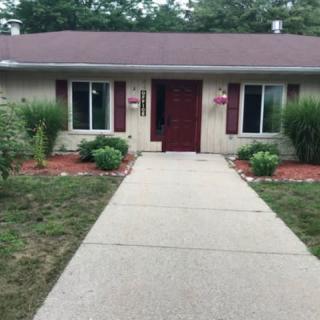
- The residence has a very homey setting.
Review
This community is best suited for seniors who want a small, home-like environment where care feels personal and staff know residents well. The standout qualities from the available input are a friendly atmosphere, clean living spaces, and a setting that is clearly equipped to handle everyday resident needs without sacrificing dignity. For families prioritizing quiet, predictable routines and a sense of belonging over a large campus experience, Greenville Adult Foster Care Home offers a compelling, down-to-earth option that centers comfort and daily familiarity.
Alternatives become worth considering for residents who require more intensive medical oversight, broader programming, or dementia-specific support. Larger assisted living communities, memory care units, or facilities with on-site rehabilitation and more structured activity schedules may be a better fit when medical complexity rises, mobility supports intensify, or social programming needs demand a wider range of organized experiences. If transportation to appointments, formal wellness supervision, or robust on-site amenities are non-negotiable, it is prudent to explore other options with more expansive service offerings.
The core advantages, friendliness, cleanliness, and a homey ambiance, face few counterweights here, but the lack of explicit cons in the available account is itself worth weighing. The immediate strengths translate into tangible benefits: residents are more likely to feel at ease, staff can observe subtle changes in health or mood quickly, and housekeeping standards tend to reduce daily friction for both residents and families. A family seeking a setting where daily life resembles a well-tended home can expect fewer hospital-like traces, which often lowers stress and supports consistent routines, medications, and meals.
Where trade-offs typically show up in smaller, residential care settings, this community’s footprint tends to be more intimate than expansive. Potential limitations may include a narrower slate of on-site activities, fewer recreational amenities, and a more limited number of staff per shift compared with larger campuses. Privacy dynamics and roommate configurations could also carry greater impact in a smaller home. Still, the upside, personal attention, quicker staff response, and a consistently clean, organized environment, often outweighs these concerns, especially for residents who thrive on close-knit interactions and predictable daily rhythms.
When weighing this option, prudent inquiry should focus on concrete care capabilities and daily life logistics. Confirm licensing and regulatory compliance, clarify typical staff-to-resident ratios by shift, and understand who handles medical tasks, medication management, and emergency procedures. Ask for a clear explanation of what “equipped to handle the needs of the residents” means in practice, level of assistance with activities of daily living, supervision, mobility aids, and access to healthcare partners. Probe meal planning, visitation policies, privacy protections, and how decisions about care changes are communicated to families. Finally, obtain a sense of cost structure, what is included, and how respite or temporary stays would work if needed.
In sum, Greenville Adult Foster Care Home presents a practical, dependable choice for families seeking a small-scale, personable environment where cleanliness and warmth underpin everyday life. It is particularly well-suited for residents who value a home-like atmosphere and attentive, familiar interaction with caregivers. However, if the care plan calls for advanced medical supervision, dementia-specific programming, or a richer menu of on-site activities, alternatives with larger staffs and broader services should be weighed. A focused visit and candid conversations about staffing, care plans, and daily routines will clarify whether this setting aligns with current and anticipated needs. Schedule a tour, interview staff and residents if possible, and walk through a sample day to validate that the homey promise translates into reliable, quality care.
 12 resident community capacity
 Assisted Living
 Board and Care Home
 Cable or satellite TV
 Dining room
 Fully furnished
 Garden
 Housekeeping services
 Move-in coordination
 Outdoor space
 Telephone
 Wi-Fi/high-speed internet available
 Kent County International (25 miles away)
 24-hour supervision
 Activities of daily living assistance
 Assistance with bathing
 Assistance with dressing
 Assistance with transfers
 Diabetes diet
 Meal preparation and service
 Medication management
 Special dietary restrictions
 Transportation arrangement (medical)
 Transportation to doctors appointments




 Assisted Living Support for Veterans: A Complete and Detailed Overview
 Exploring the Contrasts Between Assisted Living and Skilled Nursing
 8 Key Indicators That Suggest It May Be Time to Transition from Assisted Living to Skilled Nursing Care