
3962 Whispering Way, Grand Rapids, MI 49546
For more information about senior living options: (866) 208-4318
Alzheimer's Center Costs & Pricing
The Alzheimer's Center offers a competitive monthly rate for private rooms at $3,400, which is notably lower than the average costs in Kent County, where the typical charge is approximately $5,194. In comparison to the broader state average of around $3,675 for similar facilities in Michigan, the Alzheimer's Center provides a cost-effective option that still maintains high standards of care. This pricing structure not only reflects an appealing value for families seeking specialized dementia care but also positions the center as a viable alternative amidst rising costs in the region.
| Floor plans | Alzheimer's Center | Kent County | Michigan |
|---|---|---|---|
| Private | $3,400 | $5,194 | $3,674 |
Assisted Living communities with a similar price nearby
-
from +$520 / mo
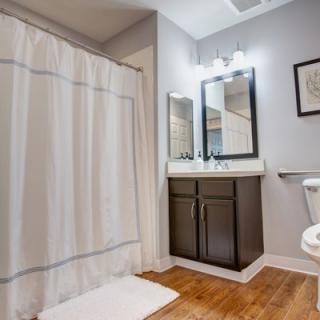
StoryPoint Rockford
$3,920 to $6,150 / month13.5 miles away -
from +$150 / mo

The Village of Heather Hills
$3,550 to $3,850 / month1.7 miles away -
About the same
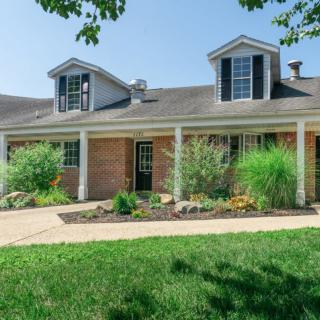
Commonwealth Senior Living at Grand Rapids
$3,450 to $4,950 / month6.3 miles away -
About the same
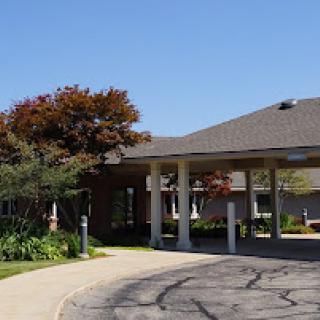
Railside Living Center
$3,400 / month10.4 miles away -
from +$360 / mo

Rivertown Ridge
$3,760 to $4,820 / month9.7 miles away
Overall Review of Alzheimer's Center
Pros
 The nonprofit is highly praised for providing valuable information and contacts that helped the family immensely.
- The organization offers guidance on paperwork, next steps, and emotional support for families facing a new diagnosis.
- The family is forever grateful for the nonprofit's help.
- The walk on September 15, 2018 demonstrated strong community involvement in support of the cause.
Cons
 None found in the provided reviews.
Review
This Alzheimer's Center in Grand Rapids is best suited for families confronting a new dementia diagnosis who need trusted guidance, clear next steps, and substantial emotional and logistical support. The nonprofit character of the operation matters: it signals a mission-driven approach rather than a sales push, and that translates into practical help during a chaotic time. When a loved one has been newly diagnosed, families often face paperwork, legal questions, and care-roadmapping that can feel overwhelming. In that frame, the center shines by becoming a reliable information hub and an advocate who can connect families to local resources, professionals, and pragmatic pathways forward.
Those who may want to consider alternatives are those seeking hands-on, day-to-day care within a living environment designed to care for people with memory impairment. The center’s strengths lie in guidance, referrals, and emotional support, not in delivering on-site memory-care services, daily activity programming, or a residence with staffed supervision. For families needing immediate placement in a structured living setting, or for individuals requiring ongoing clinical oversight and a robust calendar of memory-care activities, a dedicated memory-care community or assisted-living facility with an established on-site program will typically be a better fit. In short, it serves as a navigator, not a turnkey care provider.
The key pros, information, contacts, and guidance on paperwork, next steps, and emotional support, are meaningful offsets to the potential downsides. When a diagnosis arrives, having a steady, non-profit ally that can map the local landscape, identify reputable professionals (lawyers, Social Security advisors, care managers, support groups), and help families articulate priorities is invaluable. Those benefits reduce the friction of entering the care system, shorten the time to point-to-point action (such as applying for benefits or arranging consultations), and lessen the trauma of decision-making during a stressful period. In practical terms, the center’s ability to illuminate options can prevent missteps born from uncertainty and expedite access to critical resources.
Yet, the center’s limitations are real and should shape expectations. The reviews lean heavily on the informational role rather than on observable outcomes of daily life, resident care quality, staffing norms, or long-term program sustainability. With only three reviews and a notable tilt toward praise for guidance rather than living arrangements, the picture of day-to-day care is incomplete. For families trying to gauge whether a loved one can thrive in place, in a community with regular activities, consistent supervision, and specialized staff, the absence of concrete evidence about those elements means caution is warranted. The risk is overvaluing expert navigation while underestimating the importance of hands-on care in the near term.
To make the most informed decision, approach the center as a planning partner. Prepare precise questions that reveal the scope of services beyond guidance: what are the actual care options in the area for memory support, what is the center’s role in coordinating care with outside providers, and how are advance-care planning, guardianship issues, and financial arrangements handled? Ask about partnerships with nearby facilities, referral pathways, and whether the center offers ongoing case management, support groups, or education programs for families. The goal is to triangulate the center’s strengths with the requirements of daily living, ensuring that the chosen path aligns with both the emotional needs and the practical care needs of the loved one.
In the end, the verdict is pragmatic and clear. For families that need a trusted, mission-driven source to navigate the dementia care maze, this Alzheimer's Center in Grand Rapids stands out as a wise starting point. It excels as a curator of resources, a bearer of realistic guidance, and a steady emotional ally during a crisis moment. If the primary objective is to understand options, gather reputable referrals, and chart a thoughtful plan, this center delivers. If, however, the immediate need centers on securing a residence with active memory-care programming and on-site supervision, complement this resource with direct visits to memory-care communities and assisted-living options to ensure a match that delivers both peace of mind and daily quality of life.
 20 resident community capacity
 Assisted Living
 Beauty salon
 Cable or satellite TV
 Dining room
 Fully furnished
 Garden
 Housekeeping services
 Kitchenette
 Move-in coordination
 Outdoor space
 Telephone
 Wi-Fi/high-speed internet available
 Kent County International (4 miles away)
 24-hour call system
 Activities of daily living assistance
 Assistance with bathing
 Assistance with dressing
 Assistance with transfers
 Diabetes diet
 Meal preparation and service
 Medication management
 Mental wellness program
 Special dietary restrictions
 Transportation arrangement (medical)
 Transportation to doctors appointments

 Vibrant Senior Living: A Comprehensive Guide for Active Older Adults
 When to Transition from Assisted Living to Memory Care: Key Indicators, Steps, and Finding the Right Community
 Assisted Living and Memory Care: Understanding Their Core Differences