
1050 West Colonial Park Drive, Grand Ledge, MI 48837
For more information about senior living options: (866) 208-4318
Overall Review of Colonial Park Adult Assisted Living
Pros
 He enjoyed the people and the atmosphere.
- The facility is awesome.
- The staff is awesome.
- He would recommend it to others.
Review
Colonial Park Adult Assisted Living in Grand Ledge, Michigan is best suited for seniors who value a warm, neighborly atmosphere and dependable, personable care. The environment prioritizes social connection, ease of daily living, and a sense of belonging over clinical intensity. It suits residents who want to stay engaged through regular interaction with staff and peers, rather than those who demand constant medical oversight. Families seeking a straightforward, homey option for an older adult who benefits from friendly faces and a predictable routine will find this community reassuring. It works well for individuals who are mostly self-sufficient but desire reliable help with routine tasks, and who appreciate a proven, positive social vibe validated by others.
Those evaluating alternatives should consider whether medical complexity or specialized care is a priority. For residents requiring intensive clinical monitoring, memory care, or highly structured rehab programs, other campuses with on-site nurses around the clock and dedicated memory units may be more appropriate. Similarly, families seeking a setting with broad therapeutic offerings, robust transportation logistics, or more formalized care plans may find questions lingering here due to the limited public detail in the reviews. Colonial Park appears to excel in creating a friendly, supportive day-to-day living experience, but the absence of explicit statements about care levels, emergency responsiveness, and advanced services means the option is best placed for those who do not require heavy medical intervention on a routine basis.
On the strength side, the core advantages revolve around people and atmosphere. Reviewers describe an awesome facility and awesome staff, with a clear emphasis on the human element that makes daily life comfortable. One review notes that a friend stayed there and enjoyed the people and the atmosphere, concluding it was a good fit. The second emphasizes the staff quality as a standout feature. Taken together, these impressions suggest a community where residents feel seen, welcomed, and engaged, which in turn tends to translate into better mood, easier routines, and more reliable assistance when tasks grow frustrating or physically demanding. Those advantages matter because many seniors hinge on social routines and trusted caregivers to maintain independence.
Yet the best advantages can be constrained if medical needs rise. The reviews do not spell out how extensive medical support is or how memory care needs are met, leaving a potential mismatch between expectations and reality for residents with higher care requirements. In such cases, the strength of the staff relationship becomes even more critical, but it cannot substitute for formal clinical capacity. Therefore, families should weigh the warmth and rapport against the absence of concrete data on nursing hours, medication management, and specialized therapies. The offset comes when comfort and familiarity lead to consistent daily assistance and a more predictable routine, which for some residents reduces stress and fosters continuity in care.
Rating dynamics reinforce the impression of a solid, positive experience, with a 5-star rating from four reviews signaling satisfaction among a small but consistent group. The Grand Ledge location takes on added value if proximity to family, accessibility to familiar surroundings, or a preference for a smaller, intimate setting matters. The limited number of reviews means caution is warranted; the absence of any negative feedback can reflect either genuine satisfaction or a limited feedback pool. Still, for families prioritizing a welcoming, people-centered environment, Colonial Park appears to deliver a compelling option worth serious consideration.
Decision-makers should approach with a practical checklist: tour the community and observe staff interactions, assess dining quality, confirm what care levels are included, and clarify what is available for residents needing higher levels of medical support. Ask about emergency response times, medication management, transportation, and any respite or flexible stay options. If the goal is steady companionship, clear daily routines, and a home-like setting with attentive caregivers, Colonial Park offers a strong fit. For families where clinical acuity, memory care specialization, or a broader suite of therapeutic services is non-negotiable, alternative campuses with more robust medical resources should be pursued first.
 6 resident community capacity
 Assisted Living
 Board and Care Home
 Memory Care
 Respite Care
 Cable or satellite TV
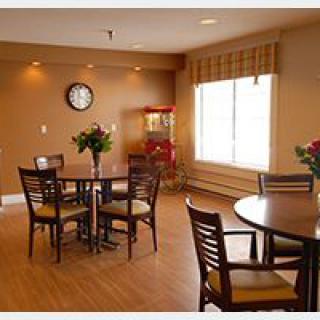
 Dining room
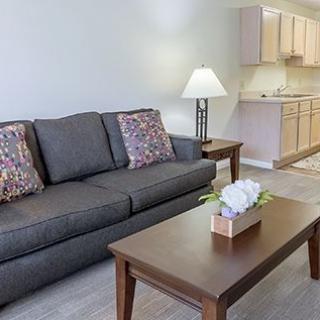
 Fully furnished
 Garden
 Housekeeping services
 Move-in coordination
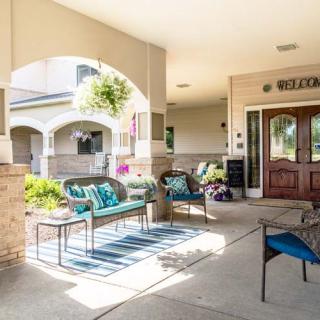
 Outdoor space
 Telephone
 Wi-Fi/high-speed internet available
 Capital City (8 miles away)
 24-hour supervision
 Activities of daily living assistance
 Assistance with bathing
 Assistance with dressing
 Assistance with transfers
 Diabetes diet
 Hospice waiver
 Meal preparation and service
 Medication management
 Mental wellness program
 Special dietary restrictions
 Transportation arrangement (medical)
 Transportation to doctors appointments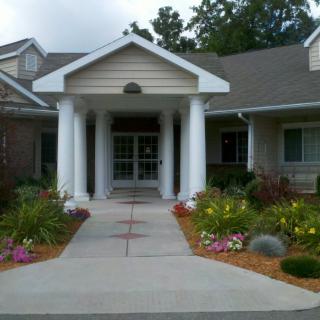


 Memory Care Pathways: A Holistic Guide to Dementia Support
 Comprehending Evening Confusion in Dementia: Causes, Manifestations, and Support
 Delirium and Dementia: Unraveling the Key Differences