
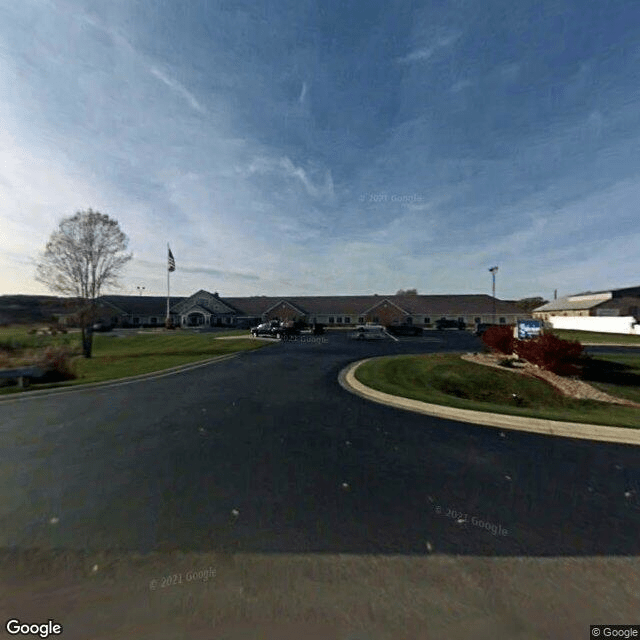
1100 North Lakeshore Drive, Gladstone, MI 49837
For more information about senior living options: (866) 208-4318
Lakeview Assisted Living Costs & Pricing
Lakeview Assisted Living offers a range of accommodation options that reflect the quality and care provided within their facility. For semi-private rooms, residents can expect to pay $4,318 per month, which is notably higher than the average costs in Delta County at $3,074 and in Michigan where the average is $3,191. Private rooms at Lakeview come with a monthly fee of $5,181, again eclipsing both county and state standards - Delta County averages $4,791 while the state average stands at $3,675. These figures highlight Lakeview's commitment to providing an exceptional living experience that may come at a premium compared to surrounding areas but reflects the enhanced services and care plans they offer their residents.
| Floor plans | Lakeview Assisted Living | Delta County | Michigan |
|---|---|---|---|
| Semi-Private | $4,318 | $3,074 | $3,189 |
| Private | $5,181 | $4,791 | $3,674 |
Overall Review of Lakeview Assisted Living
Pros
 The care and staff at Lakeview impress families and reassure them that their loved ones receive great care.
- The facility offers great staff, food, and care, with live entertainment and home-cooked meals, and the care is exceptional.
- The reviewer would highly recommend Lakeview Assisted Living.
- The family feels their mother receives the best of care at Lakeview Assisted Living and that they made the right decision.
- Meals are delicious and nutritious; the nursing staff is devoted to the residents, who are treated with respect and love.
- Residents enjoy occasional musical entertainment.
- Lakeview is beautifully appointed, with a lovely view of Lake Michigan.
Cons
 The mother has been neglected, with no one answering her call button.
- For two days there was no nurse on staff.
- She dislocated her hip.
Review
Lakeview Assisted Living in Gladstone, Michigan, is best suited for seniors who want hands-on support without sacrificing social connection or a sense of neighborhood. It fits families seeking a warm, home-like atmosphere where caregiving is visible, meals are cooked in-house, and daily life includes regular entertainment and a pleasant lake view. Residents who value approachable staff, respectful interactions, and a well-kept setting will find Lakeview a natural fit. The community supports a manageable size where neighbors know one another, yet still provides reliable assistance with activities of daily living, medication reminders, and transportation. In short, Lakeview prioritizes personalized attention and a humane, engaged living experience over clinical intensity, making it particularly appealing for those who want dignity, warmth, and daily camaraderie.
Those who may want to consider alternatives include seniors who require higher-acuity medical care or specialized memory programming. If 24/7 nursing coverage with guaranteed response times is non-negotiable, or if a memory-care wing is needed, it pays to compare options with deeper medical resources. Geographic convenience matters too; families should ensure regular visitability and accessibility. While Lakeview earns high marks for hospitality and daily life, a single report of staffing concerns suggests a closer look at shift coverage and escalation protocols. For residents with complex medical needs, frequent interventions, or high fall risk, exploring communities with robust on-site physicians or enhanced clinical support may be prudent.
On the upside, the core strengths center on care quality, staff warmth, and the living environment. Reviewers consistently praise attentive nursing staff and respectful, loving treatment of residents, which translates into calmer days and fewer friction points. The dining program stands out, home-style, nutritious meals that residents genuinely enjoy. Social life comes alive through occasional live entertainment and regular opportunities to connect with peers. The setting reinforces well-being too: Lakeview is beautifully appointed and offers a serene lake view that contributes to a sense of belonging. Taken together, these factors create a daily rhythm that many families find reassuring and sustainable over time.
Nevertheless, one review raises a meaningful caution about staffing gaps: a resident reportedly faced two days without a nurse on site and a delayed response to a call button. That account cannot be dismissed, even if it represents a minority datapoint. It highlights a potential vulnerability during shift changes or low-coverage periods. For families, this means asking hard questions about current staffing ratios, the exact nursing hours, call-button response targets, and the escalation process when staff are busy. Prospective residents should request recent staffing data, review the facility’s policy on after-hours coverage, and perhaps arrange a shadow tour to observe how staff respond in real time. Understanding these procedures will determine whether the positives can hold steady under pressure.
Even with that caveat, the overall impression remains favorable. The combination of compassionate care, appealing dining, and engaging activities typically outweighs the concerns for many residents and families. A warm, respectful atmosphere supports emotional well-being, which often reduces the need for higher medical intervention. If staffing reliability is verified and maintained, Lakeview’s strengths, meals, social programming, and a caring nursing presence, create a compelling value proposition for those seeking a comfortable, social, and dignified retirement. The question is whether the community’s staffing realities align with individual expectations; when they do, the positives substantially offset the occasional drawback.
Actionable next steps: schedule an on-site visit, observe caregiver-resident interactions, and ask to speak with a nurse or administrator about after-hours coverage and call-button protocols. Request a current activities calendar, sample menus, and a tour of the dining area during a peak time. Inquire about transportation options, fee structures, and how care plans are coordinated with outside providers. Talk with current residents or their families about consistency of staffing and responsiveness. For families prioritizing a warm, engaging, lake-adjacent setting with dependable daily care, Lakeview stands out as a strong contender. Those needing unwavering medical supervision or formal memory-care infrastructure may want to explore alternatives that guarantee those capabilities.
 20 resident community capacity
 Assisted Living
 Independent Living
 Memory Care
 Activities on-site
 Beauty salon
 Cable or satellite TV
 Devotional services off-site
 Dining room
 Fully furnished
 Garden
 Housekeeping services
 Indoor common areas
 Kitchenette
 Move-in coordination
 Outdoor space
 Telephone
 Wi-Fi/high-speed internet available
 Delta County (10 miles away)
 24-hour call system
 Ambulatory care
 Assistance with bathing
 Assistance with dressing
 Assistance with transfers
 Diabetes diet
 Diabetic care
 Meal preparation and service
 Medication management
 Mental wellness program
 Special dietary restrictions
 Transportation arrangement (medical)
 Transportation to doctors appointments


 When to Transition from Assisted Living to Memory Care: Key Indicators, Steps, and Finding the Right Community
 Understanding the Distinctions: Assisted Living and Memory Care Explained
 How to Communicate with a Loved One Living with Dementia: 10 Supportive Strategies