
2041 Freeland Rd, Freeland, MI 48623
To contact a resident: (989) 631-4406
For more information about senior living options: (866) 208-4318
Kindy Care Center Costs & Pricing
At Kindy Care Center, the monthly cost for a semi-private room is set at $2,800, which presents a significant value when compared to both Saginaw County and state averages. In Saginaw County, similar accommodations can cost around $4,132, while the average in Michigan overall sits at approximately $3,191. This competitive pricing not only reflects Kindy Care Center's commitment to affordability but also ensures that residents receive quality care without the financial strain typically associated with long-term accommodations. Overall, choosing Kindy Care Center allows families to secure essential services for their loved ones at a more accessible price point.
| Floor plans | Kindy Care Center | Saginaw County | Michigan |
|---|---|---|---|
| Semi-Private | $2,800 | $4,132 | $3,189 |
Senior living communities with a similar price nearby
-
About the same
Pine Haven LLC AFC
$2,800 / month7.9 miles away -
from +$400 / mo
Edgewood Assisted Living Center
$3,200 to $3,300 / month15.8 miles away -
from +$555 / mo
Prestige Centre
$3,355 to $4,331 / month22.9 miles away -
from -$100 / mo
Applewood Assisted Living
$2,700 / month16.6 miles away -
from -$451 / mo
Holiday Wescourt
$2,349 to $3,999 / month15.2 miles away
Overall Review of Kindy Care Center
Pros
 The staff are phenomenal, patient, caring, and attentive to residents' needs.
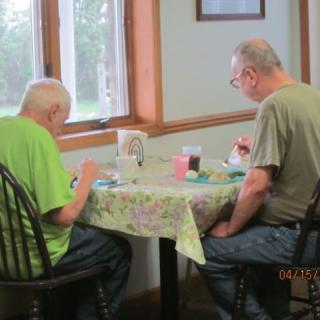
- It creates a family-like environment with home-cooked meals and activities to keep residents busy.
- It is a small, home-based setting where meals are cooked on site and caregivers are extremely friendly and not overworked.
- The community features excellent staff who provide great care, and the meals are very good.
- It is a lovely place with friendly personal care in a beautiful country setting.
- The staff show great compassion for each resident, and families are very grateful and highly recommend it.
Review
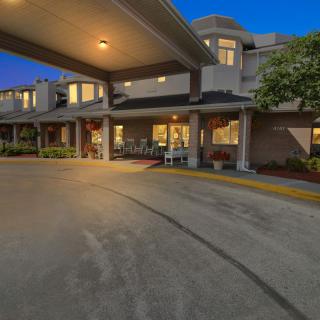
Kindy Care Center in Freeland is best suited for seniors who want a compact, family-like setting where staff truly knows residents, meals are cooked on site, and daily life feels intimate rather than institutional. This community excels for families seeking a calm, low-profile environment with direct access to caregivers, predictable routines, and a tone of genuine warmth. It works especially well for residents who do not require around-the-clock medical oversight but value highly personalized attention and the comfort of a small team that can adjust to evolving needs. Those who require extensive medical interventions, complex memory-care programming, or 24/7 on-site nursing should consider alternatives with broader clinical resources.
The strongest draws are the staff and the culture they create. Reviews repeatedly describe exceptionally patient, caring, and attentive caregivers who treat residents like family. The environment is clearly home-based, with cooks preparing meals in-house and daily activities designed to keep residents engaged. The manager earns particular emphasis for experience and knowledge in aging and the dying process, which translates into a sense of steadiness and competence that families often prize when navigating difficult decisions. This combination, deep staff investment, a family atmosphere, and hands-on culinary and social routines, helps residents thrive emotionally and socially.
The setting itself reinforces the positive impact of the staff. A country-like, tranquil ambiance, coupled with a clean, accessible location, fosters comfort and continuity in daily life. Families note that the atmosphere feels welcoming and serene, contributing to a sense of belonging that can be just as important as medical care. The emphasis on homey meals and routine activities supports a quality of life that many aging individuals and their families prioritize over the more impersonal feel of larger facilities. For loved ones who value consistency and warmth, these elements can offset the absence of a large-scale program.
Yet the small, intimate model does carry trade-offs. While caregivers are not overworked and residents often receive highly attentive service, the range of on-site medical resources and specialized programming will naturally be more limited than at larger communities. For families evaluating future needs such as skilled nursing, physical therapy, or dementia-specific care, this is a critical consideration. The offset comes from the highly personal approach, staff that knows each resident’s routines, preferences, and evolving comfort levels, and from the manager’s depth of knowledge, which can help plan transitions smoothly should a higher level of care become necessary.
For families in the decision phase, several practical steps anchor the assessment. Observe how staff interact with residents in everyday moments, mealtime, activity periods, and quiet, solitary moments, to gauge whether the warmth and attentiveness described in reviews translate into real-world trust. Inquire about the scope of care available on-site, especially around medication management, nursing support, and any memory-care offerings, and ask how transitions are handled if care needs intensify. Taste-test a few meals and walk through the building to confirm accessibility, safety, and cleanliness. Finally, request a clear picture of staffing patterns, hours, and how the team coordinates with families for updates and care planning.
In sum, Kindy Care Center stands out for families seeking a genuine, home-like alternative to large, impersonal facilities. It delivers meaningful daily life through caring staff, home-cooked meals, and a manager with seasoned insight into aging. This community is a compelling choice for seniors who prize intimacy, continuity, and personal connection over breadth of services. Those who prioritize robust medical resources, specialized memory care, or extensive rehabilitation programs should actively compare with larger centers. For the right fit, a visit will reveal the reassuring reality: a small but mighty home away from home where residents are treated with consistent kindness and respect.
 Board and Care Home
 Private bathrooms
 Respite or short term stays offered
 Wheelchair accessible showers
 Mbs International (10 miles away)
 Ambulatory care
 Diabetic care
 High acuity care
 Incontinence care
 Medication management
 Comprehensive Guide to Qualifying for Home Health Care Services
 Powerful Realities of Elder Abuse and the Most Effective Ways to Report It
 Ten Vital Duties of a Senior Caregiver: A Comprehensive Guide