
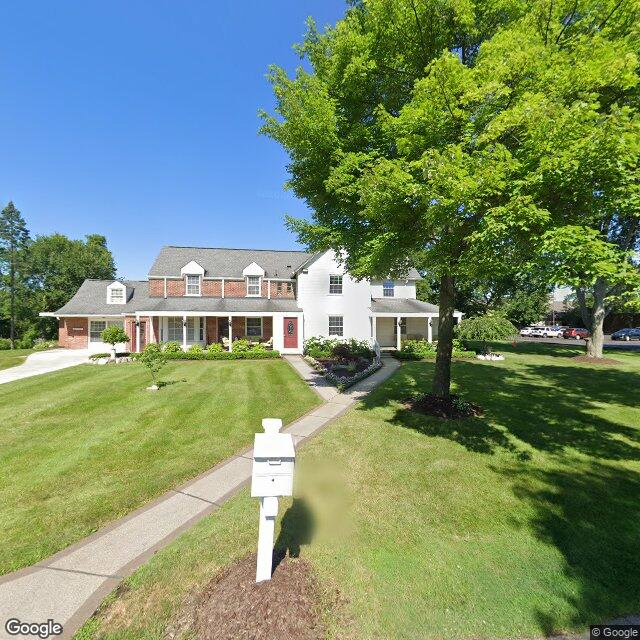
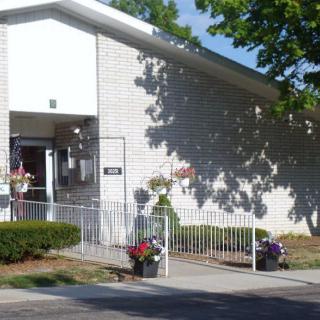
30301 W 13 Mile Rd, Farmington Hills, MI 48334
To contact a resident: (248) 626-6100
For more information about senior living options: (866) 208-4318
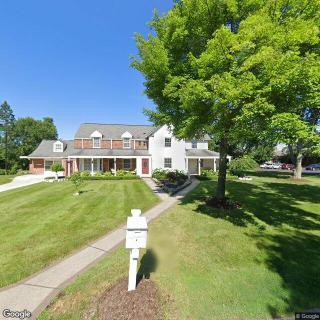
The Baptist Manor - Gamma Building Costs & Pricing
The Baptist Manor - Gamma Building offers competitive pricing for its one-bedroom accommodations, with a monthly rate of $2,500. This cost is significantly lower than the average rates in Oakland County, which stand at approximately $3,507, and the broader state average of around $3,384. Such pricing not only highlights the value provided at The Baptist Manor but also positions it as an attractive option for those seeking quality care in a supportive environment without the financial burden typically associated with similar facilities in the region.
| Floor plans | The Baptist Manor - Gamma Building | Oakland County | Michigan |
|---|---|---|---|
| 1 Bedroom | $2,500 | $3,507 | $3,384 |
Senior living communities with a similar price nearby
-
from -$305 / mo

Simply Beautiful Adult Foster Care Homes
$2,195 to $4,100 / month9.6 miles away -
from +$100 / mo
Angelic Foster Care
$2,600 to $3,380 / month17.9 miles away -
About the same

Oakmont Manor
$2,455 to $2,780 / month14.8 miles away -
from -$225 / mo
Pleasant Valley Family Care
$2,275 to $7,000 / month1.6 miles away -
from +$400 / mo

St. Joseph's Village 1
$2,900 / month22.6 miles away
Overall Review of The Baptist Manor - Gamma Building
Pros
 None found.
Cons
 They’re all sweet and pretend to care to lure you in, but their true colors show later.
- They seem to think allergies to manufactured scents aren’t serious and treat the concerns as a joke.
- They keep putting manufactured scents in the air even after complaints, making people ill.
- They’ve been there a year and won’t be there for another.
Review
This community is best suited for seniors who do not require meticulous attention to fragrance or scent-related issues and who can tolerate a front-loaded, welcoming onboarding without expecting sustained responsiveness to concerns. When care decisions hinge on real-time responsiveness and strict accommodation of sensitivities, The Baptist Manor – Gamma Building falls short. The ideal candidate would prioritize social environment and convenience over sustained, resident-centered problem-solving and transparent communication.
Those who should aggressively consider alternatives include anyone with allergies to manufactured scents or chemical fragrances, as well as families that demand consistent accountability from staff and management. The experience described suggests a pattern where initial warmth gives way to disinterest in resident concerns, particularly around health-related sensitivities. Prospective residents who seek a facility with proven, protective policies and a culture of listening will likely be disappointed, and should widen their search to communities with demonstrably responsive complaint resolution and fragrance-free environments.
The principal drawback centers on trust and safety around scent exposure. The only clearly identifiable strength, an apparently cordial first impression, does not sustain itself when residents raise legitimate alarms about fragrance in common air. Complaints regarding manufactured scents being present despite repeated reporting point to a disconnect between resident needs and staff actions. The failure to address ongoing discomfort translates into tangible health risks and a deteriorating sense of security, undermining any initial belief in the community’s care ethic.
Kort, the apparent positives do little to balance the major negatives. A friendly welcome cannot compensate for persistent odor exposure and a disregard for resident-reported reactions. When the core promise of a safe, comfortable living environment is compromised by ongoing scented air and perceived indifference, the overall value proposition collapses. The longer such patterns persist, the more likely families are to question the integrity of the entire operation, rather than simply chalking it up to a rough patch.
For families weighing options, several practical steps are essential. Inquire about an explicit scent-management policy and whether fragrance-free zones exist; request documentation of how resident complaints are tracked and resolved, including response timelines. Speak with current residents or family members about how concerns are handled in real time. Assess staffing levels and the availability of on-site support during evenings and weekends. If possible, arrange a trial period or shadow a resident to observe daily interactions firsthand. Compare facilities not only on amenities but on demonstrable, repeatable responsiveness to resident health and comfort.
In the end, The Baptist Manor – Gamma Building presents a high risk for anyone with fragrance sensitivities or a strong expectation of accountable, resident-centered care. The most decisive recommendation is to pursue other Farmington Hills assisted-living options that can credibly guarantee a scent-free environment and a culture of listening. For seniors without these specific sensitivities, the decision hinges on the importance placed on initial warmth versus sustained assurance of well-being. In any case, stronger proof of consistent, respectful engagement with resident concerns is non-negotiable before enrollment.
 Active Adult Communities (55+)
 Detroit Metropolitan-Wayne County (21 miles away)
 In-Depth Look at the VA Aid and Attendance Program
 Nurturing Our Loved Ones: A Daughter's Journey in Caring for Her Mother
 Nurturing Our Elders: Linda's Journey of Supporting Her Mother