

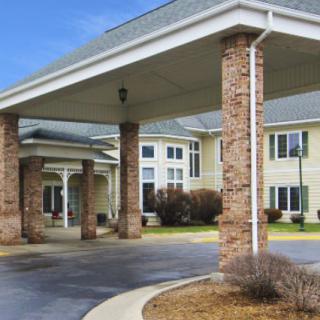
2900 3rd Ave S, Escanaba, MI 49829
To contact a resident: (906) 786-5810
For more information about senior living options: (866) 208-4318
Overall Review of Bishop Noa Senior Citizens
Pros
 Most staff are very polite and friendly to residents as well as family.
- They always encourage, include, and welcome family members to join in resident activities.
- They have a lot of activities and supportive staff.
- The facility is among the best the reviewer has seen for a nursing home.
- The grandmother loves living in the assisted living apartments.
- The mother receives wonderful care.
- The nurses are great.
- The Bishop Noa Home is a peaceful and loving place for an aunt.
- Everyone is kind and helpful, going above and beyond to make her comfortable and aid her strength.
Cons
 Some things about the nursing home were questionable.
- The admissions team failed to communicate back to the patient advocate.
- The admissions lady is rude and abrasive.
- The administrator is very unprofessional and treated residents poorly.
- The administrator does not seem to care about residents.
- The administrator prioritized someone who had lost all her clients because she wouldn’t bother to show up.
- Residents were upset, with complaints and a petition reaching the board.
Review
Bishop Noa Senior Citizens in Escanaba, MI is best suited for seniors who want a warm, family-oriented environment where caring staff are readily available, daily life includes a robust menu of activities, and there is meaningful involvement from residents’ families. The community clearly serves both skilled nursing needs and assisted-living aspirations, with many residents in the assisted-living apartments expressing strong affinity for the space and atmosphere. It is especially well-matched for those who prize genuine, hands-on care from nurses and aides, a peaceful setting, and staff that go out of their way to welcome and include visitors in the resident experience.
Those who should consider alternatives include families who demand near-perfect administrative consistency and rapid, polished handling of concerns. Several reviews flag issues with admissions staff and, more pointedly, with leadership interpretation and responsiveness. If a resident’s family requires impeccably professional, conflict-free communication from administration, or if there is a preference for a facility where governance and policy enforcement are visibly tight and transparent, shopping other options may be prudent. The footprint of dissatisfaction in a few reviews suggests that leadership style can color the overall experience, and that risk should be weighed in decision-making.
The strongest positives, polite, friendly care teams; dedicated RNs and LPNs; a clean, welcoming environment; and an abundance of activities, tend to offset the downsides when the focus is on daily quality of life and therapeutic progress. Families repeatedly highlight staff who go beyond basic duties to support residents and families, and residents themselves show enthusiasm for rehab progress and for caregivers who treat them with respect and warmth. In assisted living, where independence is valued, the ability to participate in activities and to feel known by staff matters a great deal, and Bishop Noa delivers on that front. The result is a living experience that feels personal, not impersonal, which substantially mitigates concerns about administrative friction.
Yet the cons have real weight, especially for families seeking a seamless, issue-free care journey. Reports of rude admissions staff and accusations of unprofessional behavior by an administrator undermine confidence in the facility’s leadership. When a hospital-to-therapy transition stalls or key advocates don’t receive timely follow-up, the friction can ripple into the resident’s sense of security and progress. Those worries are not universal, but they are persistent enough to push decision-makers to ask hard questions during tours: who will own and track these processes, and how will concerns be escalated and resolved if they arise?
In practical terms, the decision hinges on a balancing act between heart and control. The human side is strong here: staff members who listen, residents who feel cared for, and families who are invited into the rhythm of daily life. The structural caveat is governance, whether administrative leadership can reliably translate care quality into consistent experiences across days, shifts, and departments. For families focused on meaningful social engagement, peaceful surroundings, and steady nursing attention, Bishop Noa often checks the boxes. For those who prioritize flawless administrative credibility and unvarnished responsiveness, it is wise to compare with facilities that emphasize branding around governance and resident advocacy.
The bottom line is clear. Bishop Noa Senior Citizens offers a compelling blend of warmth, skilled care, and an active, home-like environment that makes it an excellent match for seniors who value relationship-driven care and an active community life. It may not be the best fit for families who cannot tolerate uneven administrative experiences or who require flawless, always-on leadership oversight. Pros offset cons most meaningfully when care quality and resident happiness are the primary decision criteria; if administrative friction becomes a non-negotiable, seek alternatives. Prospective families should insist on meeting the admissions team, request a direct line to a patient advocate, and ask for concrete timelines on referrals and follow-up to ensure the balance remains favorable as needs evolve.
 Board and Care Home
 Delta County (1 miles away)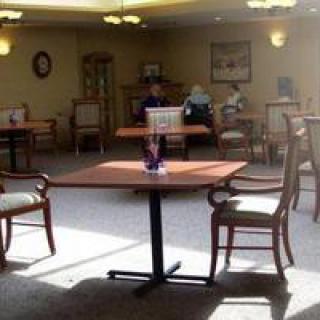



 Understanding the Full Cost of 24/7 In-Home Care: A Detailed Overview
 Exploring the World of Home Health Nurses: Qualifications, Roles, and Hiring Tips
 Navigating Medicare Coverage for In-Home Care Services