Chosen Vision Dewitt

1107 Turner, Lansing, MI 48820

For more information about senior living options: (844) 490-3973

2.3 from 3 reviews
5 stars
1
4 stars
0
3 stars
0
2 stars
0
1 stars
2

Assisted Living

What level of care are you interested in?

Assisted Living

Memory Care

Independent Living

Skilled Nursing Facility

Continuing Care Retirement Community (CCRC)CCRC

Other


Request a tour at Chosen Vision Dewitt

    Overall Review of Chosen Vision Dewitt

    Pros

    • pro The reviewer is happy with the organization and believes it truly cares for the individuals it serves.
    • pro They looked for a long time for an organization that shared their values, and this was the perfect fit.
    • pro They were very impressed with the staff and the home itself.
    • pro The organization is described as one that truly cares for the individuals they serve.

    Cons

    • pro The reviewer describes mistreatment by workers during a time of grief, noting she was forced to work over 16 hours because the manager wouldn't come.
    • pro The reviewer claims the employer lowered her hours for disagreeing with her work ethic, calling the action immoral.
    • pro The reviewer alleges Chosen Vision failed Courtney and sided against her father in guardianship, resulting in Courtney's discharge from care.
    • pro The reviewer questions whether SSI-based rent is mishandled and calls for a full investigation into CEICMH and the organization's "Christian Values" business.
    • pro The reviewer states staffing at Chosen Vision's DeWitt location deteriorated, with inadequate supervision and limited growth opportunities, and that residents are not taught essential life skills.
    • pro The reviewer contends CEICMH/APS fail to protect disabled adults and that the system limits residents' growth.

    Review

    Across a span of years and personal circumstances, a set of starkly different experiences with a Michigan care organization - identified here as Chosen Vision and the related oversight bodies - emerge in these accounts. Taken together, they reveal a landscape where hopes for strong, compassionate guardianship and stable, growth-oriented support clash with perceived mismanagement, insufficient oversight, and deeply felt grief and strain. The narratives touch on serious issues: the emotional toll of losing a loved one, the pressure of overwork in caregiving roles, questions about how funds are used, disputes over guardianship, and the challenge of helping a family member move toward greater independence. At the same time, there is at least one voice praising the organization's care, underscoring the difficulty of painting a single, monolithic picture in the world of adult services.

    One of the most personal and painful strands concerns the treatment of grief and the demands placed on a caregiver during a family tragedy. A caregiver describes an intensely difficult period after the death of her son's father, finding herself suddenly bearing the weight of parenting alone. She recalls being forced to work more than 16 hours because a manager did not show up, calling the experience hard and unfair in the wake of personal loss. The juxtaposition of grief with the pressures of a work environment in which responsibility is shifted onto someone already grappling with profound sorrow paints a troubling portrait of the conditions some workers faced. The reviewer's closing sentiment - "Immoral sounds about right" - reads as a pointed indictment of the organizational culture or practices that permitted such an ordeal to occur during a time of immense vulnerability.

    Another thread centers on guardianship and the fate of a young adult named Courtney. The reviewer dated 2/24/2021 notes that, despite assurances from Chosen Vision staff that they would assist Courtney, the organization ultimately did not help her. The account asserts that the staff sided with Courtney's father in August 2020 when guardianship petitions were filed, yet within six months Courtney was being discharged from Chosen Vision's care. The reviewer asks a pointed question about the future for others' loved ones and labels the combined actions of Chosen Vision and the Clinton County Court System as having "FAILED a vulnerable Adult." The conclusion carries a sense of betrayal and fear: if this is the model for guardianship and ongoing support, what does it mean for others who rely on the system for protection and advocacy?

    Financial accountability also becomes a flashpoint, with a dated inquiry that raises serious concerns about how funds are managed within the organization and related facilities. The reviewer directs their critique to Jim Russell, the CEO, asking whether rent paid by SSI is truly a variable, floating expense or if funds are being mishandled. The post questions whether a full investigation by CEICMH (the mental health authority in the area) or Adult Protective Services (APS) has ever occurred, framing the matter as a moral and operational imperative. The language signals deep suspicion about transparency and the stewardship of resources that support vulnerable residents, and it invites a broader discussion about how such organizations monitor and report financial practices.

    The collection also includes a lengthy, more granular critique of a family's attempt to place a loved one in a home that would provide appropriate supervision while still promoting growth. The narrative begins in late 2017, tracing the journey from a less suitable prior placement to a home in DeWitt that the family initially found promising. A house manager in DeWitt asserts that most residents require extensive supervision and structure, while the reviewer's stepdaughter, by contrast, functions at a higher cognitive level than the typical resident. Over the ensuing years, the family observes a troubling deterioration in staffing and a perceived stagnation in the care plan. They argue that the care team is not consistently guiding the stepdaughter toward essential life skills - budgeting, grocery planning, health maintenance, and independent living - despite annual goals that seem to remain fixed rather than progressing. The reviewer blames a combination of limited care mandated by CEICMH and staff disengagement for slowing growth, and they express alarm at a loss of personal and financial autonomy during the Covid era, citing a stimulus-related spending spree as evidence of insufficient oversight. The core complaint is that Chosen Vision appears to treat the stepdaughter as primarily a source of SSI-derived revenue rather than as a person with the potential for meaningful advancement and independence. The family's conclusion is stark: if this is what one wants for a loved one, then pursuing Chosen Vision may be appropriate; if not, they urge others to file complaints with CEICMH to demand stronger protections and more proactive advocacy. The tone is anguished and admonitory, reflecting a sense that the system is ill-suited to nurture genuine growth in this context.

    Amid these criticisms, there is a contrasting voice that offers praise. In a closing statement from the same set of reviews, one commentator expresses unequivocal satisfaction: "I am so happy with this organization. They truly care for the individuals they serve." This positive perspective acknowledges the possibility of success stories and affirmations of compassionate care within the same ecosystem that others describe as negligent or under-resourced. The juxtaposition of praise with sharp critique underscores the variability of experiences and the difficulty of drawing broad conclusions about an organization based on disparate individual accounts. It also highlights the diverse needs and expectations of residents and families, and the way those needs interact with staff competence, oversight mechanisms, and the availability of supports.

    Taken together, these accounts illuminate a care environment where personal loss, caregiver strain, and questions of accountability intersect with guardianship processes and the quality of ongoing support for adults with complex needs. They suggest that when oversight structures are perceived as fragmented or inconsistent, families may experience both frustration and fear: fear of being overlooked in critical decisions about a loved one's future, fear of financial mismanagement affecting essential services, and fear that the emotional costs of grief and daily caregiving will be borne by those least able to bear them. Conversely, the single positive appraisal reveals that, for some, the organization fulfills its mission with compassion, stability, and attentiveness to individual needs.

    In moving forward, these voices point to a few clear themes that merit attention from families, policymakers, and providers alike. First, there is a call for stronger, more transparent guardianship processes that center the person's best interests and provide clear, timely feedback to families during critical decisions. Second, financial accountability and independent oversight appear essential to ensure that funds entrusted to care facilities are used to enhance, not diminish, residents' quality of life. Third, staffing and continuity of care remain central to progress toward independence for residents who have the capacity to grow; this includes explicit, measurable goals and families' active participation in designing and reviewing care plans. Finally, the spectrum of experiences - from deep grievance to heartfelt praise - reminds us that care is not a one-size-fits-all endeavor, and successful outcomes demand individualized attention, trustworthy communication, and robust supports that adapt to changing needs and circumstances.

    Features

    Housing

    • 6 resident community capacity 6 resident community capacity

    Types of Care

    • Assisted Living Assisted LivingAssisted living facilities provide crucial support and care for seniors who may need help with daily tasks such as medication management, bathing, and meal preparation. These communities offer a safe and comfortable environment where seniors can maintain their independence while receiving the assistance they need to thrive in their golden years.

    Amenities

    • Cable or satellite TV Cable or satellite TVCable or satellite TV is important for seniors because it provides entertainment, news, and companionship, helping to combat loneliness and boredom. It also offers a wide range of programming options tailored to different interests and preferences.
    • Dining room Dining roomDining rooms are important for seniors as they provide a space for socialization, connection, and nutritious meals. They offer opportunities for residents to bond over shared meals, foster a sense of community, and promote healthy eating habits. Dining rooms also ensure that seniors have access to well-balanced meals tailored to their dietary needs and preferences.
    • Fully furnished Fully furnishedFully furnished senior living communities are important for seniors because they provide convenience, comfort, and a hassle-free moving experience. Seniors can easily settle into their new living space without the stress of having to buy and move furniture. This allows them to focus on enjoying their new home and community.
    • Garden GardenGardens are important for seniors as they provide a peaceful and therapeutic environment for relaxation, physical activity, and socialization. Being in nature has been shown to reduce stress, improve mood, and promote overall well-being. Gardens also offer opportunities for seniors to engage in gardening activities, which can improve mobility, flexibility, and cognitive function. Additionally, gardens create a sense of community and connection with others who share a passion for plants and outdoor spaces.
    • Housekeeping services Housekeeping servicesHousekeeping services are important for seniors because they help maintain a clean and safe living environment, promote independence, and reduce the risk of accidents or illnesses. Additionally, having assistance with household chores can alleviate physical strain and allow seniors to focus on other aspects of their well-being.
    • Move-in coordination Move-in coordinationMove-in coordination is important for seniors because it helps ease the transition into their new living environment. It ensures that all logistics, such as packing, organizing movers, and setting up utilities are taken care of, allowing seniors to focus on settling in and adjusting to their new home. Having a smooth move-in process can alleviate stress and anxiety, making the transition smoother and more enjoyable for seniors.
    • Outdoor space Outdoor spaceOutdoor spaces are important for seniors as they provide opportunities for physical activity, social interaction, exposure to natural light and fresh air, and a sense of connection to nature. Having access to outdoor spaces can improve overall well-being and quality of life for older adults living in senior communities.
    • Telephone TelephoneTelephones are important for seniors as they provide a lifeline for communication with loved ones, emergency services, and healthcare providers. They offer a sense of security and independence, enabling seniors to stay connected and access assistance when needed.
    • Wi-Fi/high-speed internet available Wi-Fi/high-speed internet availableWi-Fi/high-speed internet is important for seniors to stay connected with loved ones, access online resources, and participate in virtual activities to combat feelings of loneliness and isolation. It also allows them to easily manage healthcare needs, access entertainment, and engage in lifelong learning opportunities.

    Transportation

    • Capital City (4 miles away) Capital City (4 miles away)

    Care Services

    • 24-hour supervision 24-hour supervision24-hour supervision is important for seniors to ensure their safety, well-being, and access to immediate assistance in case of emergencies or health issues. This constant support provides peace of mind for both seniors and their loved ones, allowing them to age in place with dignity and security.
    • Activities of daily living assistance Activities of daily living assistanceActivities of daily living assistance are important for seniors because they provide essential support with tasks such as eating, bathing, dressing, and mobility. This assistance helps seniors maintain their independence, dignity, and overall quality of life as they age.
    • Assistance with bathing Assistance with bathingAssistance with bathing is crucial for seniors as it helps maintain personal hygiene, prevents infections, and ensures their overall well-being and comfort. It also provides a sense of dignity and independence for seniors who may struggle with this task on their own.
    • Assistance with dressing Assistance with dressingAssistance with dressing is important for seniors because it helps maintain their independence, promotes personal hygiene, prevents accidents and injuries, and improves overall quality of life. This service ensures that seniors can continue to dress comfortably and confidently, despite any physical limitations they may have.
    • Assistance with transfers Assistance with transfersAssistance with transfers is crucial for seniors as it helps prevent falls and injuries, maintains their independence, and ensures they can safely navigate their living environment. It also provides peace of mind for both seniors and their loved ones.
    • Coordination with health care providers Coordination with health care providersCoordination with health care providers is crucial for seniors to ensure proper medical care, medication management, and overall well-being. This collaboration helps prevent overlapping treatments, track progress more effectively, and provide comprehensive support tailored to individual needs.
    • Diabetes diet Diabetes dietA diabetes diet is crucial for seniors as it helps manage blood sugar levels, reduce risks of complications, and improve overall health and well-being. By following a balanced and nutritious diet tailored to their specific needs, seniors can better control their diabetes and enhance their quality of life.
    • Meal preparation and service Meal preparation and serviceMeal preparation and service are crucial for seniors as they may have limited mobility or energy to cook nutritious meals. Having access to healthy and convenient food options can ensure they are getting the proper nutrition needed to maintain their overall health and well-being.
    • Medication management Medication managementMedication management is crucial for seniors to ensure they are taking the right medications at the correct dosages and times. This helps prevent adverse drug interactions, reduces the risk of medication errors, and promotes overall health and well-being. Proactive management also allows for adjustments as needed based on changing health conditions or new prescriptions.
    • Special dietary restrictions Special dietary restrictionsSpecial dietary restrictions are important for seniors because age-related changes in metabolism and health conditions can make it difficult for their bodies to process certain foods. By following a diet tailored to their specific needs, seniors can maintain their overall health and well-being, manage chronic conditions, and reduce the risk of complications such as malnutrition or food interactions with medications.
    • Transportation arrangement (medical) Transportation arrangement (medical)Transportation arrangements for medical purposes are essential for seniors as they may have difficulty driving themselves to appointments or accessing public transportation. Having reliable and safe transportation options ensures that seniors can receive timely medical care and maintain their health and well-being.
    • Transportation to doctors appointments Transportation to doctors appointmentsTransportation to doctors' appointments is crucial for seniors as it ensures they have access to necessary medical care and support for their health needs. Without reliable transportation, seniors may struggle to attend important appointments, leading to potential delays in treatment and health complications. Providing transportation services helps seniors maintain their overall well-being and quality of life.

    Dining

    • Diabetes diet Diabetes dietA diabetes diet is crucial for seniors as it helps manage blood sugar levels, reduce risks of complications, and improve overall health and well-being. By following a balanced and nutritious diet tailored to their specific needs, seniors can better control their diabetes and enhance their quality of life.
    • Special dietary restrictions Special dietary restrictionsSpecial dietary restrictions are important for seniors because age-related changes in metabolism and health conditions can make it difficult for their bodies to process certain foods. By following a diet tailored to their specific needs, seniors can maintain their overall health and well-being, manage chronic conditions, and reduce the risk of complications such as malnutrition or food interactions with medications.

    Activities

    • Community-sponsored activities Community-sponsored activitiesCommunity-sponsored activities are important for seniors as they provide opportunities for social interaction, mental stimulation, and physical activity. These activities can help improve overall well-being, combat loneliness and isolation, and promote a sense of belonging and purpose among older adults.
    • Scheduled daily activities Scheduled daily activitiesScheduled daily activities are important for seniors because they provide structure, socialization, mental stimulation, and physical activity. Engaging in regular activities can improve overall well-being and quality of life for seniors living in a community setting.

    Description

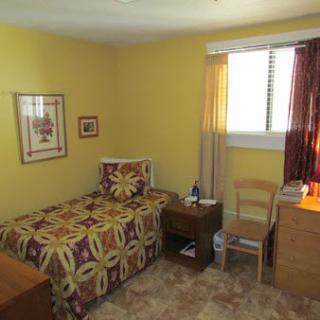
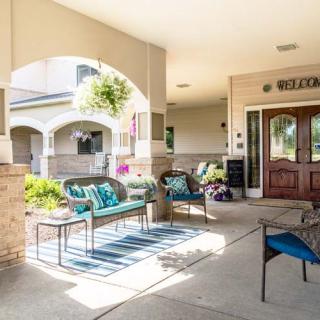
    Chosen Vision Dewitt in Lansing, MI is an assisted living community that offers a range of amenities and care services to ensure the comfort and well-being of its residents. The community provides a dining room where residents can enjoy delicious meals prepared by the staff. Each apartment is fully furnished, allowing residents to feel at home from the moment they move in. Chosen Vision Dewitt also includes a beautiful garden and outdoor space where residents can relax and enjoy nature.

    Housekeeping services are provided to help maintain a clean and tidy living environment. Move-in coordination is available to assist new residents with the transition into their new home. Telephone and Wi-Fi/high-speed internet access are provided for convenience and connectivity.

    In terms of care services, Chosen Vision Dewitt offers assistance with activities of daily living such as bathing, dressing, transfers, and medication management. The staff also coordinates with healthcare providers to ensure that residents receive the necessary medical care. Special dietary restrictions are accommodated, including diabetes diets. Meal preparation and service are provided to ensure that residents have nutritious meals throughout the day.

    Transportation arrangement for medical purposes is available, ensuring that residents can easily get to their appointments. Scheduled daily activities keep residents engaged and entertained within the community.

    Chosen Vision Dewitt is conveniently located near various amenities in the surrounding area. There are cafes, parks, pharmacies, restaurants, transportation options, and places of worship all nearby for easy access and convenience. Overall, Chosen Vision Dewitt provides a welcoming environment with comprehensive care services to support the needs of its residents in Lansing, MI.

    Nearby Places of Interest

    This area of Lansing, Michigan offers a variety of amenities and services that would be beneficial for senior living. There are multiple places of worship nearby, including Northpointe Community Church and St Jude Catholic Church. In terms of healthcare, there are several pharmacies such as Dewitt Pharmacy and Rite Aid within close proximity, as well as various physician offices like DeWitt Women’s Health and McLaren Greater Lansing-DeWitt Family Medicine. Additionally, there are plenty of dining options ranging from fast food chains like McDonald's to sit-down restaurants like Gregory's. For relaxation and outdoor activities, parks such as Granger Meadows Park and Delta Mills Park are just a short drive away. Transportation is also convenient with Capital Region International Airport located nearby for any travel needs. Overall, this area provides a comfortable and convenient environment for seniors looking for a place to call home in Lansing.

    Places of Worship

    • Northpointe Community Church (0.3 miles)
    • St Jude Catholic Church (1.1 miles)

    Pharmacies

    • Dewitt Pharmacy (0.6 miles)
    • Rite Aid (1.1 miles)
    • Meijer Pharmacy (1.5 miles)
    • 420 Dank (4.7 miles)
    • Meijer Pharmacy (5.9 miles)
    • Sparrow Pharmacy Plus #1 (6.3 miles)
    • Rite Aid (6.3 miles)

    Physicians

    • Dewitt Optometry (1.1 miles)
    • DeWitt Women’s Health (1.1 miles)
    • McLaren Greater Lansing-DeWitt Family Medicine (1.1 miles)
    • MRMC Dewitt Family Practice (1.1 miles)
    • Advanced Audiology (1.2 miles)
    • Sparrow Medical Group DeWitt (1.2 miles)
    • Primary Care Partners (5.3 miles)

    Restaurants

    • Subway (1.3 miles)
    • McDonald's (1.3 miles)
    • Burger King (1.4 miles)
    • Gregory's (5.1 miles)
    • South Riley's Tavern (5.1 miles)
    • Boston's Restaurant & Sports Bar (5.2 miles)
    • Culver's (5.3 miles)

    Cafes

    • Biggby Coffee (1.5 miles)
    • Starbucks (5.7 miles)
    • Starbucks (5.9 miles)
    • Biggby Coffee (6.3 miles)
    • Panera Bread (6.9 miles)

    Parks

    • Granger Meadows Park (4 miles)
    • Delta Mills Park (6.6 miles)
    • Rotary Park (6.7 miles)

    Transportation

    • Capital Region International Airport (LAN) (4.1 miles)
    • U-Haul Moving & Storage (4.6 miles)

    Theaters

    • NCG Eastwood Cinemas (5.4 miles)

    Hospitals

    • Work Health (6.5 miles)
    • Sparrow Hospital Cafeteria (7 miles)
    • Sparrow Pharmacy Main Campus (7 miles)
    • Sparrow Health System (7 miles)
    • Halliday Renee Pa Sparrow Hospital Lansing (7 miles)
    • Sparrow Cath Lab (7 miles)
    • Sparrow Regional Neonatal Icu (7 miles)

    Frequently Asked Questions

    Where is Chosen Vision Dewitt?

    Nearby Communities

    • The Chosen Vision

      The Chosen Vision

      Dewitt, MI

      2.3 from 3 reviews
       

      pro Intimate 6-resident setting with comprehensive care and move-in coordination.

    • Chosen Vision

      Chosen Vision

      Dewitt, MI

      2.3 from 3 reviews
       

      pro Intimate 6-unit community with comprehensive services and furnished apartments.

    • The Woodlands of DeWitt

      The Woodlands of DeWitt

      DeWitt, MI

      5 from 31 reviews
       

      pro Specialized memory care with diabetes management and engaging activities.

    • New Life Assisted Living Center

      New Life Assisted Living Center

      Dewitt, MI

      3 from 2 reviews
       

      pro Comprehensive memory care with 24/7 supervision and dementia programming.

    • Divine Life Assisted Living Center #1

      Divine Life Assisted Living Center #1

      Dewitt, MI

      3.9 from 10 reviews
      $3,000 to $3,500 / month

      pro Caring, professional staff and welcoming community.

    • Mcbride Schavey Adult Foster Care

      Mcbride Schavey Adult Foster Care

      Dewitt, MI

      2 from 1 review
       

      pro Intimate 6-bed setting with comprehensive care, meals, housekeeping, and transportation.

    • Independence Village Of East Lansing

      Independence Village Of East Lansing

      East Lansing, MI

      4.6 from 161 reviews
      $2,640 to $4,200 / month

      pro Friendly staff, welcoming community, and engaging activities.

    • Ivan Woods Senior Apartments

      Ivan Woods Senior Apartments

      Lansing, MI

      4.2 from 32 reviews
      $665 to $5,000 / month

      pro Friendly staff and an active, social community with on-site activities.

    • Bickford of West Lansing

      Bickford of West Lansing

      Lansing, MI

      4.3 from 80 reviews
      $3,042 to $4,715 / month

      pro Friendly, caring staff in a clean, well-equipped community with ample activities and on-site amenities.

    Related Resources

    • does medicare pay for assisted livingMedicare Coverage for Assisted Living: An In-Depth Exploration

      Medicare does not cover assisted living costs, as it focuses on acute medical needs and short-term care, with exceptions for certain medically necessary services like physical therapy. Individuals must explore other options such as Medicaid, veterans' benefits, or long-term care insurance to manage these expenses effectively.

    • assisted living vs nursing homeChoosing the Right Senior Care: A Detailed Exploration of Assisted Living and Nursing Homes

      Choosing between assisted living and nursing homes involves evaluating emotional and financial factors, with assisted living offering independence and support for daily activities at a lower cost, while nursing homes provide intensive medical care for individuals with significant health needs. The decision is influenced by personal preferences, health status, cognitive function, and varying Medicaid coverage across states.

    • assisted living costUnderstanding the True Cost of Assisted Living in 2025: A Comprehensive Guide

      Assisted living in 2025 offers a crucial balance of independence and support for seniors, with costs varying from $2,500 to over $7,000 per month based on factors such as location and care level. Understanding pricing complexities, including regional differences and potential hidden fees, is essential for families to plan financially while ensuring quality care for their loved ones.


    Get Pricing Ask A Question Schedule A Tour Contact Senior Advisor