
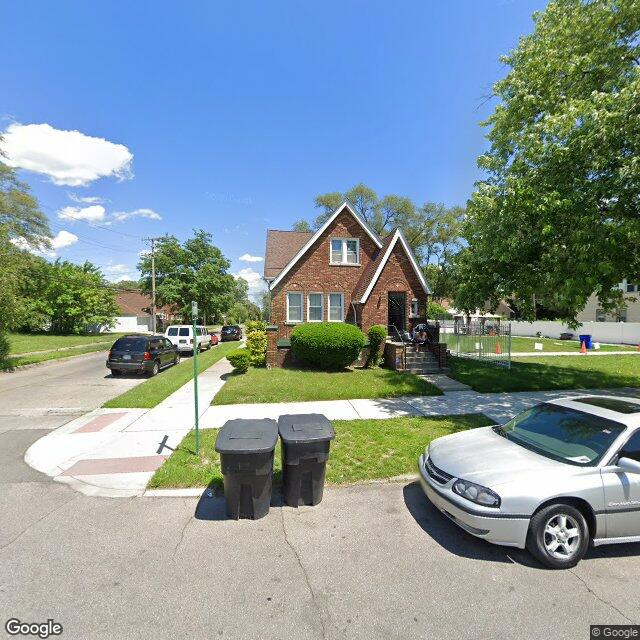
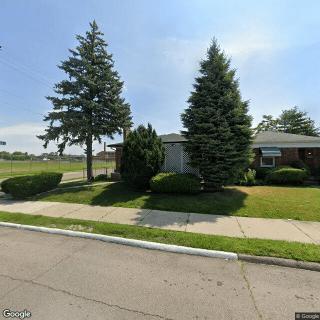
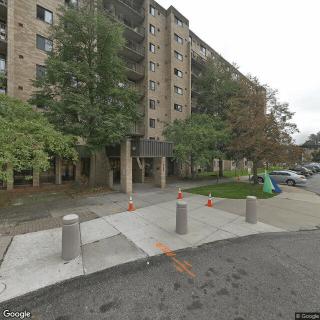
19272 Norwood St, Detroit, MI 48234
To contact a resident: (313) 369-9554
For more information about senior living options: (866) 208-4318
Pam's Carehome Costs & Pricing
Pam's Carehome offers private rooms at a monthly cost of $4,700, which is notably higher than both the average rates in Wayne County and the broader state of Michigan. In Wayne County, the average monthly cost for similar accommodations is approximately $3,335, while across Michigan it stands at around $3,675. This pricing reflects not only the quality of care and personalized services provided at Pam's Carehome but also its commitment to maintaining a nurturing environment that prioritizes residents' comfort and well-being. While the costs are above local and state averages, many families may find that the additional investment correlates with enhanced care standards and amenities that contribute positively to their loved ones' experience.
| Floor plans | Pam's Carehome | Wayne County | Michigan |
|---|---|---|---|
| Private | $4,700 | $3,335 | $3,674 |
Senior living communities with a similar price nearby
-
About the same

Homewatch Caregivers
$4,595 to $9,095 / month20.0 miles away -
from +$300 / mo
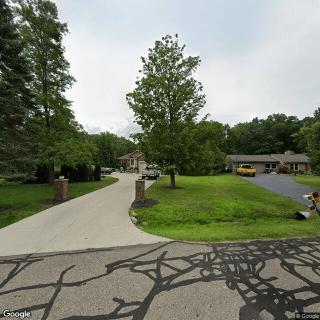
Greencastle Family Care
$5,000 / month14.0 miles away -
from -$900 / mo

Silverbell Manor
$3,800 / month21.4 miles away -
from -$700 / mo
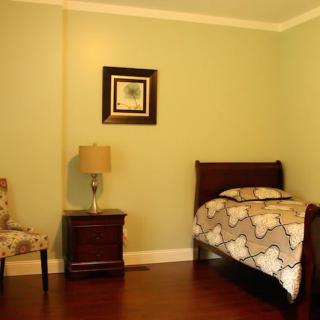
Oakland View Senior Living
$4,000 to $5,000 / month24.5 miles away -
from -$900 / mo
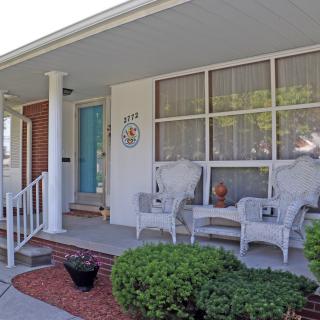
22nd Street Senior Care
$3,800 to $4,300 / month16.9 miles away
Overall Review of Pam's Carehome
Pros
 Gena and her staff are friendly, professional, and caring.
- The residents are treated like family, and the staff provide the best possible care.
- Ms. Payne is hands-on and very present with residents, who are cared for as if they were family.
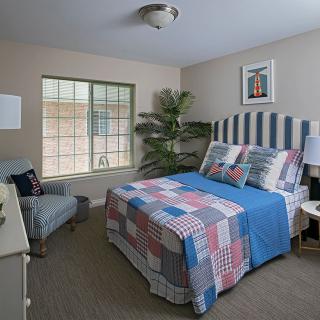
- The facility offers great food, an amazing atmosphere, and a clean, welcoming environment.
- The team provides professional and patient care in a positive setting.
- Visitors note that the staff are friendly and passionate about their work.
- Passion and Caring is a loving and caring facility where residents feel valued and well cared for.
- The home is professionally run and has had no COVID cases during the pandemic, with residents who are happy and content.
Review
Pam’s Carehome in Detroit is best suited for families seeking a small, home-like assisted living experience where leadership is visibly involved and care feels deeply personal. This community shines for residents who crave warmth, a “family” atmosphere, and consistently thoughtful attention from a hands-on owner and staff. The reviews portray an environment where residents are treated like family, meals are enjoyable, the space is clean, and staff convey genuine passion for their work. It is an ideal match for seniors who flourish in a close-knit setting, where daily routines feel familiar and staff know residents by name. Those who want a larger campus with expansive programming or highly clinical oversight will want alternatives.
The core strength lies in the people running the home. Gena Payne is repeatedly described as present, professional, and deeply invested in every resident’s wellbeing. The staff are praised as friendly, capable, and genuinely caring, delivering care with a personal touch that makes residents feel seen and valued. Families repeatedly note that the environment is positive and that care is consistently attentive, not rushed. The sense of belonging is palpable, residents are frequently described as part of an extended family, and the environment is noted for cleanliness and a “top-tier” feel for a home setting. That combination, leadership with hands-on involvement plus a compassionate, capable team, drives the strongest, recurring positive impression.
A notable pro is how well the human elements translate into everyday living: good food, a supportive social atmosphere, and a bright, respectful ambiance. Families repeatedly point to excellent meals and a warm, inviting mood that preserves dignity and independence where possible. The price point is described as fair or underpriced for the level of love and attentiveness provided, which matters to families balancing budget against quality of life. The consistency of care, coupled with a stable team and a resident-first approach, makes the daily experience feel predictable and secure. For many, these are the non-negotiables: reliable, compassionate caregivers who treat elders with dignity.
Yet, the home-style model naturally carries trade-offs when compared with larger, more clinical settings. The most significant consideration is scale: a smaller operation may offer limited on-site medical oversight, restricted on-going rehabilitation programming, and fewer structured daily activities than bigger communities. While staff are praised for quality and attentiveness, families should recognize that dependence on a single owner-led model can imply slower access to more specialized therapies or 24/7 nursing coverage. In short, the strengths of a familial, intimate environment can come with a higher degree of reliance on a smaller team to meet medical and crisis needs.
This means certain residents may want alternatives. Families prioritizing robust memory care programming, extensive on-site therapy options, comprehensive skilled nursing, or a broad menu of structured daily activities might prefer a larger facility with more resources. Those seeking a campus with diverse social programming, universal supervision, or more formalized clinical oversight could find a more traditional assisted living or a memory-care-focused community better aligned with expectations. The standout warmth and personal investment at Pam’s Carehome offset these gaps for many, but the trade-offs should be weighed against individual medical needs and desired level of program complexity.
For families deciding, a practical approach makes sense: visit and observe interaction patterns, speak with the owner about staffing ratios and emergency procedures, and scrutinize how care plans are developed and updated. Ask about medication management, access to physicians or specialists, meal planning, and how activities are adapted to each resident’s abilities. Confirm costs, what is bundled, and whether additional services are required as care needs evolve. When warmth, vigilance, and hands-on leadership are the top criteria, Pam’s Carehome delivers an experience that feels uniquely dependable and humane. For those seeking that exact combination in Detroit, this community stands out as a compelling, practical choice.
 Board and Care Home
 Detroit Metropolitan-Wayne County (21 miles away)

 Top Canine Companions for Older Adults
 Comprehensive Guide to Blood Pressure Charts for Older Adults: Understanding Normal and High Readings by Age
 Financing Long-Term Nursing Home Care Through Social Security: A Thorough Exploration