
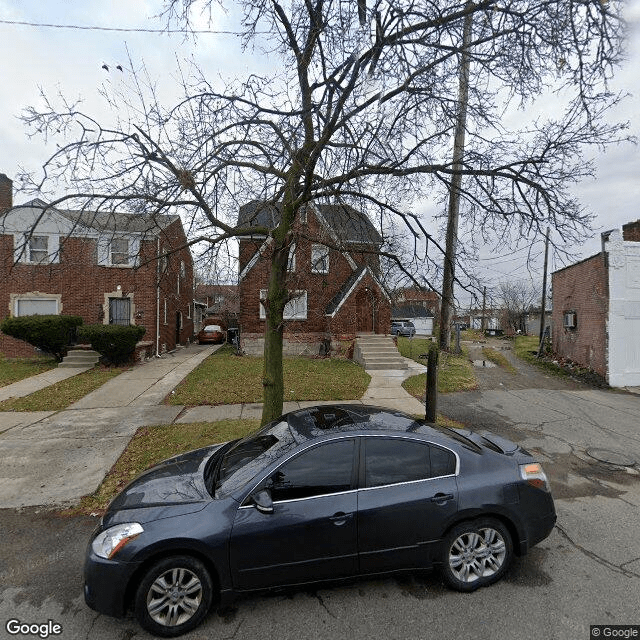
14626 Mansfield, Detroit, MI 48227
To contact a resident: (313) 270-4290
For more information about senior living options: (866) 208-4318
Hope House Costs & Pricing
Hope House offers a highly competitive pricing structure for its private rooms, charging just $800 per month. This rate stands in stark contrast to the broader market in Wayne County, where similar accommodations average around $3,335 monthly. Furthermore, when considering statewide rates across Michigan, which can reach up to $3,675 for comparable private room options, it becomes clear that Hope House provides an affordable alternative without compromising on quality. This significant cost difference underscores Hope House's commitment to making supportive housing accessible while alleviating financial burdens for individuals seeking care within the community.
| Floor plans | Hope House | Wayne County | Michigan |
|---|---|---|---|
| Private | $800 | $3,335 | $3,674 |
Senior living communities with a similar price nearby
-
from +$50 / mo
Loving Care Home #1
$850 to $1,000 / month3.8 miles away -
About the same
Affectionate Care 1
$800 / month14.7 miles away -
from +$50 / mo
Loving Care Home #3
$850 to $1,000 / month3.8 miles away -
from +$100 / mo
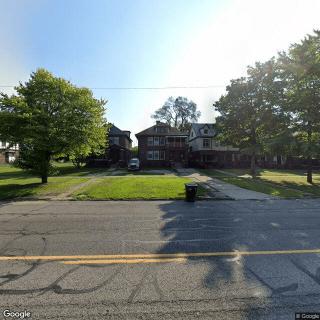
King Special Care
$900 to $2,500 / month10.5 miles away -
About the same

Royal Universal Boarding Facility
$800 / month13.4 miles away
Overall Review of Hope House
Pros
 The reviewer would lean toward this program because its location, transportation, and 3-day-per-week outing schedule sound perfect.
- The location, transportation, and 3-day-per-week outing program sound perfect.
- The reviewer is excited to convince their husband to join this program.
Review
Hope House in Detroit is best suited for active older adults who want a practical, location-forward option with reliable mobility support and a built-in social calendar. The strongest selling points drawn from the available perspectives are the community’s advantageous urban location and the dependable transportation that eliminates one more caregiving logistics for families. Equally compelling is a three-day-per-week outing program that keeps residents engaged with the broader community without demanding constant on-site activation. In short, this is a plan-friendly environment for someone who wants to stay connected, manage errands and appointments with help when needed, and maintain a steady cadence of meaningful activity close to home. It’s a setup geared toward sustained independence rather than intensive care needs.
Who should consider alternatives? If the priority is robust on-site medical oversight, strong memory-care support, or fully transparent pricing with predictable monthly costs, other communities should be compared. The three reviews available are uniformly glowing, but the small sample size and the absence of detailed information about care levels, staff ratios, or priced inclusions signal that more complete due diligence is warranted. For seniors who require around-the-clock nursing, complex medical management, or highly structured in-facility programming, Hope House may not deliver the depth of care or clarity that these scenarios demand. In those cases a facility with visible medical acuity and clearly stated rates deserves attention.
On balance, the location and transportation reach into offsetting these potential gaps. Proximity to family-friendly amenities reduces travel friction for visits, appointments, and errands, which in turn lowers stress for caregivers. The three-day-per-week outing program is not a token feature; it creates predictable social contact, reduces isolation, and gives residents a built-in reason to leave the building without depending on private transport arrangements. That structure is particularly valuable for seniors who thrive on activity but prefer not to be locked into a rigid, full-day schedule every day. In aggregate, these advantages translate into a practical workflow that keeps daily life manageable and purposeful.
However, the absence of explicit detail about daily indoor activity breadth and care intensity means families should probe when visiting. Questions about staffing levels during evenings and weekends, availability of on-site clinical support, memory-care options, and meal quality are essential to determine if the three outings per week fully compensate for any quieter days inside. The positive emphasis on outings also suggests a community that cultivates social capital outside walls, which can offset some desire for diverse on-site programming. Yet for those who value a more dynamic daily routine without leaving campus, the case for broader programming becomes stronger and worthy of comparison.
Practical next steps: schedule a tour with a clear checklist. Confirm what levels of care are available now and what transitions are accommodated, ask for pricing that itemizes what outings, transport, meals, and care services cover, and request a sample weekly calendar to gauge how much variety exists beyond the three outings. Inquire about transportation specifics, Are rides scheduled around outings only, or is there flexible assistance for medical appointments? Verify safety measures, staff-to-resident ratios, and the process for updating family members about changes in care. Understanding these variables will reveal whether the reported weekly rhythm aligns with long-term care goals.
Bottom line: for families prioritizing proximity, easy access to services, and a reliable, social rhythm delivered through structured outings and transport, Hope House is a sensible, value-driven choice in Detroit. It excels where logistics and social engagement matter most. If instead the need centers on deeper medical oversight, memory care, or crystal-clear pricing with predictable budgeting, the field should be widened to alternatives that can deliver those essentials with equal clarity. In the balance, Hope House stands out as a practical, action-oriented option for preserving independence while staying connected to the community.
 Board and Care Home
 Private
 Respite or short term stays offered
 Detroit Metropolitan-Wayne County (15 miles away)
 Diabetic care
 Christian services



 Top Cars for Senior Drivers and Essential Safety Innovations
 A Closer Look at Private Pay Home Care
 Comprehensive Approaches for Arthritis: A Detailed Guide to Symptoms, Causes, and Care