
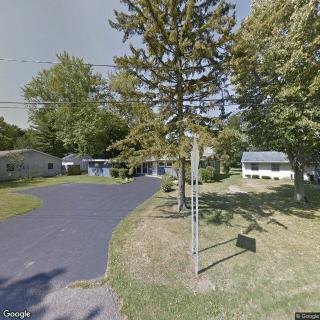
12445 Kingsbury Road, Delton, MI 49046
For more information about senior living options: (866) 208-4318
Overall Review of Boulter's Adult Foster Care
Pros
 They highly recommend the Boulter AFC Home for families seeking a group home.
 - Marylon is an excellent cook who also provides haircuts and toenail care.
- Mr. and Mrs. Boulter like everything homemade.
- Kim has college-level chef training.
- They provided a new mattress for residents.
- The staff and administration are very professional, helpful, and organize daily activities for residents; the staff are caring.
- The people there are nice.
Cons
 The closure of boulter afc home was sad.
- The home closed down, a disappointing outcome for residents.
Review
Best suited for families seeking a warm, intimate, small-group living arrangement, Boulter's Adult Foster Care offers a home-like rhythm, personalized attention, and neighborly support. It appeals to seniors who value home-cooked meals, on-site grooming services, and a hands-on, family-operated touch from the owners. The environment tends to be low-key, with daily life organized around familiar routines and personal interactions rather than institutional controls. Still, the most important caveat surfaced in the reviews: the home appears to have closed afterward, which means ongoing care in this exact setting is not available. That reality makes alternatives the prudent choice for families prioritizing stability and uninterrupted service.
Pros are tangible and meaningful. Marylon emerges as the culinary centerpiece, turning meals into a daily, comforting ritual; the cook’s expertise extends to haircuts and toenail care, augmenting dignity and convenience. The owners’ preference for handmade everything contributes to a comforting, homemade feel, reinforcing a sense of security and belonging. There is also mention of a new mattress, signaling attentiveness to resident comfort. Staff and administration are described as professional, helpful, and organized, with daily activities that keep residents engaged and socially connected. Taken together, these elements describe a setting where care feels personal, responsive, and thoughtfully tailored to individual routines.
The main con is not subtle: the reported closure of the home upends any current or future benefit from the positive attributes. Beyond the closure, the small, home-like model inherently carries some risk of limited resources and less predictability in emergencies compared with larger facilities. The reviews provide little detail on staffing ratios, medical support, or the availability of around-the-clock nursing, which are natural concerns for families evaluating long-term care. For residents with complex medical needs or those requiring constant supervision, this model may fall short even without the additional uncertainty of ownership changes.
Despite the challenges, the positives illustrate what this model can deliver when operating. The homey features and personal touches translate into a protective, dignified environment where meals, grooming, and daily routines happen under close, attentive oversight. When a similar operation remains open and well-staffed, those elements can offset some gaps present in more clinical environments, provided continuity and licensing are maintained. The homemade ethos and hands-on involvement of owners are not merely charming; they translate into responsive care and a sense of belonging that is hard to replicate in larger settings.
Who should explicitly consider alternatives? Families needing guaranteed continuity and ongoing operation should look to other licensed options that remain active and financially stable. This includes licensed small AFC homes or traditional assisted living communities that guarantee occupancy, provide clear nursing coverage, and maintain consistent staffing. For families who value a home-like culture but require more predictable medical support or a broader activity program, larger communities with established programs may be a better fit. In all cases, prioritize options with transparent licensing, documented staffing ratios, and clear plans for emergencies and medical needs.
The practical takeaway is clear: if stability and ongoing operation matter most, pursue options that are currently operating under licensed management. Use the Boulter’s model as a yardstick for the kind of intimate, person-centered care many families want in a small setting, but verify that any prospective home shares that same spirit while offering guaranteed continuity. In evaluating alternatives, focus on care alignment with health needs, availability of on-site meals and grooming, structured daily activities, and a proven record of steady operation. Visit prospective communities with pointed questions about licensing history, ownership stability, and the practicality of service delivery, including meals prepared on-site, grooming services, and access to medical care. The decision should favor a community that combines warmth with unwavering capacity to serve over the long haul.
 6 resident community capacity
 Assisted Living
 Cable or satellite TV
 Dining room
 Fully furnished
 Garden
 Housekeeping services
 Move-in coordination
 Outdoor space
 Telephone
 Wi-Fi/high-speed internet available
 Kalamazoo County (19 miles away)
 24-hour supervision
 Activities of daily living assistance
 Assistance with bathing
 Assistance with dressing
 Assistance with transfers
 Diabetes diet
 Meal preparation and service
 Medication management
 Special dietary restrictions
 Transportation arrangement (medical)
 Transportation to doctors appointments


 How and When Medicaid May Cover Assisted Living Costs
 A Detailed Exploration of Assisted Living Medicaid Waivers Across the United States
 Comprehensive Residential Support and Assisted Living Solutions for Individuals with Disabilities