
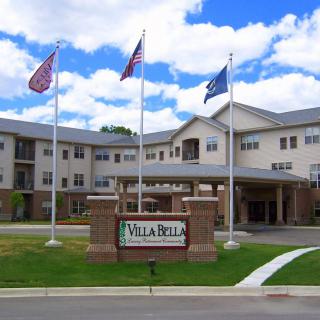
42200 Toddmark Lane, Clinton Twp, MI 48038
For more information about senior living options: (866) 208-4318
Overall Review of Progression Clinton III
Cons
 Progressions is by far the worst place to ever go.
- They have no sympathy or care for any of their residents.
- They say they care, but they really do not.
- They are just a biddable excuse for a company.
Review
This community is best suited for essentially no one who expects reliable, compassionate senior care. The two publicly visible reviews write in the same harsh terms, portraying Progression Clinton III as uncaring and inattentive to residents’ needs. With a rating of 1.5 stars and no positive qualifiers in the feedback, there is scant evidence of responsive staffing, proactive oversight, or truly person-centered routines. If a profile must be drawn, a narrowly defined worst-case scenario would apply: a resident who can endure minimal supervision, with a family willing to accept a substandard experience because no better option exists nearby or within budget. In practical terms, this is not a facility to rely on for anything beyond the most sparing level of daily care.
To the extent that alternatives exist, this is precisely where families should look elsewhere. Consider facilities in the same area with stronger reputations for resident-facing leadership, transparent operations, and more credible commitments to care. A prudent comparison includes direct conversations with administrators, unannounced tours, and a review of state licensing records and inspection reports. If an option presents itself with consistently higher resident satisfaction, a clear responsiveness track record, and staff who demonstrate warmth and attentiveness, that facility should be preferred. In short, progress should be measured against verifiable, favorable indicators rather than hopeful assurances.
There are virtually no documented pros that can meaningfully offset the drawn-out, explicit cons. The reviews do not reveal notable strengths, no mention of quality programming, well-staffed shifts, or engaged, attentive aides. Any supposed advantages, if they exist, such as lower cost or convenient location, remain unsubstantiated by the available feedback. Because substantial, quality-driven care hinges on daily staff interaction, schedules, and dependable leadership, the lack of credible positives makes it virtually impossible to justify choosing this community on balance.
The core drawbacks are stark and actionable. The feedback centers on a pronounced lack of sympathy and genuine care, with residents described as receiving only a marginal, transactional level of attention. The phrase from one reviewer, that the operation feels like a “biddable excuse as a company”, points to systemic disengagement rather than isolated incidents. Such attitudes translate into slow responses to needs, inadequate monitoring of safety and well-being, and a disheartening sense of isolation for residents. If staff turnover is high or management is slow to address concerns, the risks compound: medication errors, unnoticed changes in condition, and missed opportunities to intervene before crises arise.
Decision-making should focus on verification and safeguards. Prospective families should request a live, candid rundown of staffing ratios by shift, the process for addressing complaints, and recent incident logs. Observe interactions during visits: are aides patient, respectful, and attentive, or hurried and detached? Ask to see readouts from recent state inspections and any corrective action plans. Speak with current residents and family members when possible to gauge consistency of care, responsiveness, and overall morale. Finally, check alternatives with similar price points but a stronger track record for reliability and dignity in daily life, then compare outcomes, not promises.
The bottom line is clear: progressions Clinton III does not meet the standard families rely on for elder care. Given the 1.5-star rating from two reviews and the strongly negative character of the feedback, seeking other options is the prudent course. If avoidance is impossible due to geography or budget, set explicit conditions, require demonstrable improvements before admission, and maintain a tight exit plan. In practice, the safest path is to prioritize facilities with verifiable staff engagement, transparent operations, and consistently positive, resident-centered outcomes. This facility’s red flags overwhelm any potential benefits, and the recommendation is to pursue stronger, more accountable choices first.
 6 resident community capacity
 Assisted Living
 Cable or satellite TV
 Dining room
 Fully furnished
 Garden
 Housekeeping services
 Move-in coordination
 Outdoor space
 Telephone
 Wi-Fi/high-speed internet available
 24-hour supervision
 Activities of daily living assistance
 Assistance with bathing
 Assistance with dressing
 Assistance with transfers
 Diabetes diet
 Meal preparation and service
 Medication management
 Special dietary restrictions
 Transportation arrangement (medical)
 Transportation to doctors appointments
 Comprehensive care with ADL support, medication management, and transportation, plus ample on-site amenities.



 Comprehensive Supportive Living Arrangements for Adults with Disabilities
 Funding and Affording Assisted Living: A Thorough Overview
 Assisted Living Expenses and Long-Term Care Insurance: A Comprehensive Exploration